Category
Policy news
Every policy story we've published, newest first.
- 32
- 16
- 20 August 2026
Every policy story we've published, newest first.
Mali's transitional parliament has approved a law creating a new state agency, OMASP, to regulate and secure the sale of gold and other precious minerals amid huge estimated smuggling losses.
Sibanye-Stillwater warned that the Minerals and Petroleum Resources Development Bill's lack of transitional provisions for past empowerment deals could complicate licensing at its R2.7bn Burnstone gold project.
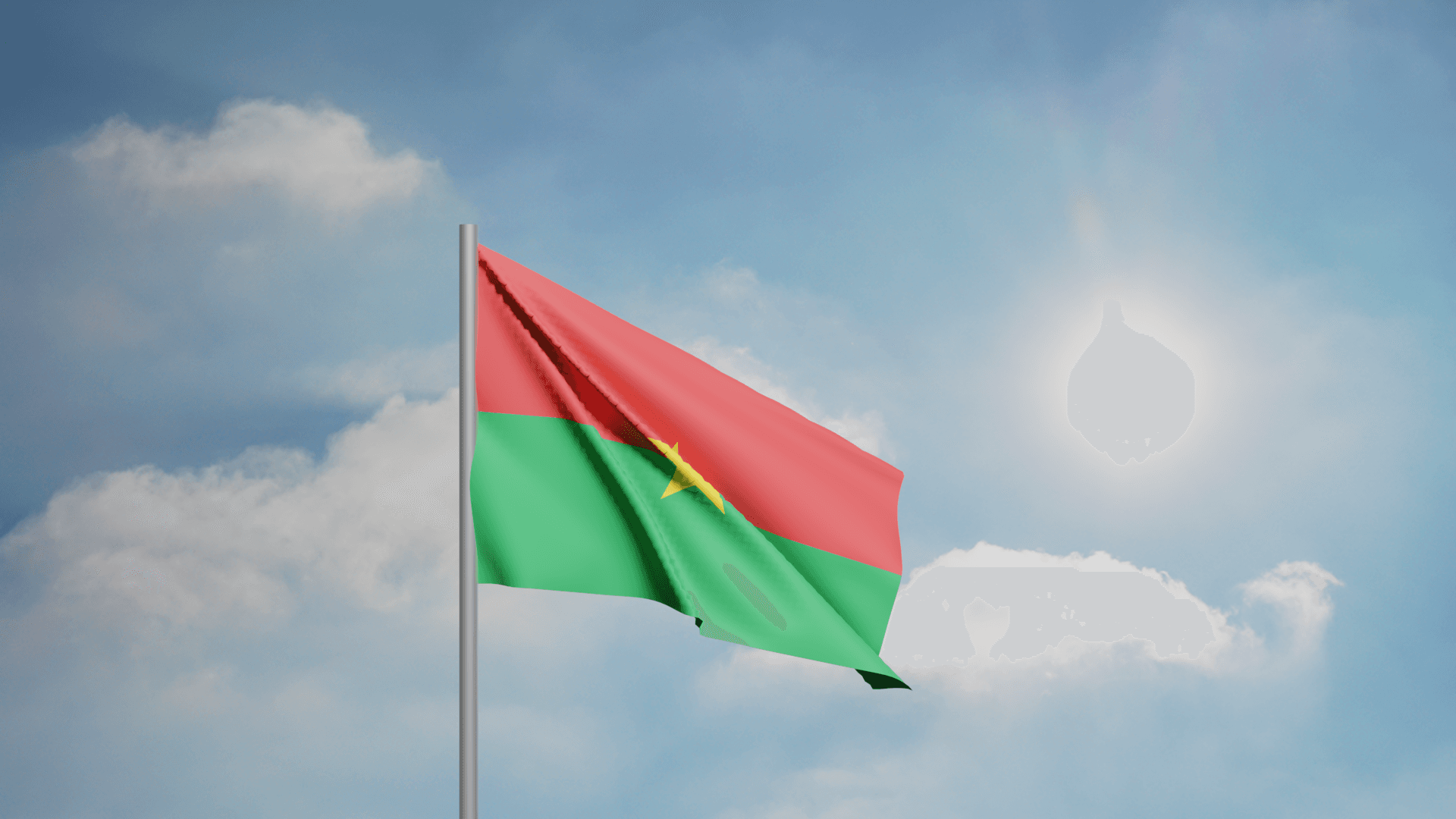
Burkina Faso's government has created a sovereign mining fund, Siniyan-Sigui, to channel surplus mineral revenue into industrial and infrastructure investment.
Guinea and Emirates Global Aluminium have settled an 18-month dispute over Guinea Alumina Corporation's bauxite licence, with Conakry paying a lump sum and taking over GAC's assets through a new state-backed company.
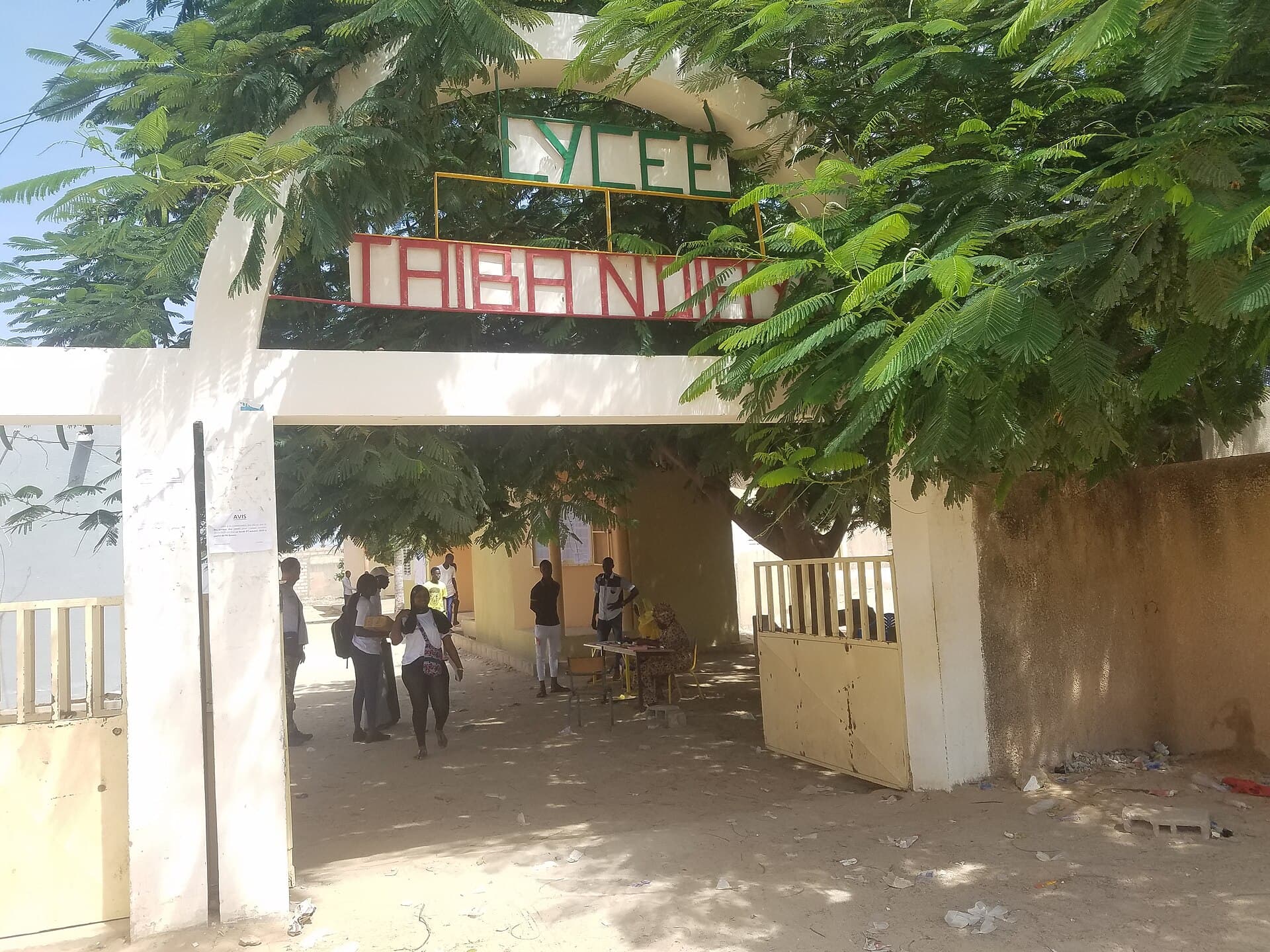
Senegal's government said it would take back the assets of phosphate producer ICS, ending Indorama Ventures' licence and alleging almost $1.88bn in lost state revenue over the concession's history.
South Africa's mineral resources portfolio committee received an update from the National Joint Operational and Intelligence Structure on measures to combat illegal mining, formalising a multi-agency policy response.
Mali's council of ministers has approved a new wholly state-owned company, Sopamim, to acquire and manage the government's shareholdings in mining companies.
Legal analysis of South Africa's draft mining law amendments found the bill's ministerial consent requirement for changes of control was so broadly worded it could apply to routine JSE share trades.
South Africa's Portfolio Committee on Mineral and Petroleum Resources received a briefing on the implementation of the new mining licensing system, formally tracking a project that has already slipped several deadlines.
Barrick Mining has agreed to pay Mali $430m to end a two-year row over the Loulo-Gounkoto gold complex, with Bamako dropping criminal charges and freeing detained staff.
The US Defense Logistics Agency cancelled a tender for up to 7,500 tonnes of cobalt worth as much as $500m, its first attempt to buy the metal since 1990, citing unresolved issues with the contract's terms.
The Democratic Republic of Congo formally lifted its cobalt export ban on 16 October 2025, moving to a quota system after eight months of suspension that had roiled global battery-metal markets.
The Junior Mining Exploration Fund grew to R1 billion after Anglo American added R600 million to government's R400 million, with applications opening on 30 September 2025.
An industry opinion piece published as the DRC's cobalt quota system took shape argued that South Africa's own critical minerals strategy should introduce a 'balanced export strategy' limiting unprocessed cobalt exports.
Congo's regulator announced on 22 September 2025 that cobalt exports would be capped at 96,600 tonnes a year in 2026 and 2027, with 18,125 tonnes permitted for the rest of 2025.
A legal analysis published in August 2025 argued that ARECOMS lacked the statutory authority under DRC's Mining Code to suspend cobalt exports, exposing the state to potential liability claims.
The Junior Mining Exploration Fund has allocated its first R120 million to six projects, but data show South Africa's exploration spending has collapsed even as the sector's economic footprint stays large.
Mali says it has completed the takeover of the Yatela and Morila gold mines, abandoned years ago by their foreign owners, as part of its drive to reclaim control of natural resources.
The Democratic Republic of Congo extended its cobalt export suspension for a further three months on 21 June 2025, saying stockpiles remained too high to justify reopening trade.
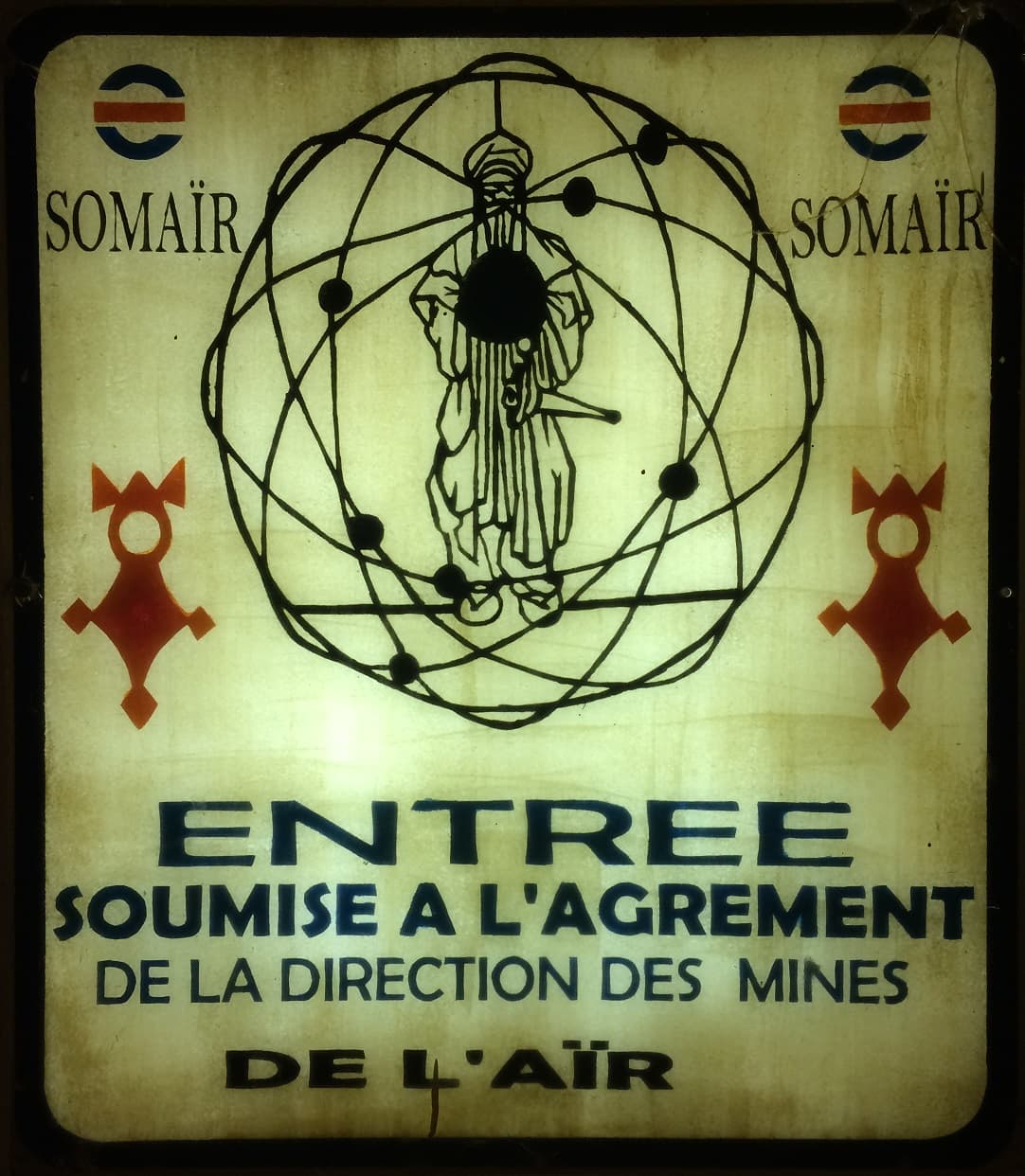
Niger's military government has announced the nationalisation of the Somaïr uranium mine run by France's Orano, accusing the firm of taking an outsized share of production since 1971.
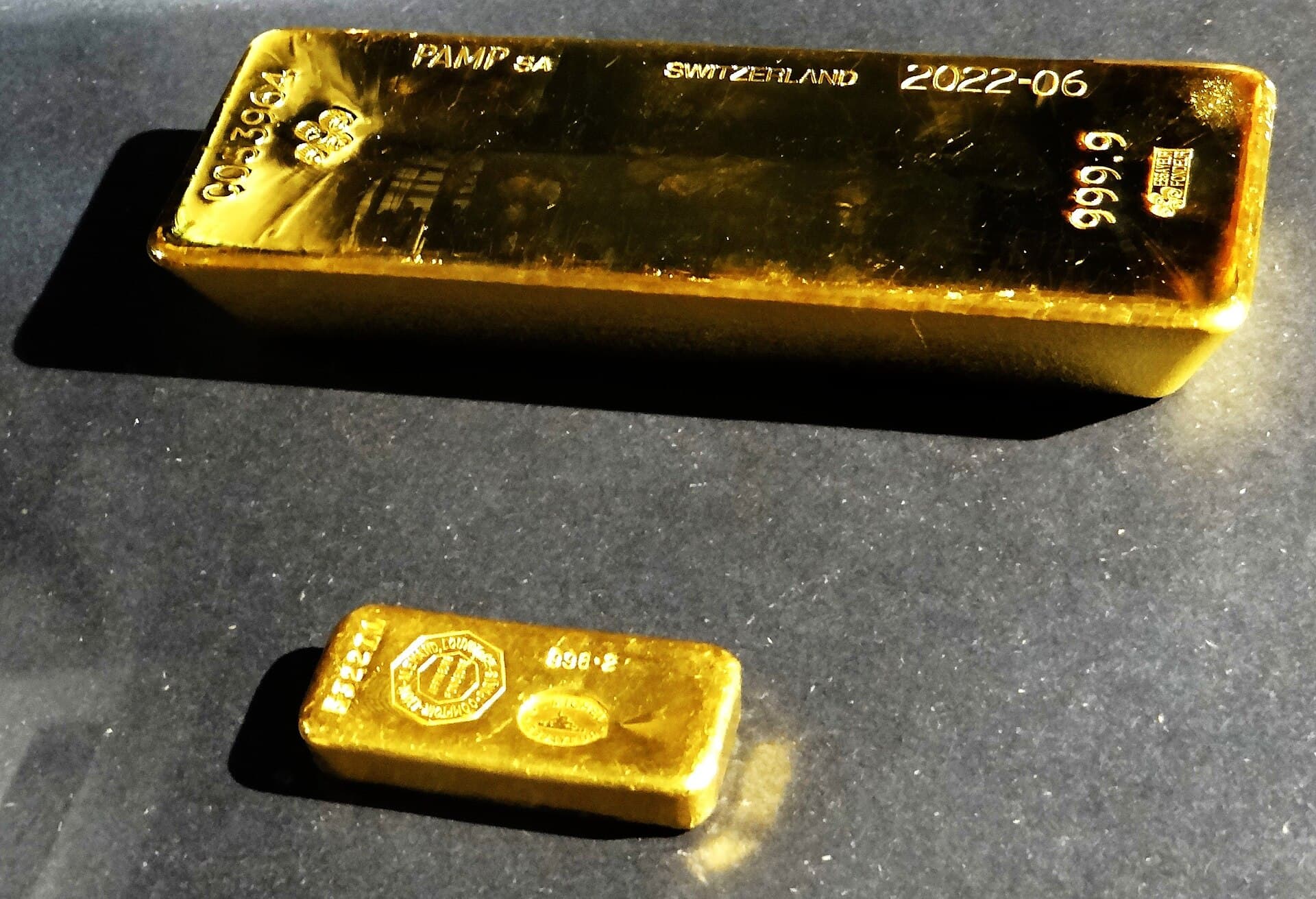
Mali has started construction of a state-controlled gold refinery built with Russia's Yadran Group, part of military leader Assimi Goita's push to keep more mining value at home.