Namibia leans on EU expertise to draft a critical minerals strategy
European consultants are helping Windhoek build a framework for uranium, lithium and rare earths as it balances Chinese and European interest
The European Commission commissioned European consultants in early 2026 to help Namibia draft a National Critical Raw Materials Strategy, building on a memorandum of understanding on sustainable raw materials and renewable hydrogen the two sides signed in 2022. The strategy is intended to establish a national framework covering exploration, mining competitiveness, local processing, skills development, ESG standards and strategic investment attraction.
Money behind the partnership
Through its Global Gateway initiative, the EU has mobilised roughly €1.3bn in loans and grants for Namibia and aims to leverage more than €20bn in private investment, describing the relationship as a "partnership of equals" centred on beneficiation and quality jobs rather than simple raw-material extraction. That framing is a deliberate contrast to historic patterns of African resource exports feeding processing industries entirely outside the continent.
Uranium, lithium and rare earths in focus
Namibia's strategy work is explicitly focused on the minerals at the centre of the global energy transition and electronics supply chains: uranium for nuclear power, lithium for batteries, and rare earth elements used in a wide range of high-technology and defence applications. With Rössing, Husab and Langer Heinrich already producing, and further uranium and lithium projects at various stages of development, Namibia has genuine scale in at least one of these categories already.
A hedge against putting all eggs in one geopolitical basket
The EU partnership sits alongside, rather than in place of, Namibia's deepening relationship with China, which has invested heavily in Husab through Swakop Uranium and remains central to financing new uranium capacity such as Bannerman's Etango project. By developing a formal critical minerals strategy with European technical support while continuing to court Chinese capital, Namibia is positioning itself to extract maximum benefit from competing global interest in its resources rather than committing exclusively to one bloc.
What happens next
The strategy's practical value will depend on how effectively Namibia can translate European technical assistance and financing pledges into concrete beneficiation projects, digitalised licensing and skills programmes, rather than a document that remains aspirational. Given the scale of both EU and Chinese interest in Namibia's minerals, the country's ability to negotiate favourable terms with both partners simultaneously will be an important test of its resource diplomacy.
Sources
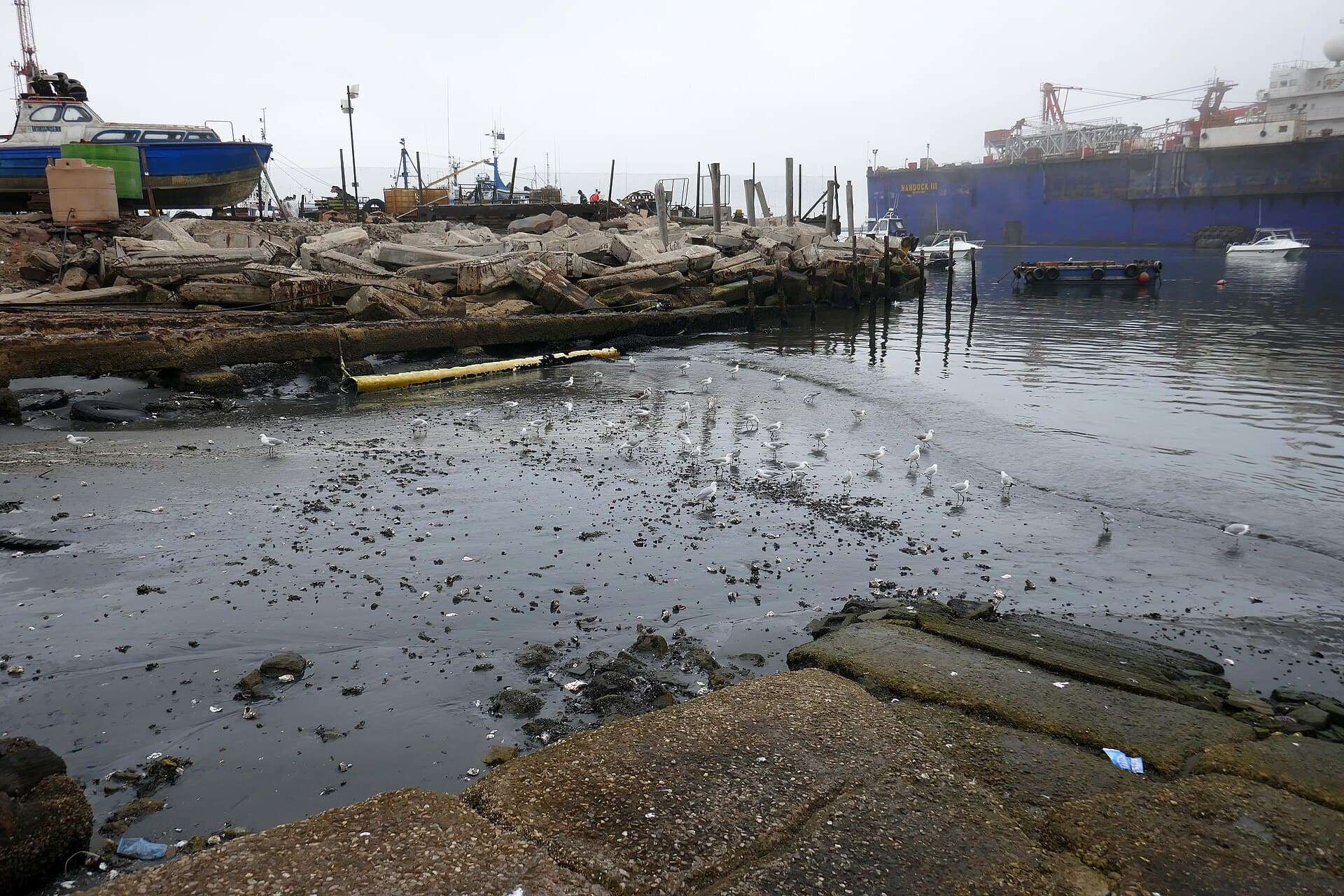
Photo: Walvis Bay port in Namibia, a key export route for the country's critical minerals. Ji-Elle, Wikimedia Commons, CC BY-SA 4.0.
Was this useful?
More from MiningWrap
The whole sector in one weekly read.
Deals, policy and markets — every Thursday.
Discussion
Loading comments…