Mining Bill uncertainty clouds Sibanye's R2.7bn Burnstone gold project
Silence on empowerment transitions in the new MPRDA amendments worries CEO Richard Stewart weeks before the project's formal go-ahead
Sibanye-Stillwater flagged regulatory risk to its planned R2.7bn Burnstone gold project on 23 June 2026, warning that the Minerals and Petroleum Resources Development Bill, gazetted in May 2025, does not contain express transitional provisions recognising previous empowerment transactions. Burnstone, near Balfour in Mpumalanga, had historically qualified as an empowered asset, and the bill's silence on how such deals are treated created uncertainty about licence-renewal requirements just as the company prepared to take a final investment decision.
A project worth waiting for
The numbers underpinning Burnstone were compelling: the project was expected to produce about 120,000oz of gold a year, with a post-tax net present value of R19bn at a 10% discount rate and an internal rate of return of 36%. Chief executive Richard Stewart used the regulatory uncertainty to make a broader point about investment conditions in South Africa, saying: "When we're asked about examples of where regulatory certainty matters, in terms of driving growth in South Africa, here's a project that's going to employ 3,000 people for 20 years."
Rumours of licensing changes
Stewart said there were "a lot of rumours around what might come out in terms of renewals of new mining licences," reflecting broader industry anxiety about how the mining bill would treat existing empowerment credentials once it became law. Burnstone's restart, using existing vertical and decline shafts and surface infrastructure, was projected to begin construction in 2027 with first production targeted around 2029.
Resolved within months
The uncertainty proved short-lived: Sibanye's board formally approved the Burnstone restart alongside its Mount Lyell copper project in Australia at the start of September 2026, suggesting the regulatory concerns raised in June were either resolved or judged manageable by the time of the final investment decision. The episode nonetheless illustrated how sensitive even well-advanced South African gold projects remain to shifts in mining policy.
Sources
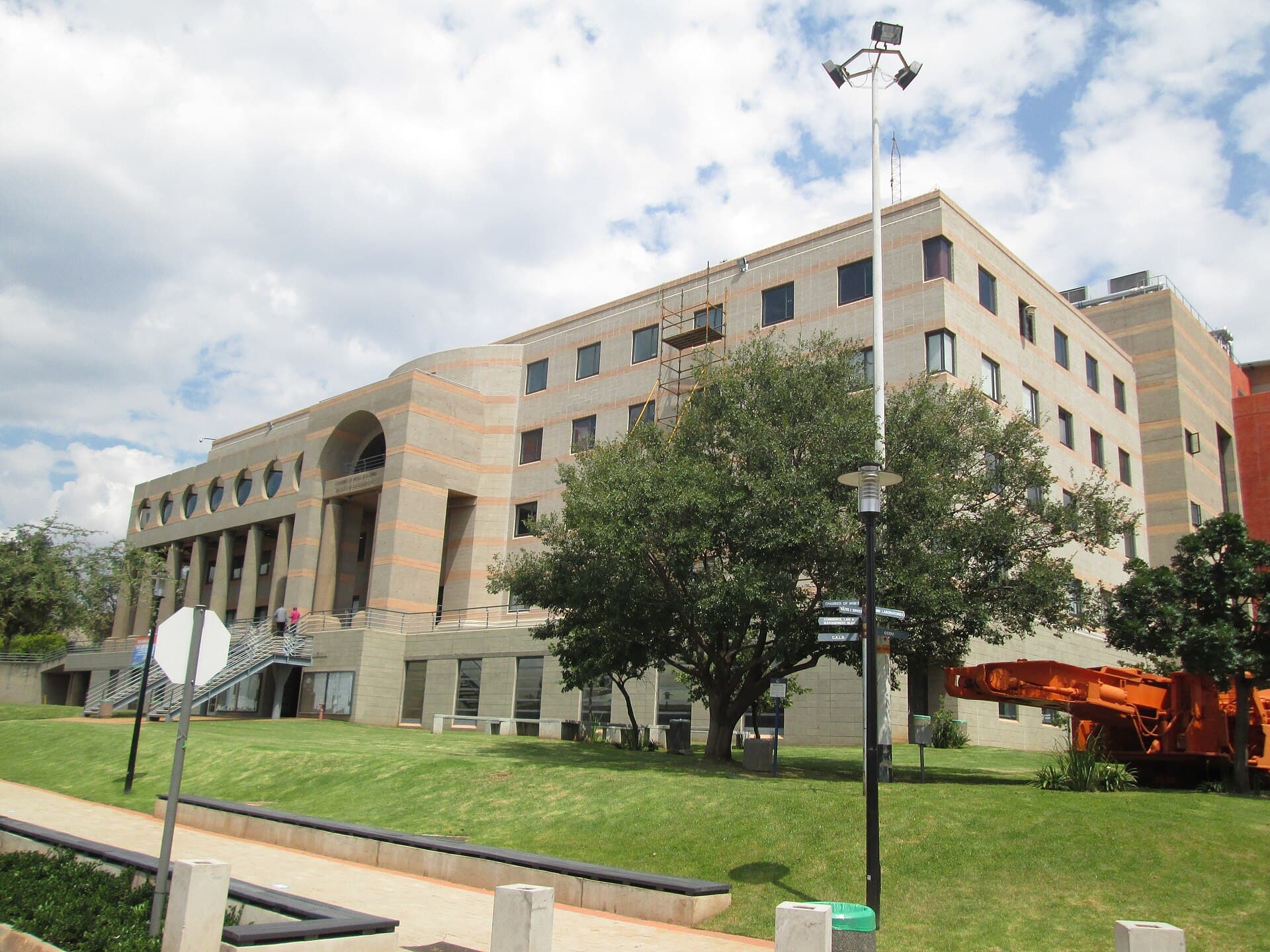
Photo: The Chamber of Mines building in Johannesburg, a symbol of South African mining industry regulation. Heather Elke, Wikimedia Commons, CC BY-SA 4.0.
Was this useful?
More from MiningWrap

The whole sector in one weekly read.
Deals, policy and markets — every Thursday.
Discussion
Loading comments…