Senegal moves to seize control of phosphate giant ICS from Indorama
PM Sonko alleges nearly $1.88bn in lost revenue as Dakar's resource sovereignty drive reaches its biggest fertiliser producer
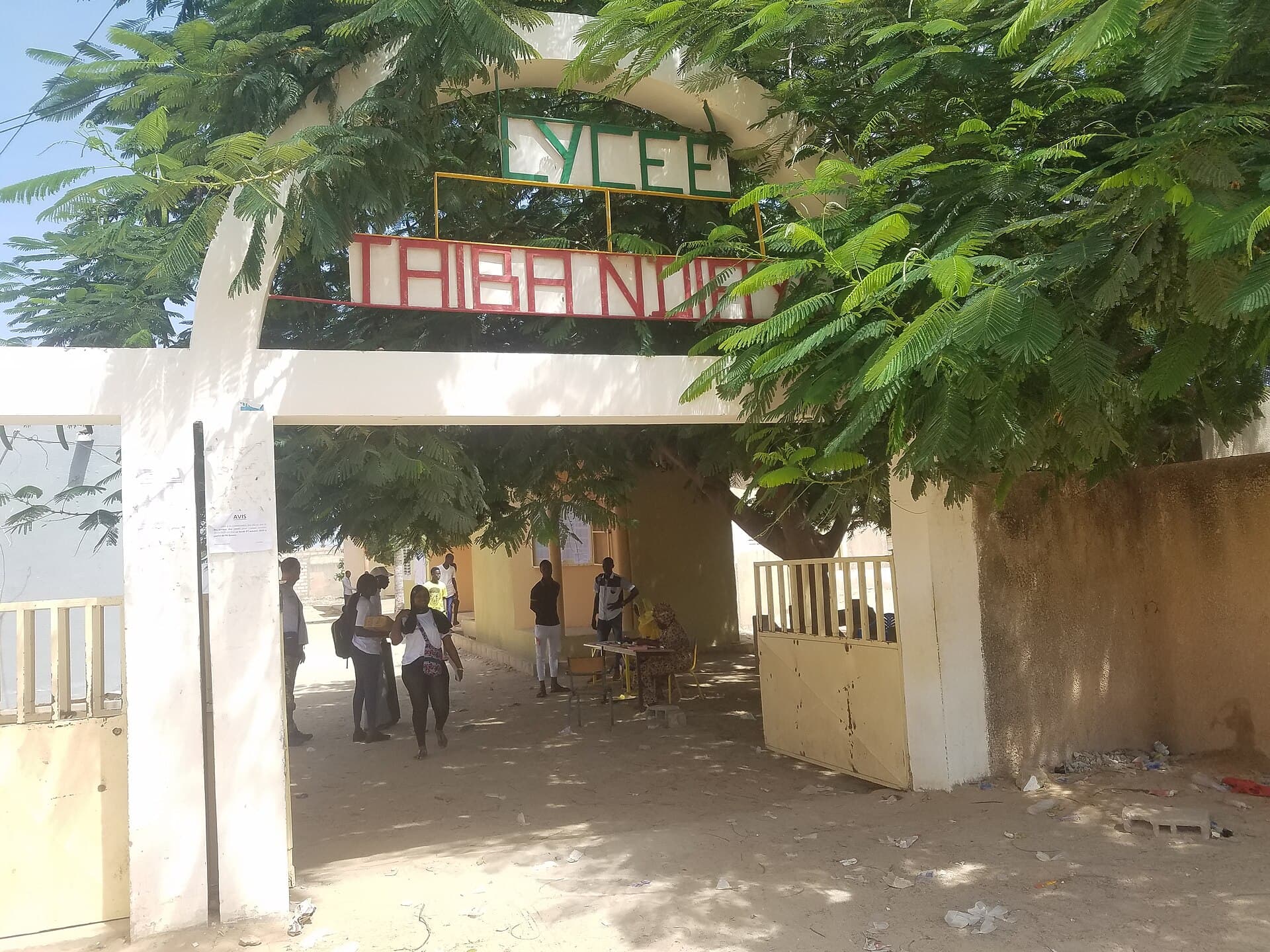
Senegal's government announced on 13 March 2026 that it would take back all the assets of Industries Chimiques du Sénégal, one of Africa's largest phosphate and fertiliser producers, ending the licence held by Asian conglomerate Indorama Ventures. Prime Minister Ousmane Sonko said the move followed the discovery of "major irregularities" in how ICS had been run.
A steep price tag alleged
Sonko said the Senegalese state had been "short-changed... throughout the entire time" Indorama controlled ICS, putting the cumulative loss of revenue at nearly 1,076-billion CFA francs, or about $1.88bn. Among the alleged breaches, he cited non-payment of taxes and duties, undue tax and customs benefits, and exemptions granted without legal basis.
Part of a wider sovereignty push
The ICS move forms part of a broader review of extractive-sector contracts launched after President Bassirou Diomaye Faye took office, an election pledge by the ruling PASTEF party to secure greater benefit for Senegal's population from its natural resources. In the same push, Sonko announced the termination of petroleum concessions over several offshore blocks and the withdrawal of more than 70 mining licences, including 14 gold permits, from operators judged to have failed their contractual obligations.
Why ICS matters
ICS is one of West Africa's largest phosphate and fertiliser producers, and its output is central to Senegal's mining export earnings and to regional fertiliser supply. Reclaiming state control of an asset of that scale marks one of the most consequential resource-nationalism moves in West Africa since Niger's nationalisation of its Somaïr uranium mine, and signals that Senegal's new government is willing to act unilaterally against major foreign investors it believes have not honoured their obligations.
What happens next
Indorama has not been reported to have accepted the Senegalese government's findings, raising the prospect of international arbitration similar to disputes seen elsewhere in West Africa's mining sector. How Senegal manages ICS's operations and workforce during any transition will be an early test of whether the reclaimed asset can maintain production levels under new state oversight.
The case adds Senegal to a growing list of African governments — alongside Niger, Guinea and others — willing to unwind long-standing foreign mining and processing agreements they judge to have shortchanged the state.
Sources
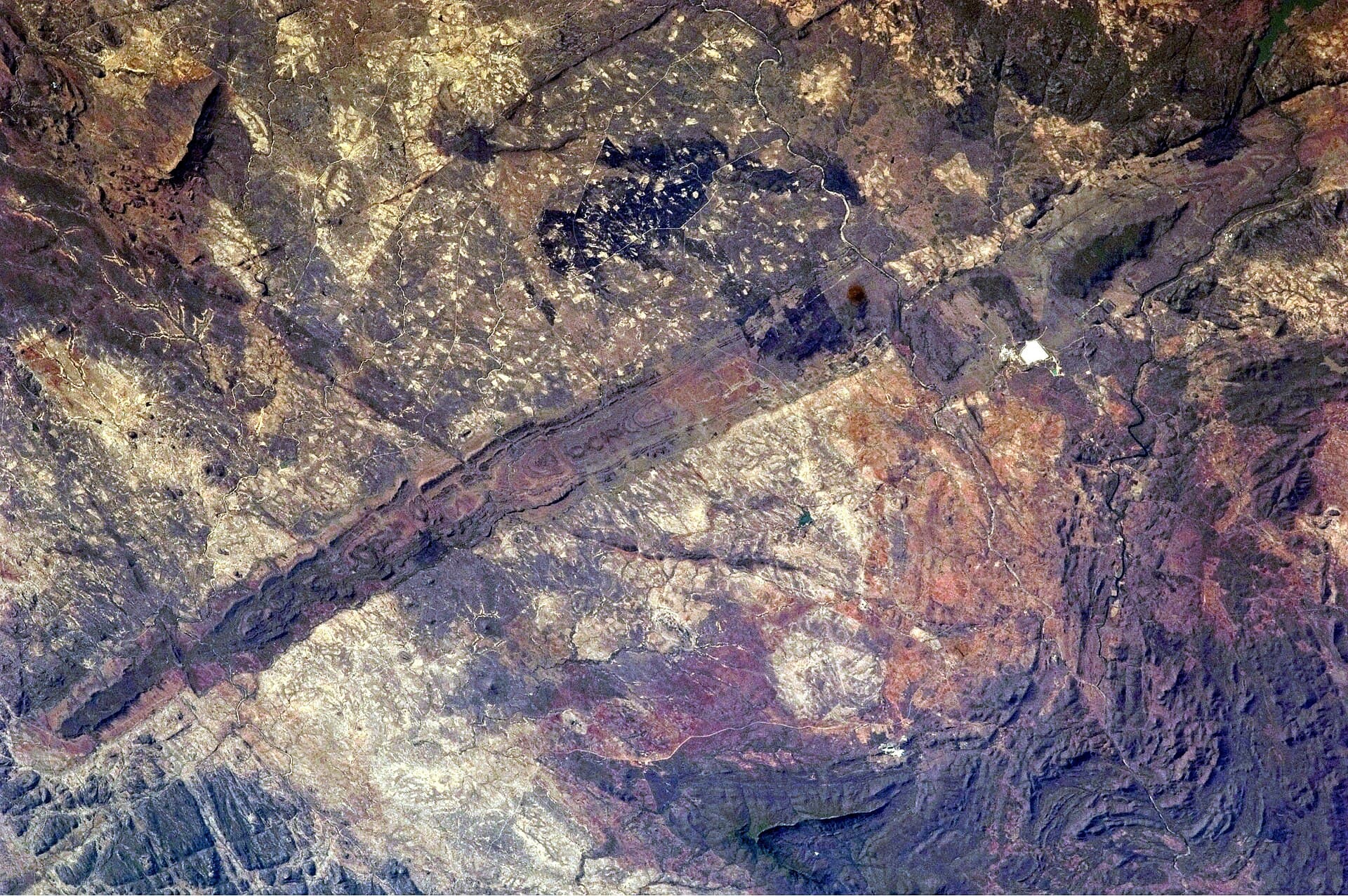
Photo: Taïba Ndiaye in Senegal, a town in the country's phosphate mining region. Boydiop2, Wikimedia Commons, CC BY-SA 4.0.
Was this useful?
More from MiningWrap
The whole sector in one weekly read.
Deals, policy and markets — every Thursday.
Discussion
Loading comments…