SA's exploration spending collapse puts new junior mining fund to the test
Government-backed fund pays out its first grants as the country's share of Africa's exploration budget falls from 35% to 7%
The Junior Mining Exploration Fund (JMEF), a R400 million government-backed vehicle aimed at reviving South Africa's junior exploration sector, has allocated roughly R120 million to six projects, at an average of about R20 million each, marking its first real disbursements since launch.
The payouts land against a stark backdrop. South Africa once commanded around 35% of Africa's exploration budget; industry figures now put that share at about 7%, part of a longer collapse in exploration spending from $403 million in 2007 to $121 million in 2024, leaving the country with less than 1% of global exploration capital.
A large industry, a shrinking pipeline
Mining still accounts for 6.1% of South Africa's GDP, worth roughly R800.9 billion, and directly employs about 474,876 people, with each mining job estimated to support ten more elsewhere in the economy. But that scale sits on a shrinking exploration pipeline: without new discoveries, existing mines will eventually deplete with nothing lined up to replace them.
Industry voices place much of the blame on regulatory friction rather than geology. Former resources banker Paul Miller argued that “countries with fewer resources but better governance” are winning the investment that should be coming to South Africa, while Minerals Council chief executive Mzila Mthenjane said incentive gaps were leaving “investors sitting on the sidelines.” Fund manager Gervais Williams of Premier Miton struck a more optimistic note, arguing institutional interest in mining more broadly could strengthen markedly within three to seven years if the policy environment improves.
Old system, new bottlenecks
The outdated Samrad licensing system remains a persistent obstacle, blamed for delays and for creating openings for corruption in the allocation of prospecting rights. Its planned replacement, the new mining cadastre, has itself been repeatedly delayed, and a draft MPRDA amendment bill gazetted in May 2025 was seen by some as prioritising artisanal mining reform over the junior exploration sector's needs.
What happens next
Fund manager the Industrial Development Corporation was expected to allocate further JMEF grants as applications continued to be assessed, while the Minerals Council pressed government for complementary tax incentives, including a Canadian-style flow-through share scheme, to draw private risk capital back into exploration alongside the public money.
Sources
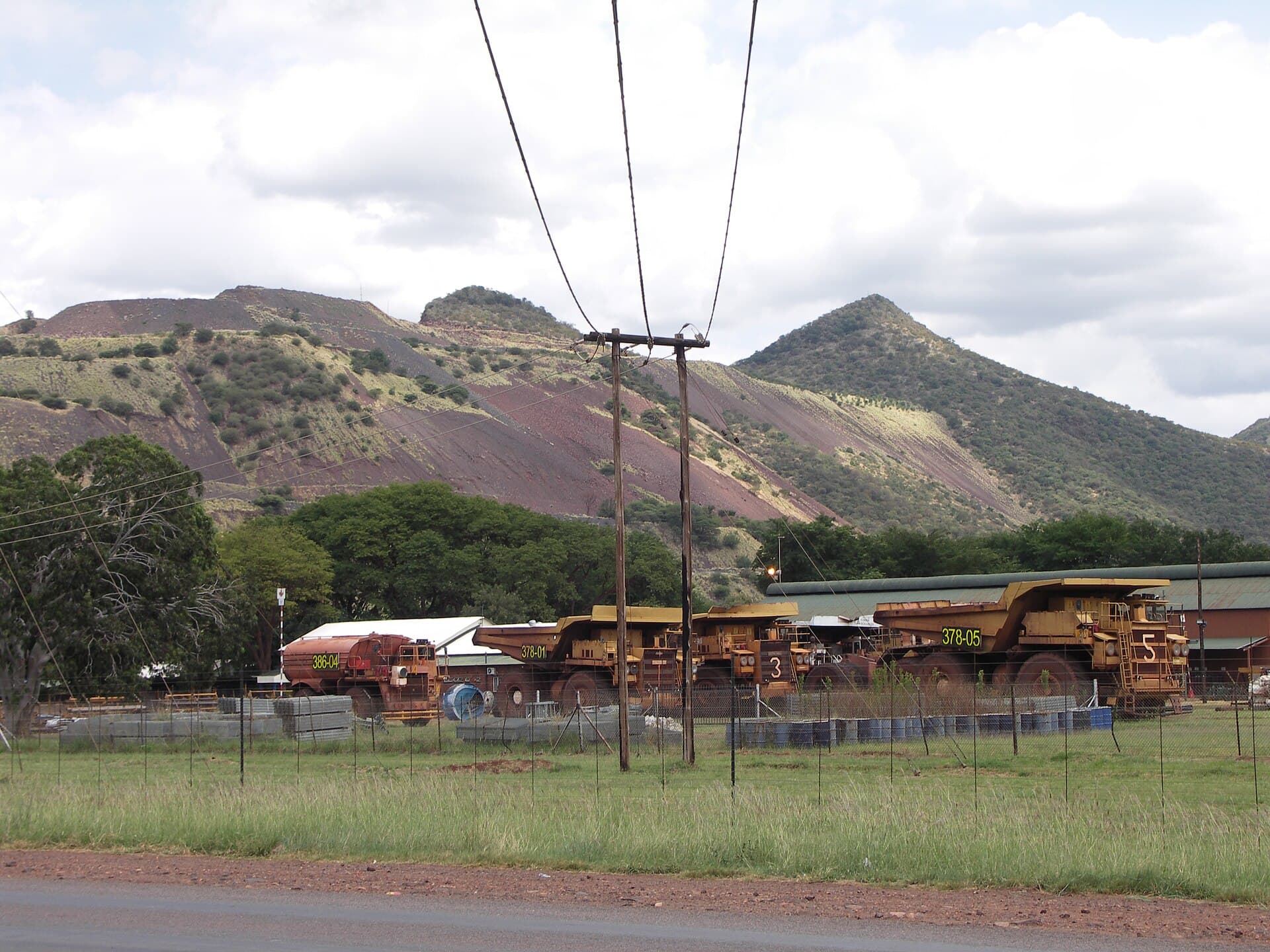
Photo: Iron ore mining operations at Thabazimbi, South Africa. NJR ZA, Wikimedia Commons, CC BY-SA 3.0.
Was this useful?
More from MiningWrap
The whole sector in one weekly read.
Deals, policy and markets — every Thursday.
Discussion
Loading comments…