Kumba holds 2026 guidance as rain, rand and freight squeeze half-year earnings
Interim dividend of R7.90 a share survives a 41% fall in headline earnings
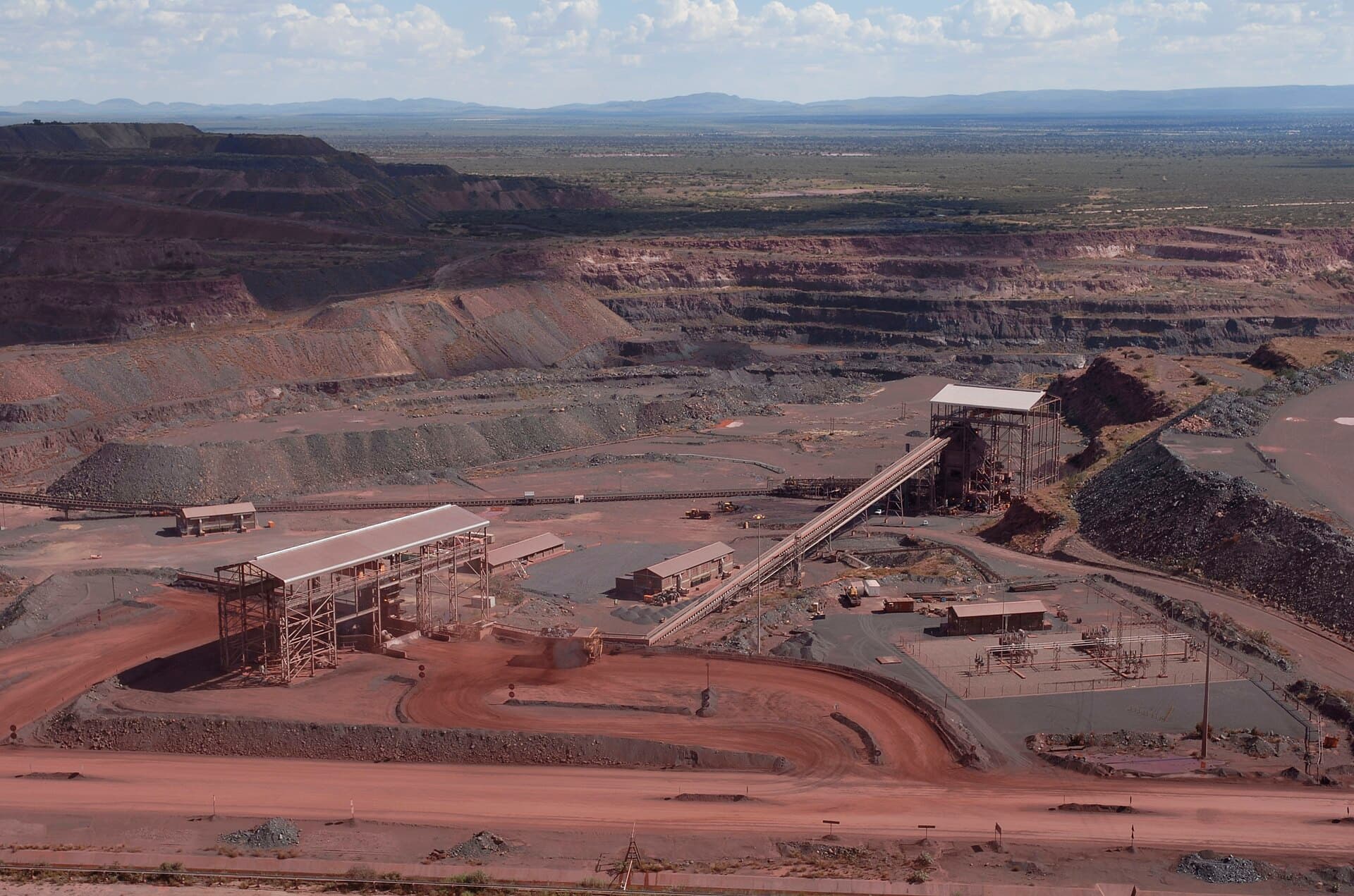
Kumba Iron Ore, the Anglo American-controlled producer that runs the Sishen and Kolomela mines in the Northern Cape, has left its 2026 guidance unchanged after a first half in which almost every external variable moved against it.
Results for the six months to 30 June, released on 28 July, showed headline earnings down 41% to R13.24 a share. EBITDA came in at R10.9bn at a 35% margin. The board still declared an interim dividend of R7.90 a share, about R2.5bn in total, equal to a 60% payout against a policy range of 50% to 75%. Net cash at period end stood at R12.1bn, and cash generated from operations was R10.1bn.
Weather, currency and shipping
Chief executive Mpumi Zikalala blamed what Miningmx reported her describing as "a challenging external environment and difficult operating conditions". Group output slipped 3% to 17.7 million tonnes. Kolomela bore the brunt: its production fell 16% year on year as the region recorded its heaviest rainfall since 1918, on top of a mine plan that already called for lower volumes.
The rand's strength against the dollar cut into rand revenue, while freight charges were 47% higher than a year earlier, a knock-on effect of the Middle East conflict on fuel and shipping. A ten-day Transnet maintenance shutdown in May also interrupted railings to Saldanha Bay. With lower volumes spread across a fixed cost base, the C1 unit cost rose 18% to $46 per wet metric tonne.
Kumba's average realised export price was $90 a tonne, 8% above the benchmark but below the $95 it achieved in 2025. Ebrahim Dadoo, Kumba's head of sales and marketing, told journalists the market fell back materially between May and June, which hurt the timing of the premium Kumba earns on its high-grade lump ore. On shipping, he said: "We still see freight rates remaining a little elevated."
A deliberately smaller year
The company expects to produce 31 to 33 million tonnes in 2026, down from 36.1 million tonnes last year, as Sishen's processing plant is tied in to the ultra-high dense media separation (UHDMS) technology. Sales of 35 to 37 million tonnes remain on track because Kumba will draw down finished stock, which fell by 0.5 million tonnes to 7 million tonnes during the half, 4.8 million tonnes of it at the mines. Output is expected to recover to 35 to 37 million tonnes in 2027.
UHDMS is an R11.2bn investment designed to reduce the strip ratio, raise yields and lower costs at Sishen over the rest of its life. Main plant tie-in work was scheduled to begin in August.
What to watch
Transnet has a second maintenance shutdown planned for the second half, and Kumba's ability to meet sales guidance while its own production is constrained depends on how smoothly that goes. The other swing factors are the rand and the iron ore price, which has been buffeted by the new supply from Guinea's Simandou project and by shifts in Chinese buying. For shareholders, the reassurance is that the balance sheet remained strong enough to keep paying dividends through a difficult half.
Sources
- Anglo American Kumba Iron Ore: Kumba Iron Ore's interim results for the six months ended 30 June 2026, 28 Jul 2026
- Miningmx: Kumba holds guidance despite costs, price pressure, 28 Jul 2026
- Miningmx: Worst rain in decades dampens Kumba Iron Ore earnings, 21 Jul 2026
Photo: The open pit at Sishen iron ore mine near Kathu in South Africa's Northern Cape. Graeme Williams, Media Club, Wikimedia Commons, CC BY-SA 2.0.
Was this useful?
More from MiningWrap

Grindrod lines up five growth projects to deepen southern African corridors
The whole sector in one weekly read.
Deals, policy and markets — every Thursday.
Discussion
Loading comments…