Transnet's rail recovery lifts coal and iron-ore exports to three-year high
Freight volumes climbed to 167.9 million tonnes in the year to March 2026, still short of the levels needed to satisfy miners
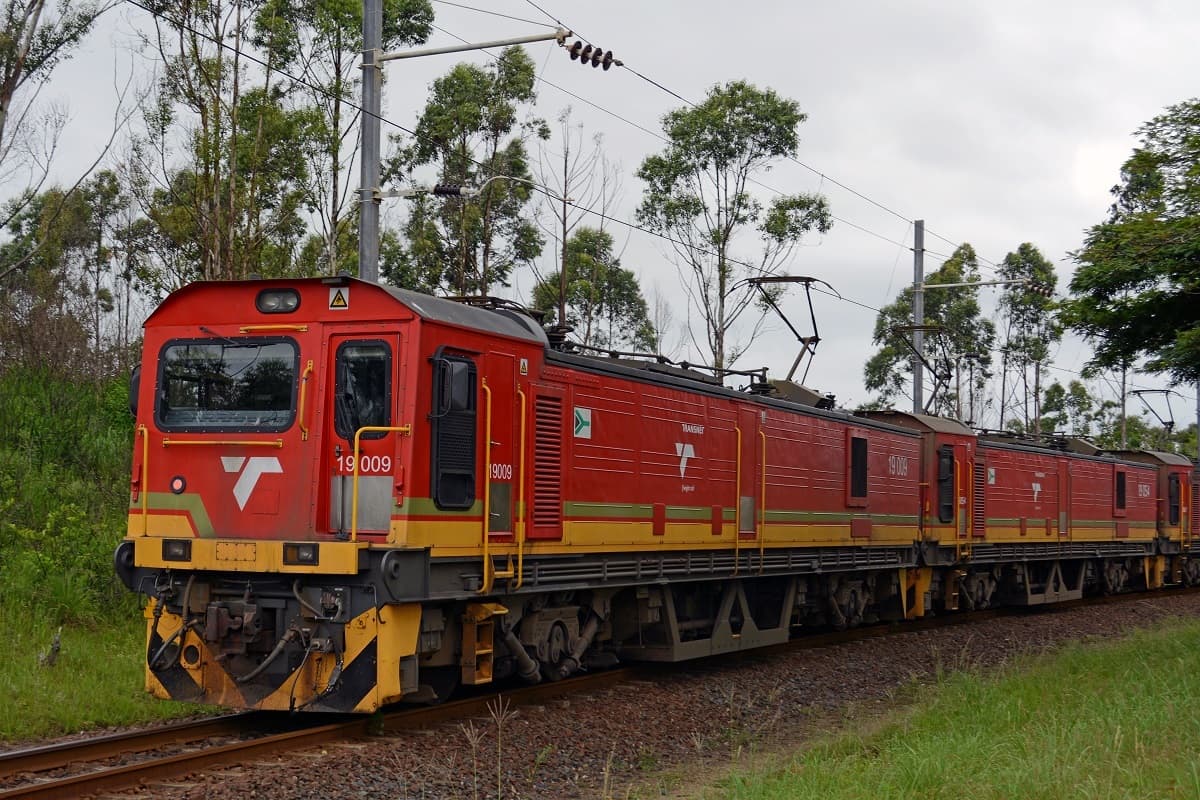
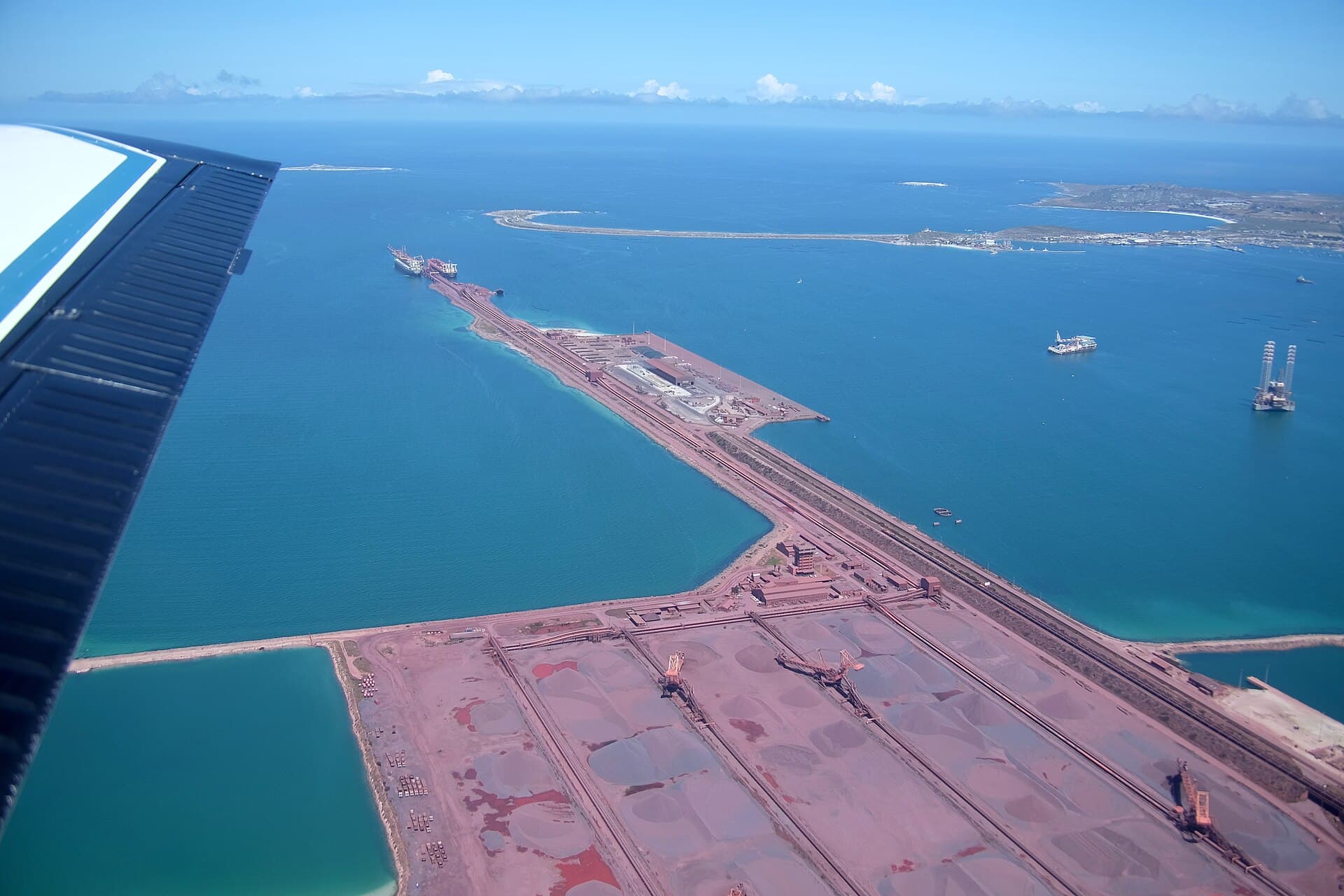
Transnet Freight Rail moved 167.9 million tonnes of freight in the year to end-March 2026, a 4.9% increase on the previous year and the third straight annual rise after volumes bottomed out at 149.5 million tonnes in 2023. Coal exports through Richards Bay rose to 58.5 million tonnes from 57.6 million tonnes, while iron-ore volumes to Saldanha climbed by roughly two million tonnes to 52.8 million tonnes.
The improvement reflects two years of work to fix locomotive availability, cut cable theft and rebuild maintenance backlogs on the coal and iron-ore corridors, after volumes collapsed to their lowest levels in decades earlier this decade. Transnet chief executive Michelle Phillips told reporters the state freight and ports operator is targeting 65 million tonnes of coal exports for the 2026-27 financial year, and wants total rail volumes above 180 million tonnes.
Still short of what miners want
"We are not going to get to the numbers that we want unless we exceed the 180 million ton number," Phillips said, underlining that even the improved figures remain below the roughly 220 million tonnes of annual freight capacity the coal, iron-ore, manganese and chrome lines were designed to carry. Coal volumes in particular "needs to get to 65 million tons", she said, a level last achieved before Transnet's rail performance crisis of the early 2020s.
Transnet is also chasing higher chrome, magnetite and manganese tonnages, all of which have been constrained by locomotive shortages and, in the case of manganese, by port capacity at Port Elizabeth. The recovery comes even as the state entity's finances remain strained, with borrowings of R150.7 billion and cash interest cover that has weakened to 1.5 times.
What it means for exporters
For coal and iron-ore producers, the rebound has already translated into fuller order books at Richards Bay Coal Terminal and Transnet's Saldanha terminal, both of which have separately reported double-digit percentage gains in throughput. Miners that spent years struggling to get contracted tonnages onto rail — and paying for road haulage as a costly workaround — are watching whether the recovery can be sustained once Transnet's new private train operators begin running services later in 2026.
The freight results also matter for the broader logistics reform under way at Transnet, which is opening its network to private operators partly to bridge the gap between current volumes and the tonnages the mining industry says it can supply if rail bottlenecks are removed. Whether Transnet can hit its own 180-million-tonne threshold, let alone the higher figures private operators are meant to unlock, will be the test of the reform through 2026 and 2027.
Sources
Photo: A South African Class 19E electric locomotive used on Transnet Freight Rail lines. SAR Connecta, Wikimedia Commons, CC BY-SA 3.0.
Was this useful?
More from MiningWrap
Grindrod lines up five growth projects to deepen southern African corridors
Transnet completes R4bn tippler upgrade at Saldanha iron-ore terminal
Transnet hands 11 private operators slots on freight rail network
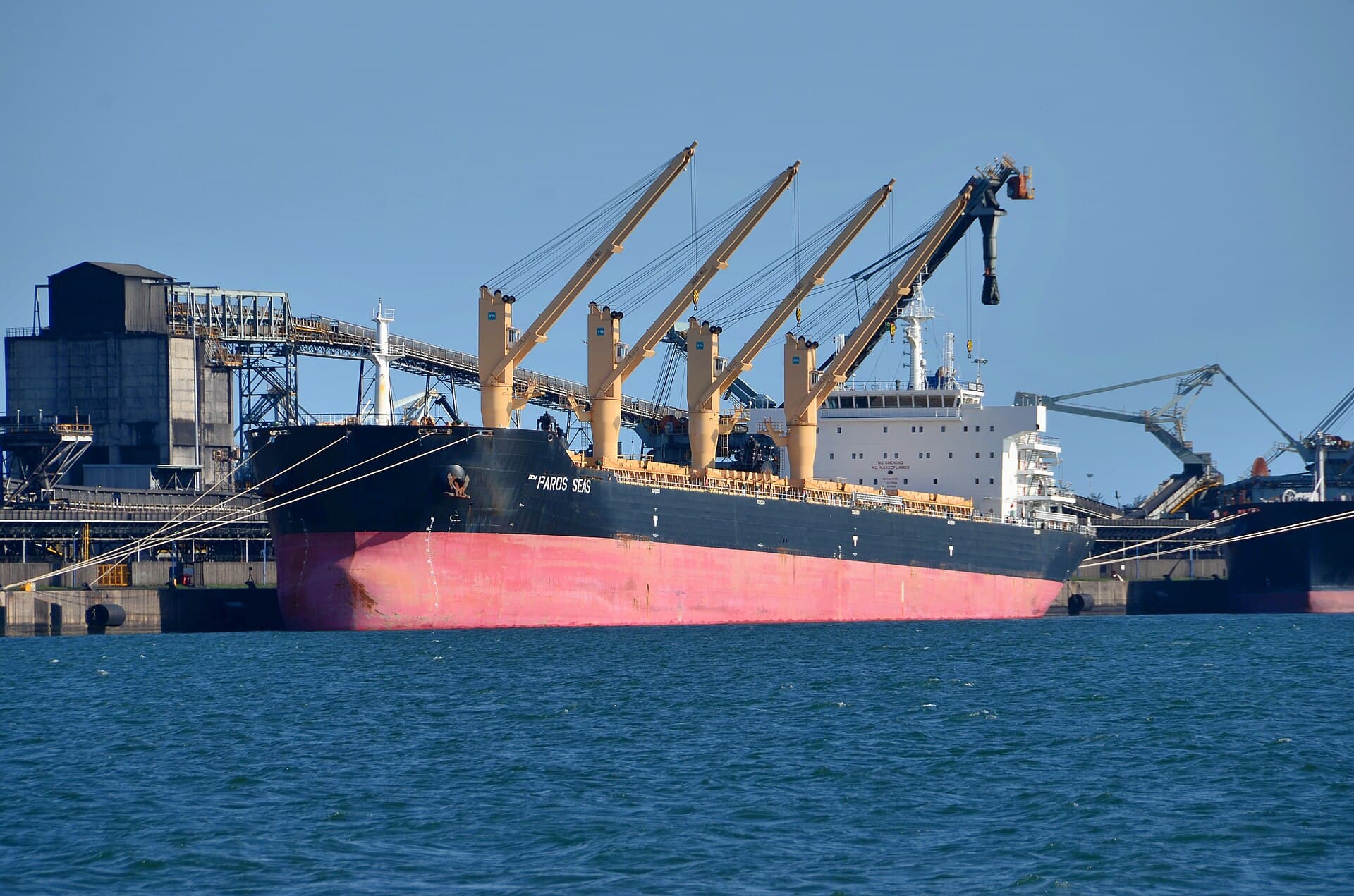
Richards Bay Coal Terminal exports jump above 10% as Transnet's turnaround pays off
The whole sector in one weekly read.
Deals, policy and markets — every Thursday.
Discussion
Loading comments…