DRC lifts planned copper sales to US fivefold to 500,000 tonnes
The DRC raised planned copper sales to the United States to 500,000 tonnes, a fivefold increase on its initial commitment, as Gécamines expands its independent trading operation.
The DRC raised planned copper sales to the United States to 500,000 tonnes, a fivefold increase on its initial commitment, as Gécamines expands its independent trading operation.
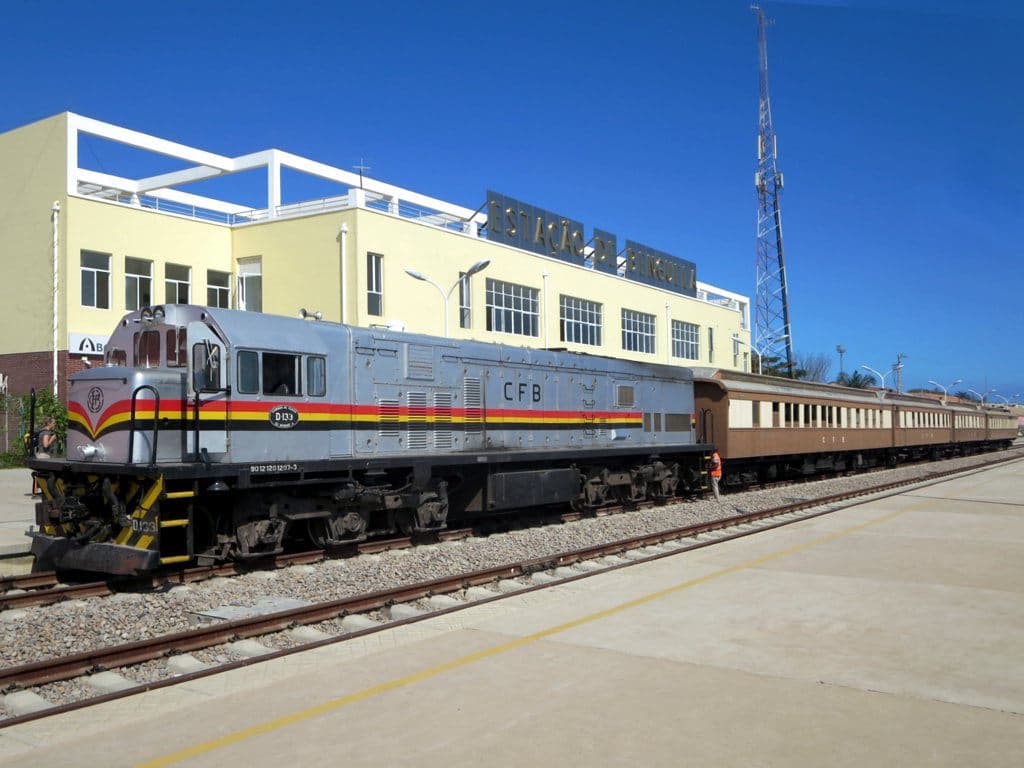
Flooding in western Angola suspended rail traffic on the Lobito Corridor, disrupting a key export route for copper and cobalt from the DRC to the Atlantic port of Lobito.
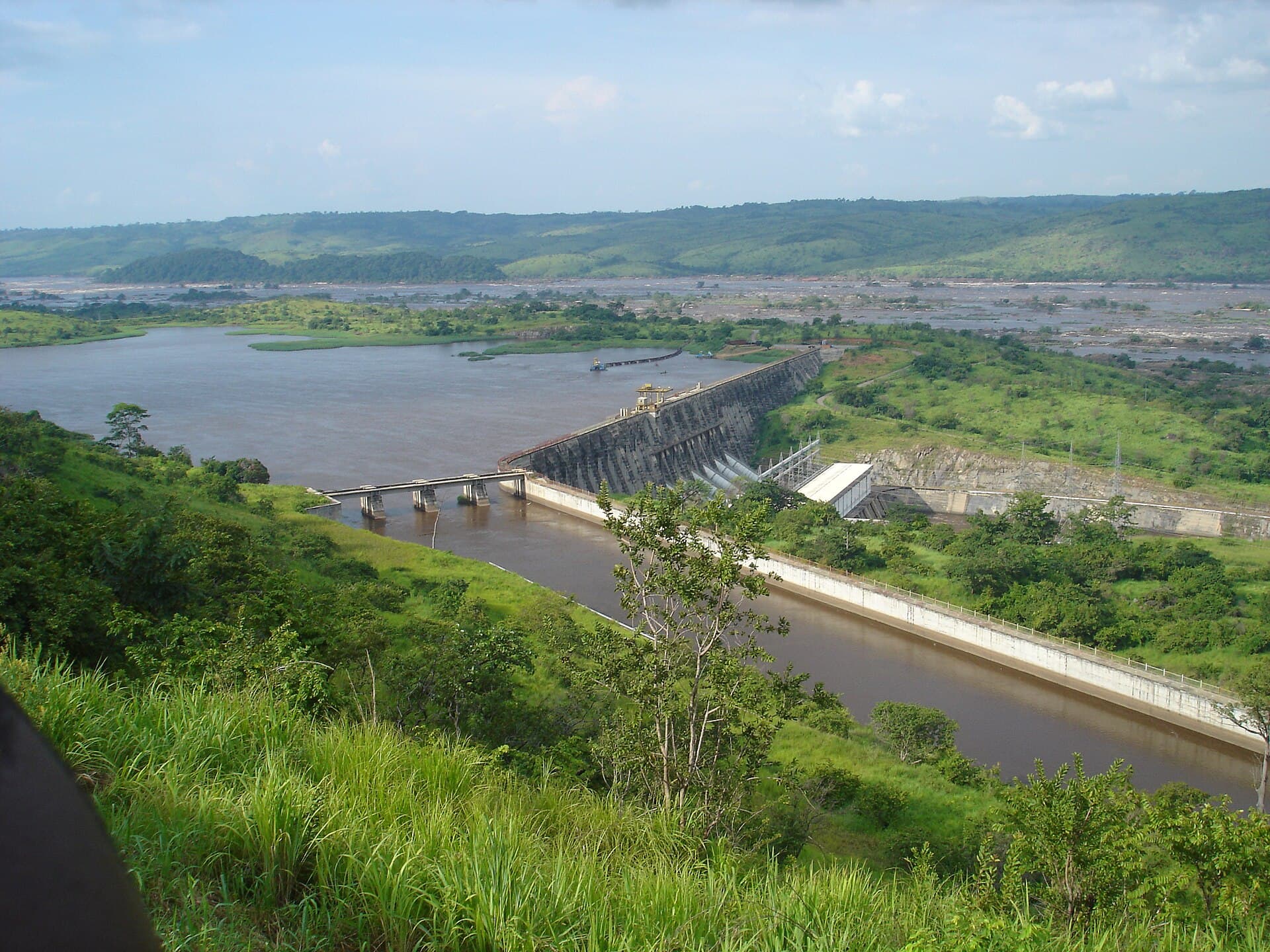
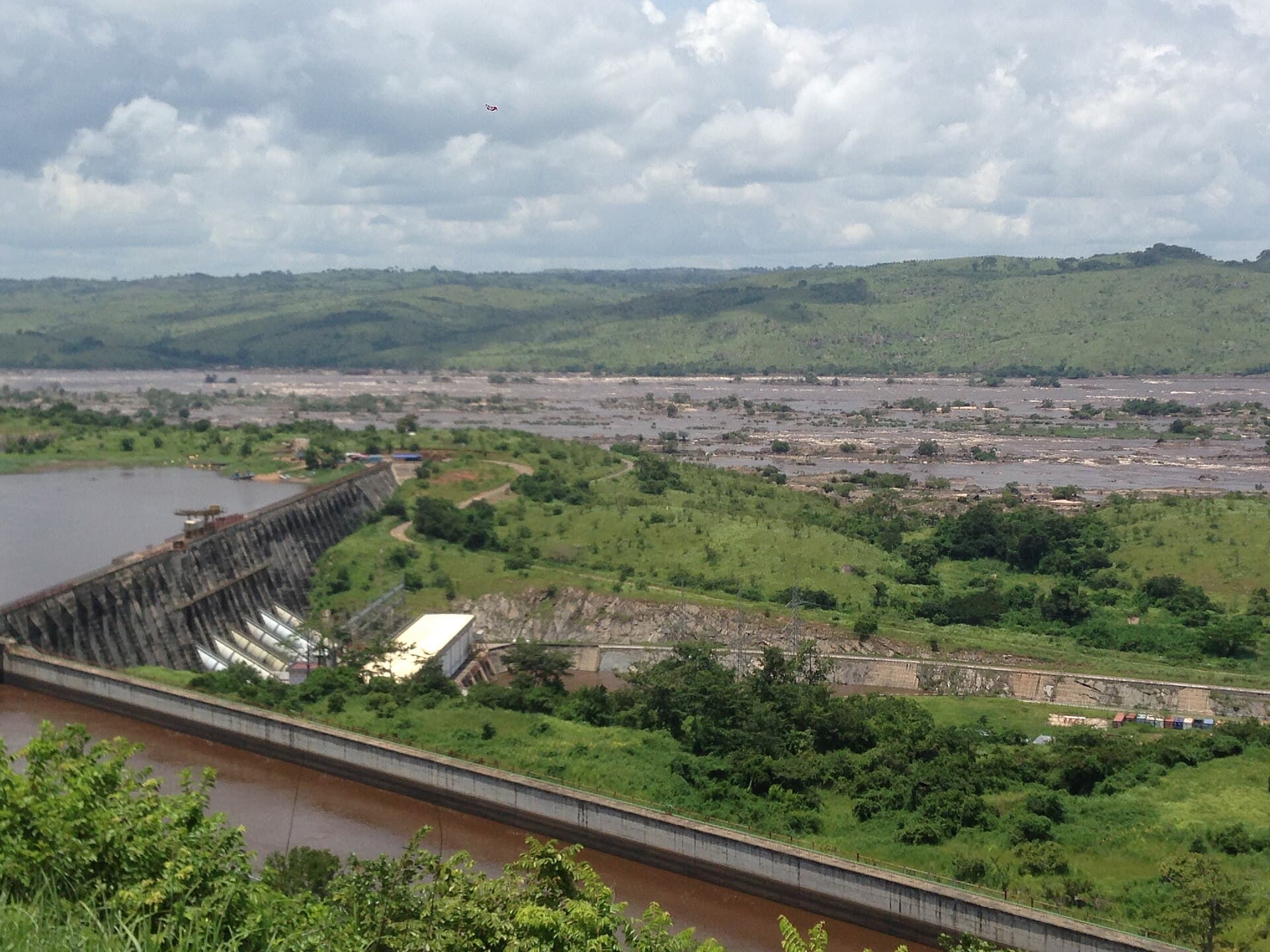
World Bank financing for the DRC's Inga 3 hydropower project took effect on 2 February 2026, prompting President Tshisekedi to order cooperation agreements finalised within 60 days.
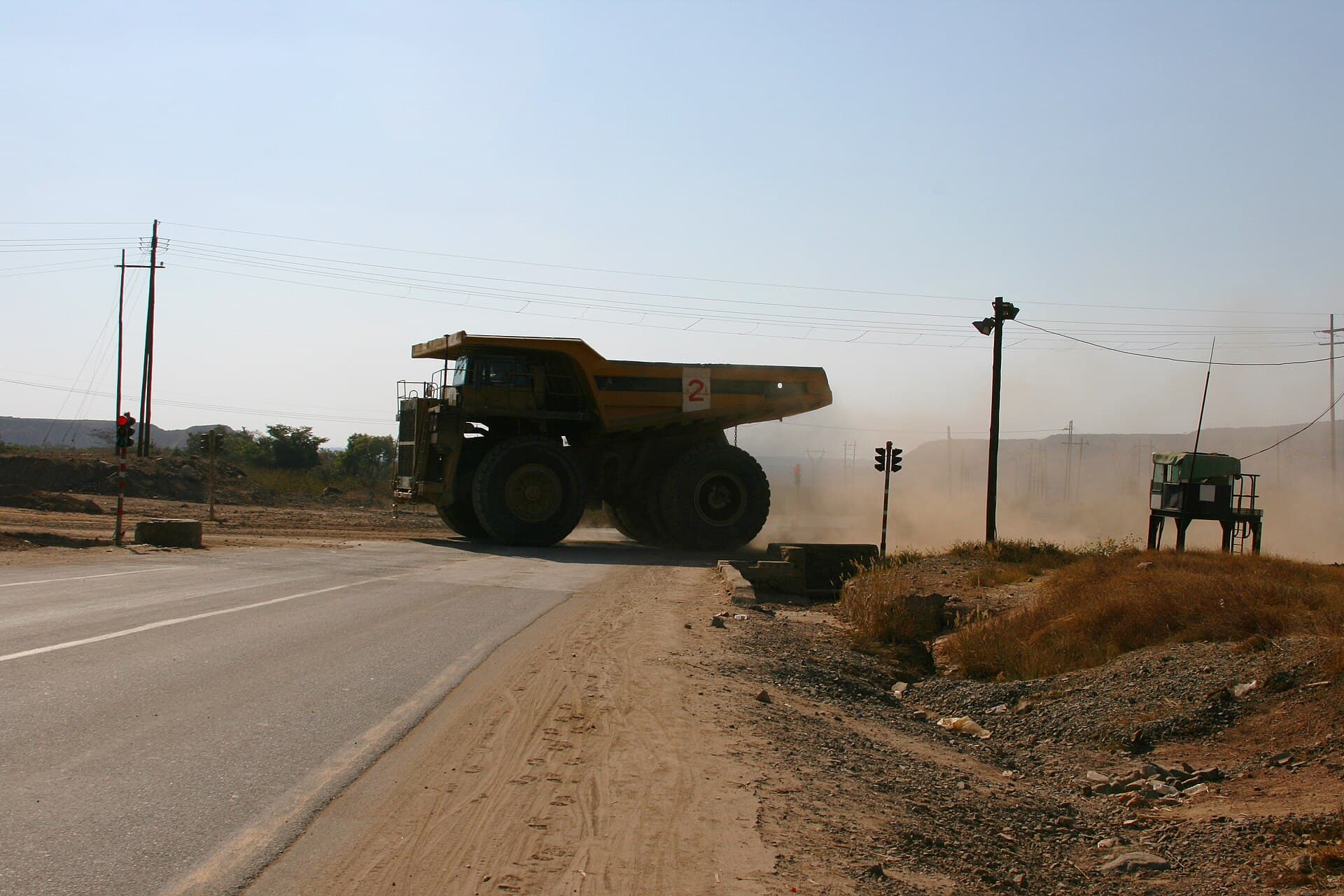
Flooding brought down the Kakoso bridge on the Zambian road to Kasumbalesa, cutting off a route that carries roughly a third of the DRC's copper cathode exports and forcing trucks onto detours.
Eurasian Resources Group's Metalkol tailings-reprocessing operation in the DRC became the first such site globally to be awarded the Copper Mark responsible-sourcing certification.
DRC president Felix Tshisekedi replaced the chairman and CEO of state mining company Gécamines, which holds stakes in copper and cobalt operations run by Glencore, CMOC and ERG.
Gécamines secured rights to market about half of the copper produced at Glencore's Kamoto Copper Company, extending a trading strategy it has used elsewhere in the DRC.
The DRC's copper exports rose almost 10% in 2025 to 3.4 million tonnes, with Chinese-run mines including Tenke Fungurume and Kamoa-Kakula driving the increase.
The DRC dispatched its first copper shipment to the US under a Gécamines-Mercuria arrangement, marketing metal from the state miner's stake in CMOC's Tenke Fungurume operation.
Ivanhoe Mines began copper anode production at its new Kamoa-Kakula smelter in the DRC, a plant it says will be Africa's largest once fully ramped up.
Mozambique, Malawi, Zambia and the DRC have signed a declaration to extend the Nacala railway corridor by about 2,400km, linking Chipata in Zambia to the DRC and onward to the Port of Nacala.
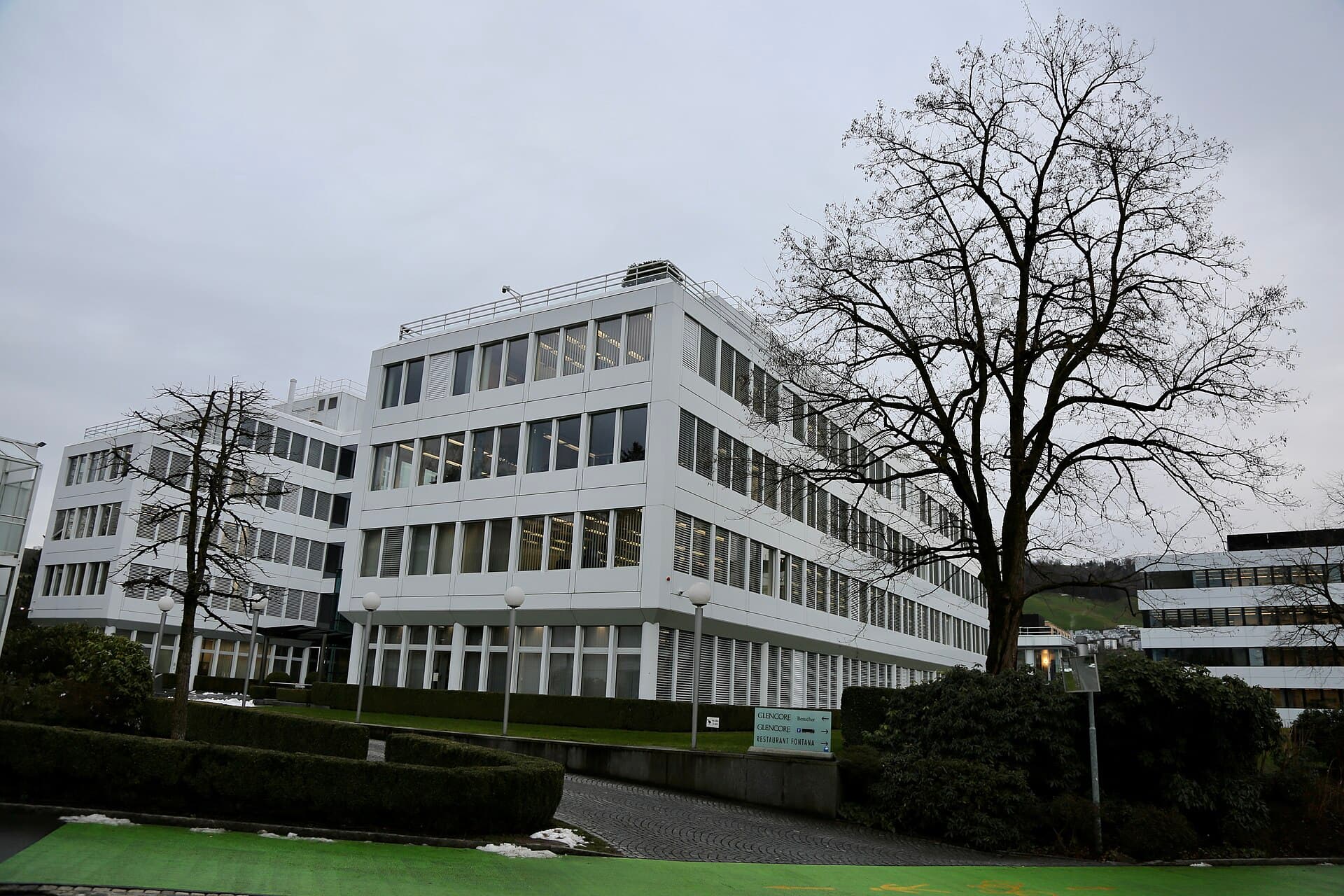
Glencore unveiled a $14bn-$24bn global copper growth plan that includes higher output targets for its Kamoto Copper Company and Mutanda operations in the DRC.
Ivanhoe Mines says hydropower delivery from the refurbished Inga II dam to its Kamoa-Kakula copper complex is set to rise from 50MW to 100MW in the first quarter of 2026, under a long-term deal with DRC utility SNEL.
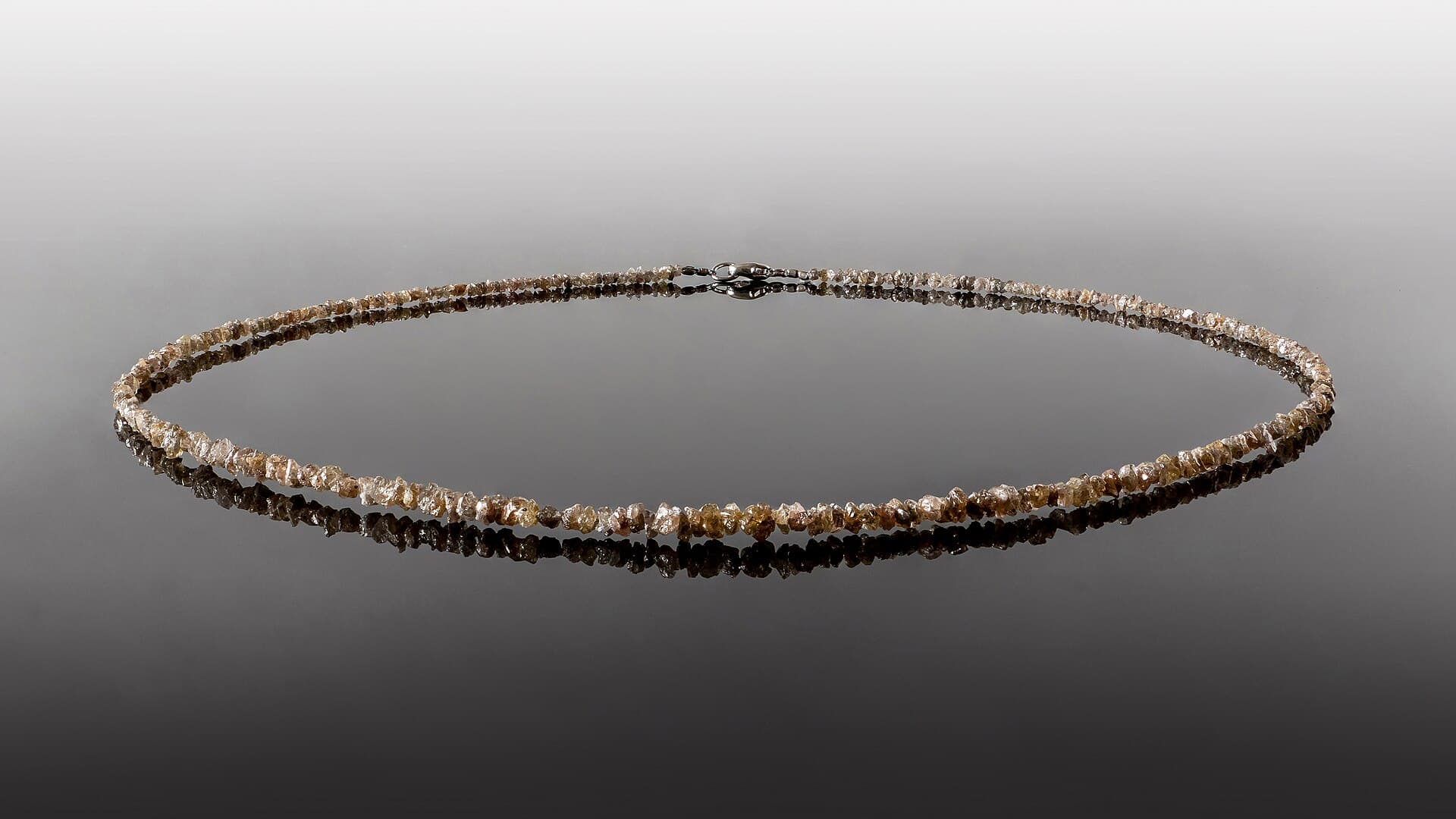
Wholesale lab-grown diamond prices have crashed as much as 96% since 2018, prompting Angola, Botswana, Namibia, South Africa and the DRC to fund a joint marketing push for natural stones.
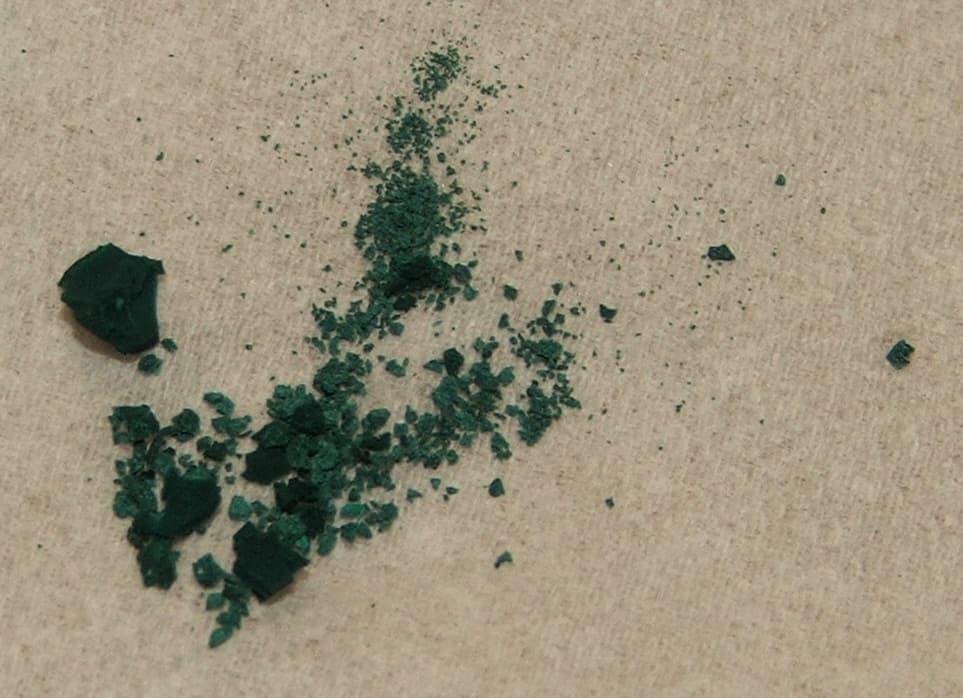
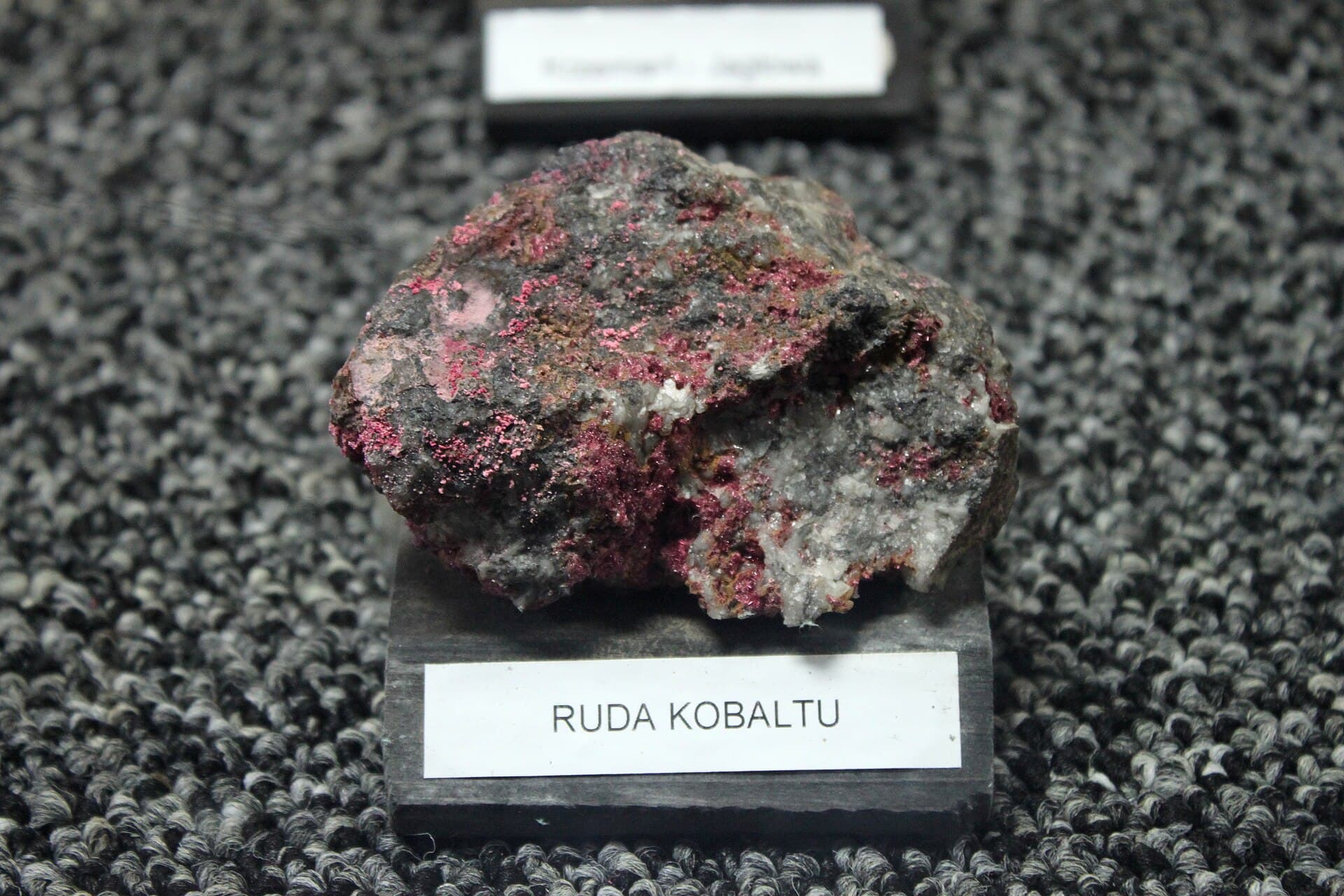
The Democratic Republic of Congo formally lifted its cobalt export ban on 16 October 2025, moving to a quota system after eight months of suspension that had roiled global battery-metal markets.
As the DRC's quota system approached, Chinese cobalt refiners began dissolving cobalt metal into sulphate instead of using scarce hydroxide feedstock, even though the process is slower and less efficient.
An industry opinion piece published as the DRC's cobalt quota system took shape argued that South Africa's own critical minerals strategy should introduce a 'balanced export strategy' limiting unprocessed cobalt exports.
Congo's regulator announced on 22 September 2025 that cobalt exports would be capped at 96,600 tonnes a year in 2026 and 2027, with 18,125 tonnes permitted for the rest of 2025.
Glencore began exploring the sale of a majority stake in its Kamoto Copper Company operation in the DRC, holding talks with Orion Resource Partners amid the prolonged cobalt export suspension.
Ivanhoe Mines began the second stage of dewatering at its flooded Kakula copper mine in the DRC, aiming to cut the underground water level by roughly a metre a day.
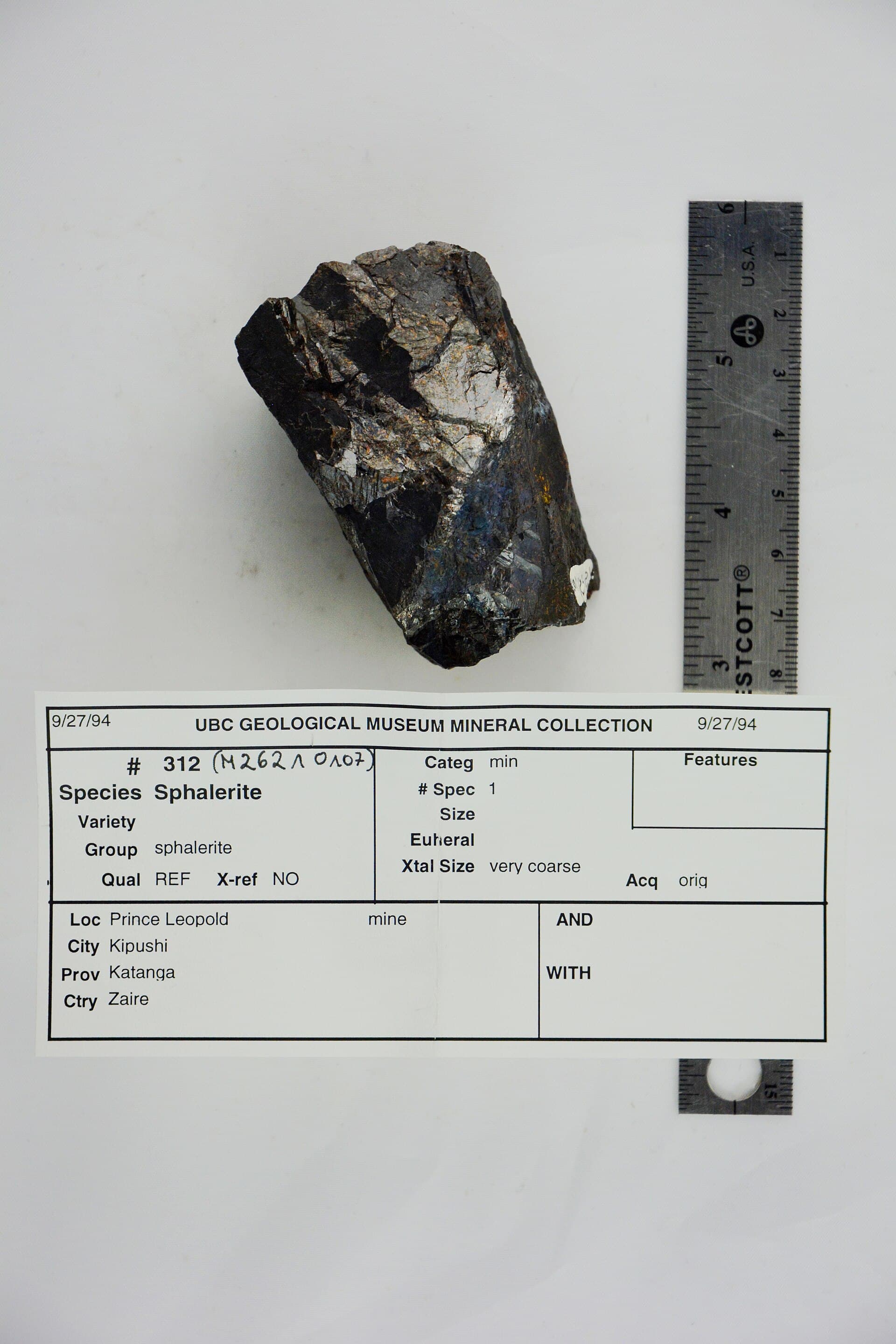
Ivanhoe Mines said debottlenecking work at its Kipushi zinc mine in the DRC finished early and under budget, keeping the operation on track for its 2025 production guidance.
A legal analysis published in August 2025 argued that ARECOMS lacked the statutory authority under DRC's Mining Code to suspend cobalt exports, exposing the state to potential liability claims.
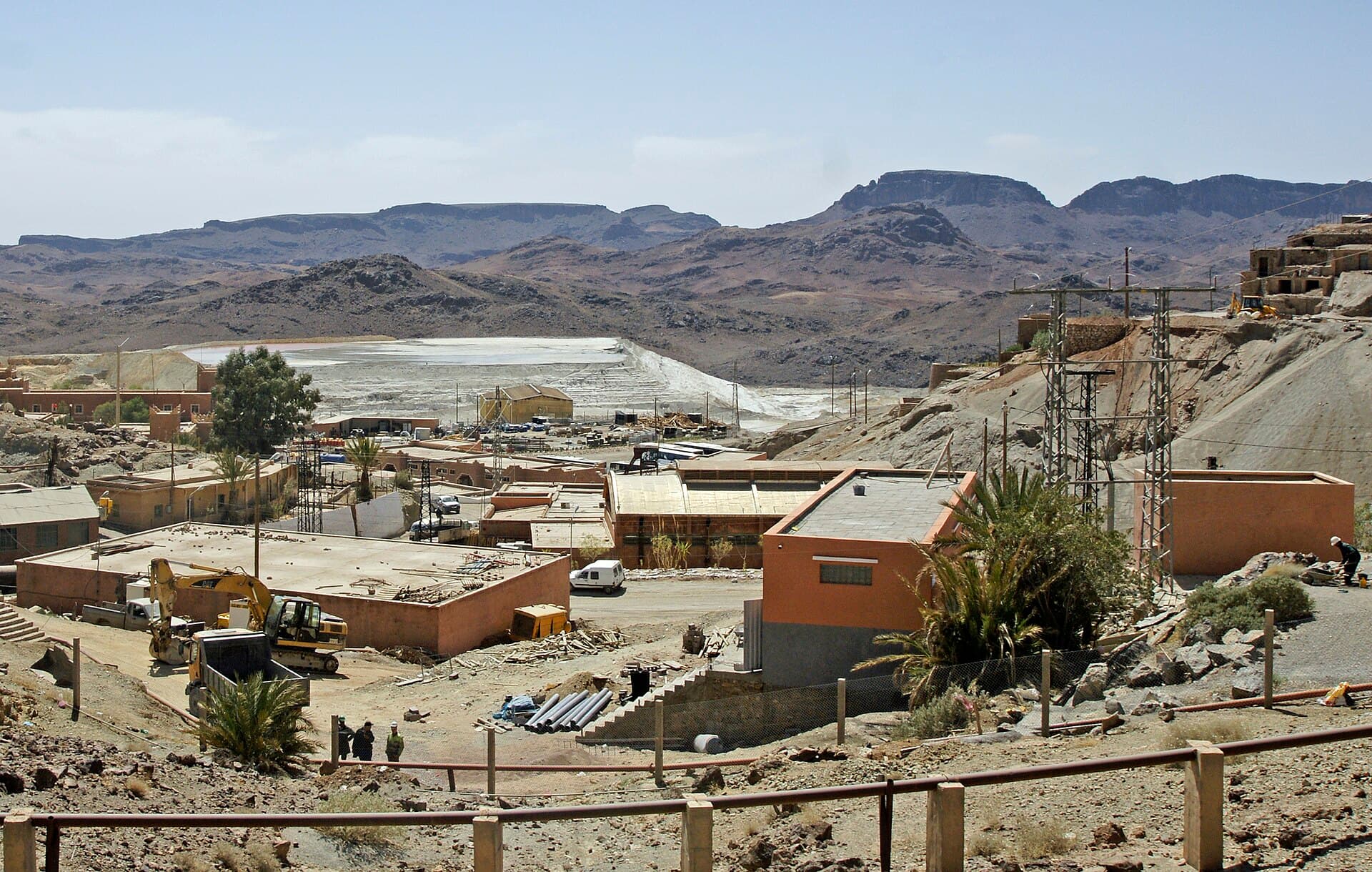
Managem is building a $100m cobalt-sulphate refinery near Marrakech to process material from its century-old Bou Azzer mine, positioning Morocco as an alternative cobalt source to the DRC.
The Democratic Republic of Congo extended its cobalt export suspension for a further three months on 21 June 2025, saying stockpiles remained too high to justify reopening trade.