'Lab-grown bubble has burst,' says World Diamond Council as Africa fights back
Five producer nations sign the Luanda Accord to pool 1% of sales revenue into promoting natural diamonds
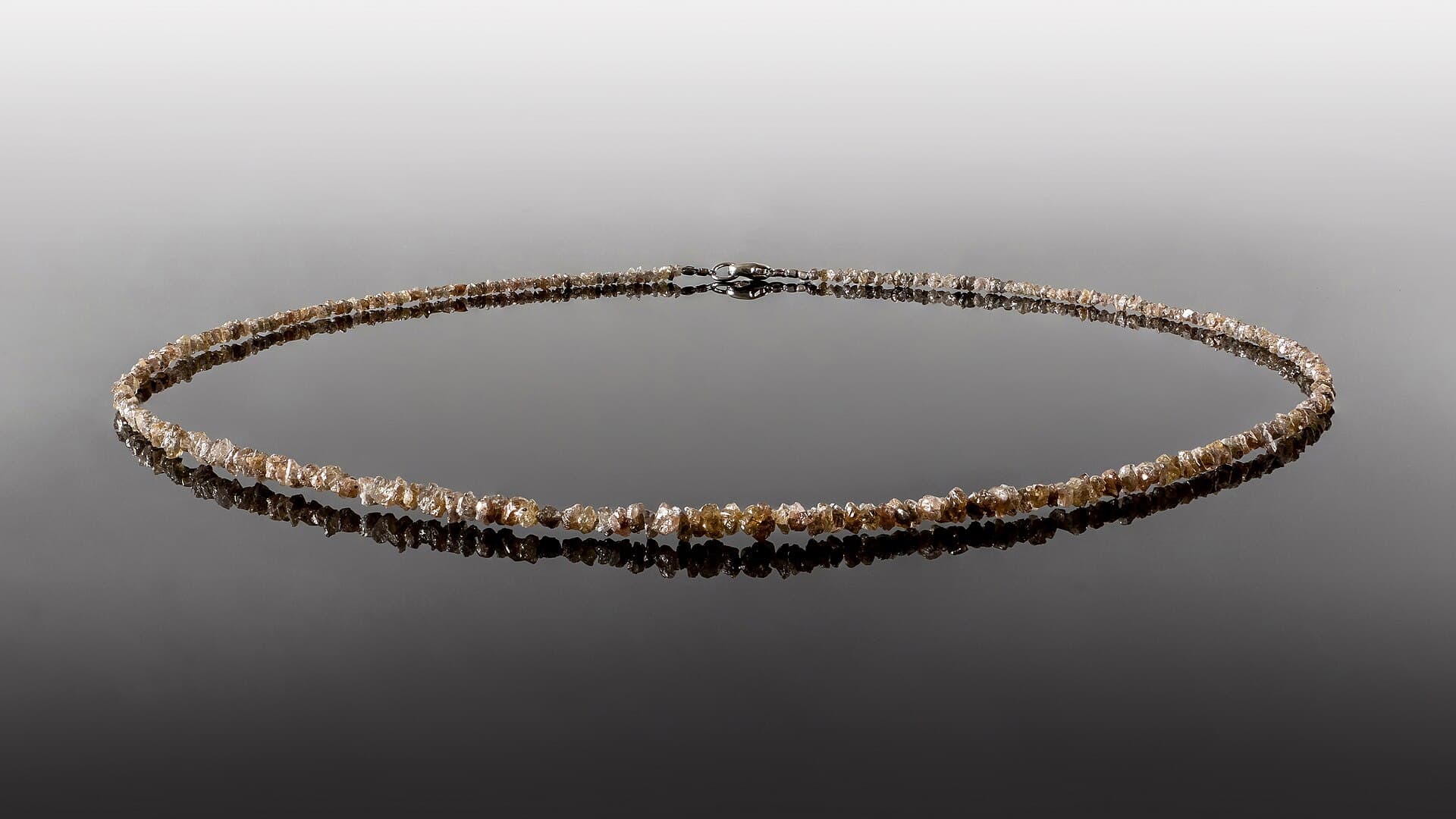
The World Diamond Council declared in October 2025 that "the lab-grown bubble has burst," pointing to a collapse in wholesale prices for synthetic stones that its president, Feriel Zerouki, said was starting to push buyers back towards natural diamonds.
Zerouki said wholesale prices for one-carat and two-carat lab-grown diamonds had fallen by as much as 96% since 2018, driven by a wave of new production capacity in China and India that flooded the market with cheap synthetic stones. "Lab-grown diamond prices are crashing. This is impacting consumer confidence in lab-growns," she said, adding that "there is a movement in the trade, even at retail level, to come back to natural diamonds."
Africa moves to fund its own marketing
The shift prompted five of Africa's leading diamond-producing nations — Angola, Botswana, the Democratic Republic of Congo, Namibia and South Africa — to sign what became known as the Luanda Accord, committing to allocate 1% of their annual diamond sales revenue toward a joint campaign to promote natural stones and rebuild consumer demand.
The initiative reflected growing alarm among producer governments that years of retreat from category-wide diamond marketing, largely a legacy of De Beers cutting its own advertising spend, had let synthetic diamonds establish themselves as a credible substitute in the minds of younger consumers, particularly in the crucial US bridal market.
A market shaped since 2022
The natural diamond industry had been in a price slump since mid-2022, a downturn initially driven by the rapid rise of lab-grown alternatives among cost-conscious and younger buyers. Zerouki's comments suggested the pendulum might be swinging back, with lab-grown stones now at risk of becoming a lower-value fashion accessory unable to compete with natural diamonds' scarcity and symbolic weight in engagement and bridal purchases.
Why it matters for African producers
For governments as diamond-dependent as Botswana's and Angola's, a genuine recovery in natural diamond demand would be worth far more than any single mine expansion or cost-cutting programme, since it would lift prices across the board rather than merely reallocate a shrinking pie. The Luanda Accord marked one of the first coordinated attempts by African producer states to take collective ownership of demand generation, rather than leaving marketing entirely to De Beers and the trade's midstream players.
Sources
- Miningmx: Lab-grown diamond market bubble has burst, 23 Oct 2025
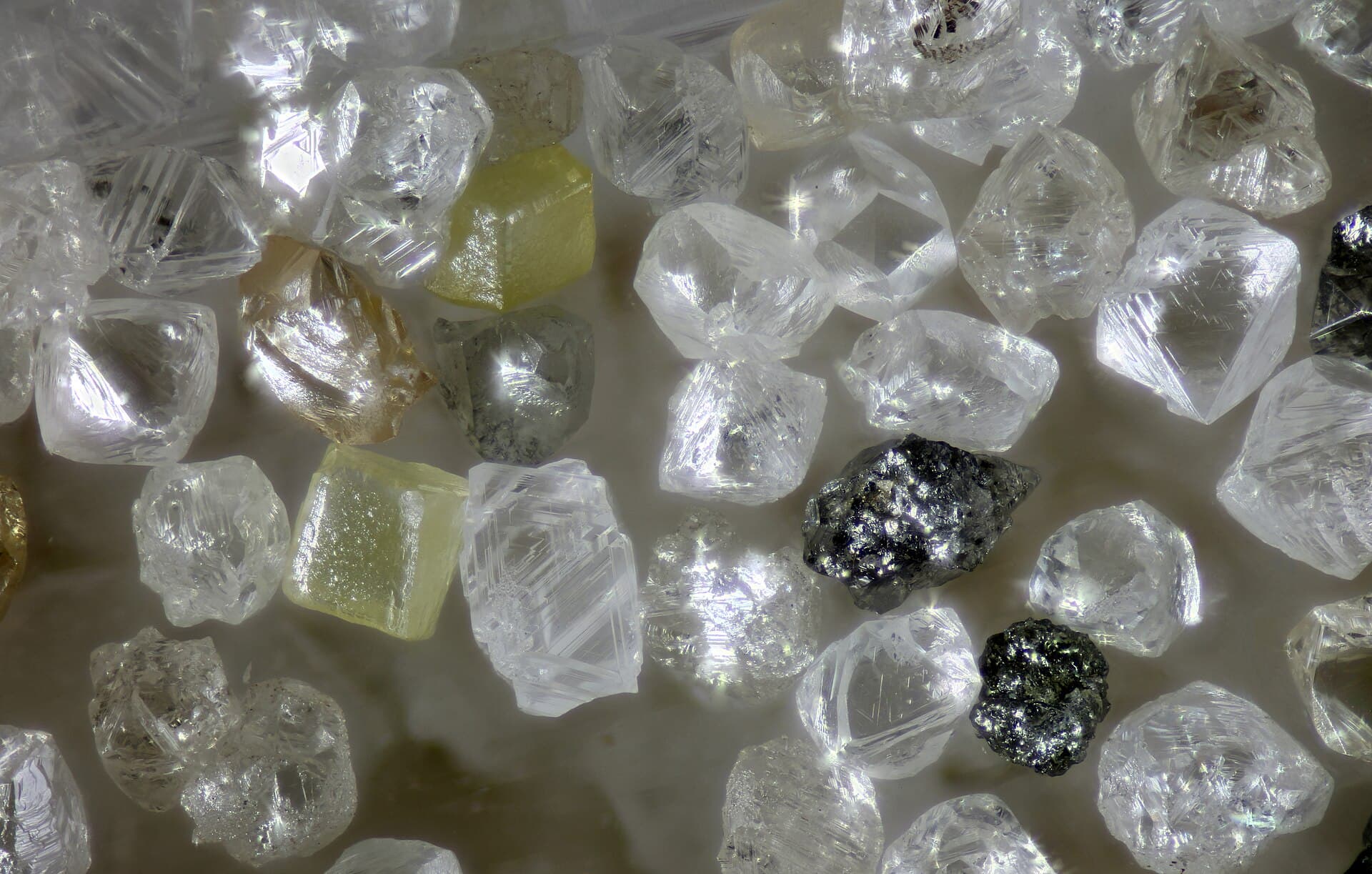
Photo: A collection of rough natural diamonds, the focus of a new African producer marketing push. W.carter, Wikimedia Commons, CC BY-SA 4.0.
Was this useful?
More from MiningWrap
The whole sector in one weekly read.
Deals, policy and markets — every Thursday.
Discussion
Loading comments…