Kamoa-Kakula smelter produces its first copper anode
First output came on 29 December, five weeks after the direct-to-blister plant began heat-up
Ivanhoe Mines has officially begun copper anode production at the direct-to-blister smelter it built at its Kamoa-Kakula complex in the Democratic Republic of Congo, a milestone the company called a defining moment for the project.
First production occurred on 29 December, roughly five weeks after the smelter's heat-up began and a week after the first feed of concentrate. The facility, with a steady-state capacity of 500,000 tonnes a year, would be the largest of its kind in Africa once fully ramped up. "The first production of copper anodes from our world-class smelter is a defining moment for Kamoa-Kakula," founder and executive co-chairman Robert Friedland said, adding that the plant would "deliver the highest-quality Congolese copper anodes to the international markets, setting a new global benchmark for scale, efficiency, and sustainability."
Analysts nod along
BMO Capital Markets said the announcement was in line with both Ivanhoe's own guidance and the bank's expectations. Shares jumped as much as 5% before paring gains, trading around C$16 by midday and giving the company a market capitalisation of C$23.2bn.
A benchmark year in miniature
The smelter's ramp-up to its full annualised rate of 500,000 tonnes of 99.7%-pure copper anode was expected to be complete by the end of 2026, alongside Kamoa-Kakula's own guided copper production of between 380,000 and 420,000 tonnes for the year — a midpoint of roughly 80% of the smelter's eventual capacity. That gap between mine output and smelter capacity was itself telling: Ivanhoe had built processing capacity ahead of the mine's recovery, a bet that Kamoa-Kakula's underground rehabilitation would keep pace with the plant's ramp-up. Whether that bet paid off would depend heavily on how smoothly the mine's own guided recovery — already revised down once, and about to be revised down again within three months — actually unfolded on the ground. Even so, having a functioning, permitted smelter on site gave Ivanhoe options that few African copper producers enjoy, allowing it to capture smelting margins rather than ship raw concentrate abroad regardless of how quickly underground output itself recovered.
Sources
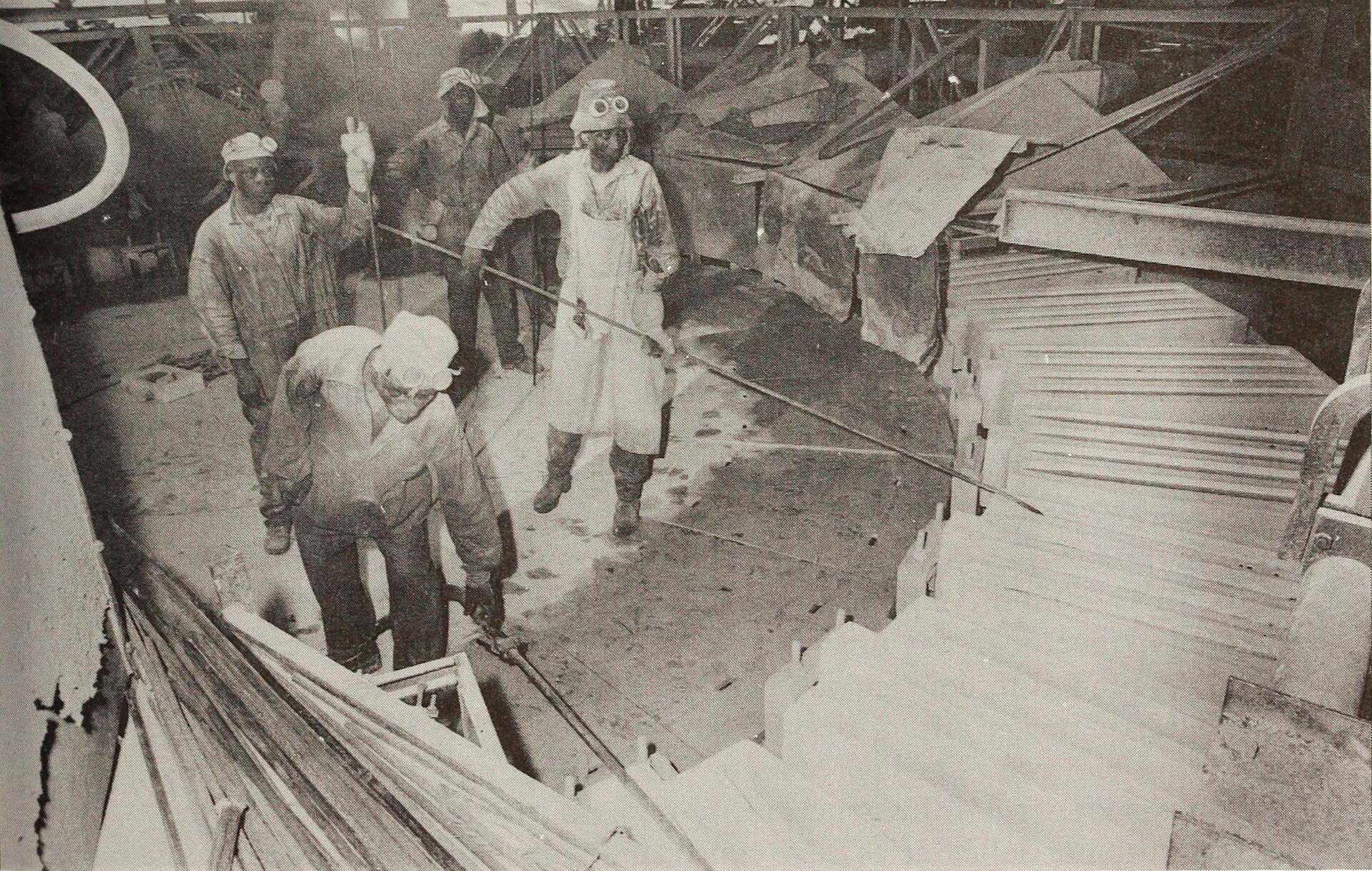
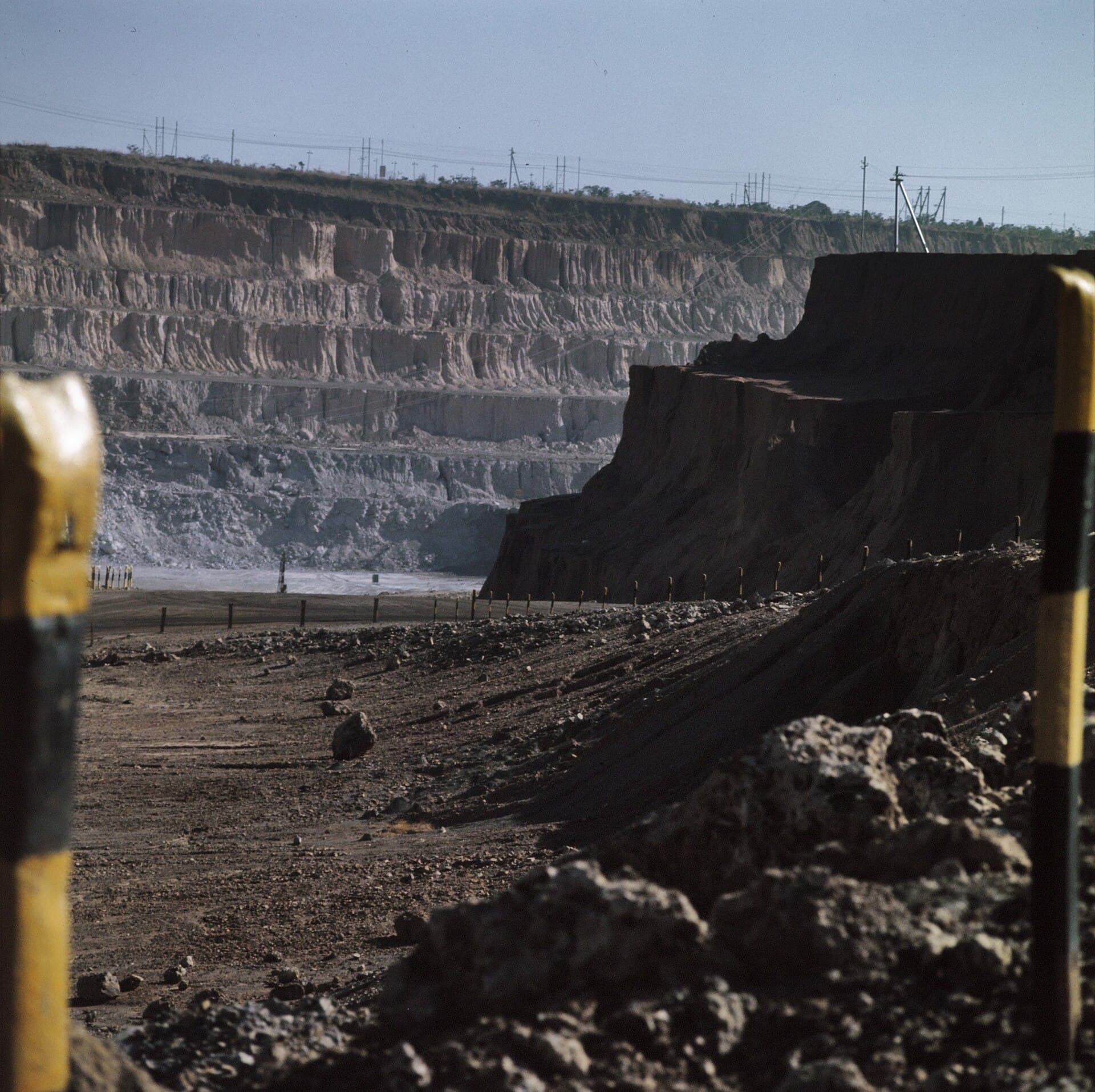
Photo: Electrolytic copper processing racks at a refinery in the DRC's copperbelt. Gécamines (Zairian company), Wikimedia Commons, Public domain.
Was this useful?
More from MiningWrap
Kamoa-Kakula switches on Africa's first solar-and-battery baseload plant
The whole sector in one weekly read.
Deals, policy and markets — every Thursday.
Discussion
Loading comments…