
Transnet signs rail access agreements with 11 private train operators
Transnet's rail infrastructure manager has concluded access agreements with all 11 private train operating companies awarded slots on six freight corridors that carry coal, chrome, manganese and iron ore, putting third-party access into operation.
Transnet Rail Infrastructure Manager / Department of Transport
South Africa
- Draft
- Comment
- In force
At a glance
- In force
- Regulation
- Transnet Rail Infrastructure Manager / Department of Transport
- South Africa
- Coal, iron ore, manganese, chrome
- 13 May 2026
South Africa's freight rail network is formally open to private operators. Transnet Rail Infrastructure Manager (TRIM) said in May 2026 that it had concluded rail access agreements with all 11 train operating companies (TOCs) that were allocated slots, completing the selection process begun under the country's first Network Statement.
How it came about
Third-party access flows from the National Rail Policy approved by Cabinet in March 2022 and the Freight Logistics Roadmap adopted in December 2023. The first Network Statement, setting out access terms and tariffs, was published on 20 December 2024 and the slot application window closed on 27 February 2025. Of 25 applications, 11 met all conditions, and Transport Minister Barbara Creecy announced conditional awards in August 2025. Slot durations range from one to ten years.
The successful operators include Grindrod, Minrail, the Railway Corporation, Menar and Barbary. They will have access to 41 routes on six corridors used to move coal, chrome, manganese, iron ore, magnetite, fuel, containers and sugar.
Why it matters for miners
Rail performance has been a binding constraint on South African mining. Coal exports fell to a 30-year low and iron ore shipments to their weakest in a decade as Transnet's service deteriorated, and producers such as Glencore and Kumba Iron Ore have struggled to get product to port. TRIM projects that the new operators will move an additional 20 million tonnes a year from the 2026/27 financial year. The government wants 250 million tonnes a year on rail by 2029, against about 165 million tonnes now.
Transnet chief executive Michelle Phillips described the milestone as a shift from policy reform to a functioning open-access rail system. The rail policy also encourages private investment in rolling stock and leasing companies, which the government estimates could unlock more than R100 billion.
Next steps
Operators must meet safety and operational conditions before running trains, and further slot windows are planned for later timetables. How fairly TRIM allocates capacity and prices access, and whether an independent transport economic regulator is established on time, will determine whether the reform delivers the tonnages miners need.
Sources
- Daily Investor: Private companies get access to Transnet's railways, 13 May 2026
- Infrastructure News: TRIM Advances Rail Reform With TOCs Onboarding And Expanded Network Access, 14 May 2026
- Mining Review Africa: Rail reform milestone: 11 new operators approved for Transnet freight slots, 26 Aug 2025
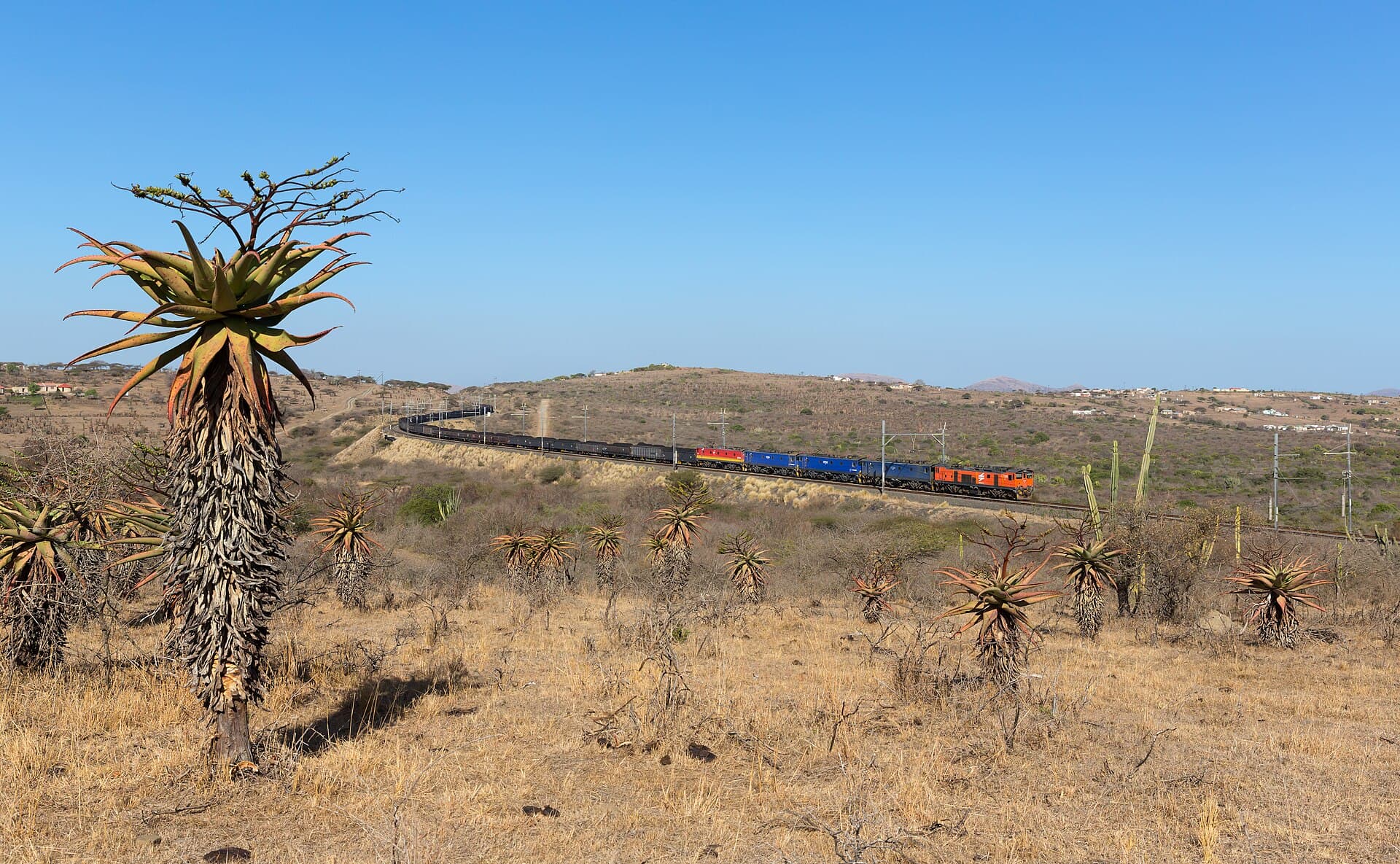
Photo: A Transnet Freight Rail electric locomotive hauling a freight train. Kabelleger / David Gubler (http://www.bahnbilder.ch), Wikimedia Commons, CC BY-SA 3.0.
Was this useful?
Discussion
Loading comments…