Nersa extends consultation on electricity trading and wheeling rules
Nersa's revised draft Rules for Electricity Trading, which govern bilateral trading, wheeling, non-bypassable charges and phased retail competition, remain open for comment until 28 September 2026 after a one-month extension.
National Energy Regulator of South Africa (Nersa)
South Africa
- Draft
- Comment
- In force
At a glance
- Consultation
- Regulation
- National Energy Regulator of South Africa (Nersa)
- South Africa
- All minerals
- 1 September 2026
The rules that will decide how freely South African mines can buy electricity from private generators and traders are still being written. On 1 September 2026 the National Energy Regulator of South Africa extended the deadline for comments on its revised draft Rules for Electricity Trading by a month, from 28 August to 28 September.
Two rounds of drafts
Nersa published an initial draft in November 2025, held public hearings in January 2026 and released a revised version in April, followed by a further expanded version in June for a second consultation round. The regulator said the latest text had been significantly revised in response to stakeholder comments. It covers bilateral trading, wheeling, non-bypassable charges and the phased introduction of retail competition.
What the drafts propose
The April version applied to licensed traders, network operators, retailers and generators above 100kW with bilateral supply agreements. It proposed limiting the share of a customer's baseline consumption that can come from third-party suppliers to 20% in the first two years, rising in steps to 50% in year five and becoming unrestricted in year six, subject to thresholds for non-bypassable charges. The contestable market would initially be limited to customers with at least 1MVA of demand, interval metering and time-of-use tariffs. Virtual wheeling was to be deferred until the wholesale market launches, and secondary trading prohibited in the first phases. Critics argued that the glide path and the recovery of legacy costs through non-bypassable charges would limit competition.
Why mines care
Mining companies are the main buyers of privately procured power. All ten privately procured projects that reached commercial operation in the first half of 2026 were contracted to mining or industrial offtakers, including projects for Anglo American, Exxaro, ARM Platinum and Richards Bay Minerals, according to Power Futures Lab data reported by ESI Africa. Nersa approved updated rules on network charges for third-party wheeling in March 2025, allowing wheeling between Eskom and municipal networks.
Next steps
Final rules are needed alongside the South African Wholesale Electricity Market, due to open in the third quarter of 2026, and the Revised Electricity Pricing Policy that Cabinet released for comment in July.
Sources
- Energize: NERSA extends consultation on electricity trading rules, 01 Sept 2026
- Engineering News: Opinion: Nersa's revised trading rules – market reform or market containment?, 16 Apr 2026
- ESI Africa: Private generation procurement for wheeling and energy trade, 24 Aug 2026
- ESI Africa: South Africa: Wheeling framework gives market liberalisation teeth, 07 May 2025
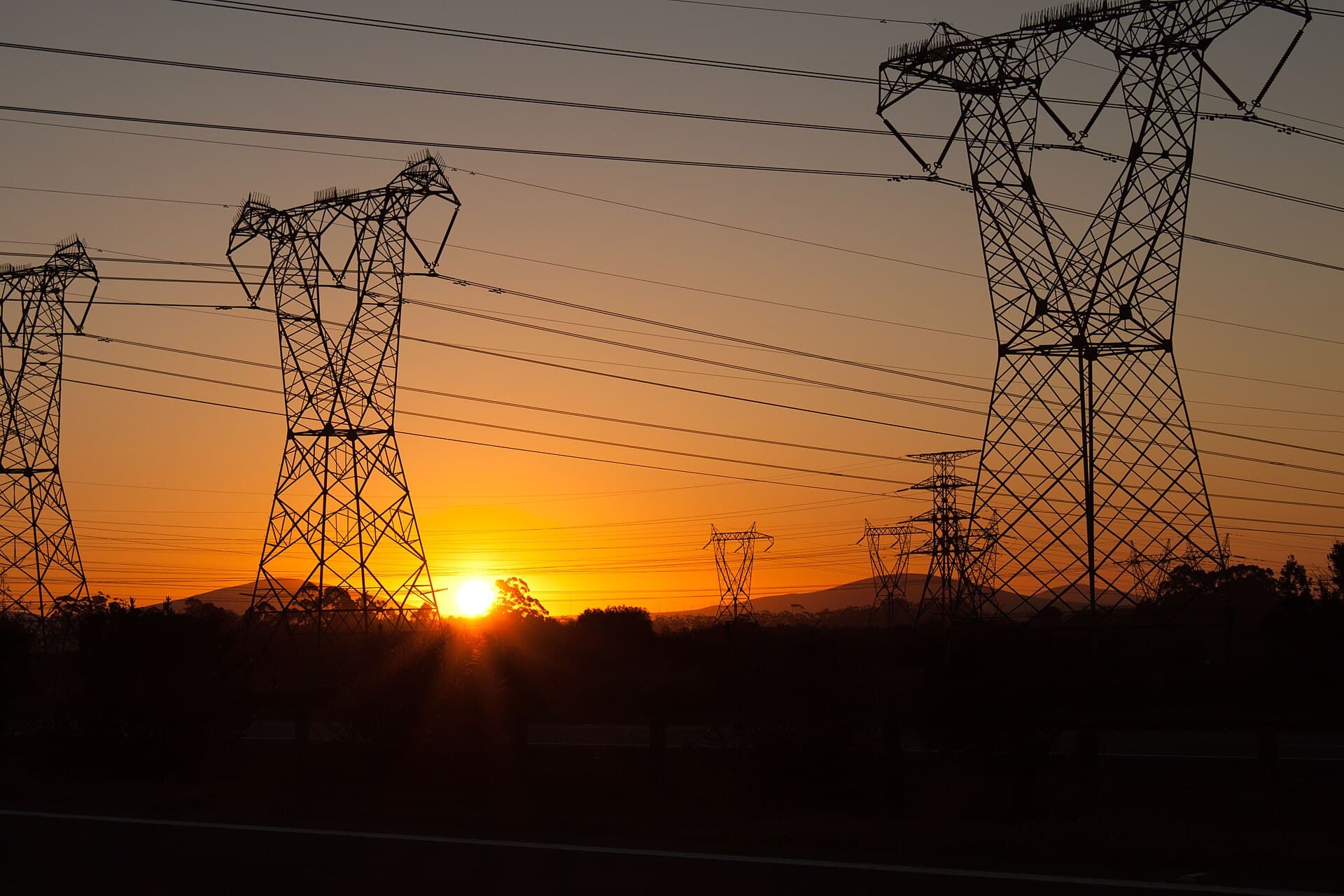
Photo: Electricity pylons alongside the N1 highway in South Africa. Azwi, Wikimedia Commons, CC BY-SA 3.0.
Was this useful?
Discussion
Loading comments…