
National mining cadastre rollout pushed to March 2027
South Africa's new online mining cadastre is operating in the Western Cape, but the national rollout to replace the SAMRAD licensing system has been moved to 31 March 2027, with Mpumalanga, Limpopo and North West last in line.
Department of Mineral and Petroleum Resources
South Africa
- Draft
- Comment
- In force30 Mar 2027
At a glance
- In force
- Licensing
- Department of Mineral and Petroleum Resources
- South Africa
- All minerals
- 30 March 2027
- 9 June 2026
South Africa's new mining cadastre, the electronic register intended to replace the widely criticised SAMRAD licensing system, will not be operating nationally until 31 March 2027 at the earliest. Jacob Mbele, director-general of the Department of Mineral and Petroleum Resources, gave the new date at the Junior Mining Indaba in Johannesburg on 9 June 2026.
Where it stands
The department abandoned an initial plan for a simultaneous national launch and instead began in the Western Cape, where Mbele said applications and licensing had been fully migrated. The Free State, KwaZulu-Natal and the Eastern Cape are next. Mbele acknowledged that Mpumalanga, Limpopo and North West, which account for much of the country's coal, platinum and chrome activity, have the most serious data problems.
At a media demonstration on 15 June 2026, officials showed a system with a map-based public view of rights, a single client registration valid in every province, dashboards for tracking applications and notifications when an application is accepted or rejected, which the department says should happen within 14 days. Consultants register separately from applicants, addressing a problem that clogged SAMRAD.
Why it matters
A functioning cadastre is seen as essential to reviving exploration. South Africa's share of global exploration spending has fallen from around 5% two decades ago to under 1%, and application backlogs are a frequent complaint of junior miners. Canada's Pacific GeoTech Systems was named preferred bidder to lead the cadastre consortium in January 2024, and the launch date has since slipped several times.
The delays have drawn political criticism. DA spokesperson James Lorimer said the system had become a mythical creature and questioned who benefits from the lack of transparency about ownership of mining rights. Industry veteran Bernard Swanepoel noted that the new date was the fifth he had been given.
What next
The department has hired data capturers to speed migration. The Mineral Resources Development Bill also proposes faster licensing, and investors will judge both reforms by whether turnaround times for prospecting and mining rights fall once the cadastre is live nationwide.
Sources
- Daily Maverick: SA mining cadastre national rollout kicked to 31 March 2027, 09 Jun 2026
- Daily Maverick: It exists! Department showcases emerging mining cadastre to media, 15 Jun 2026
- Daily Maverick: Mantashe withdraws BEE proposals for draft Bill on mining exploration, 11 Jun 2025
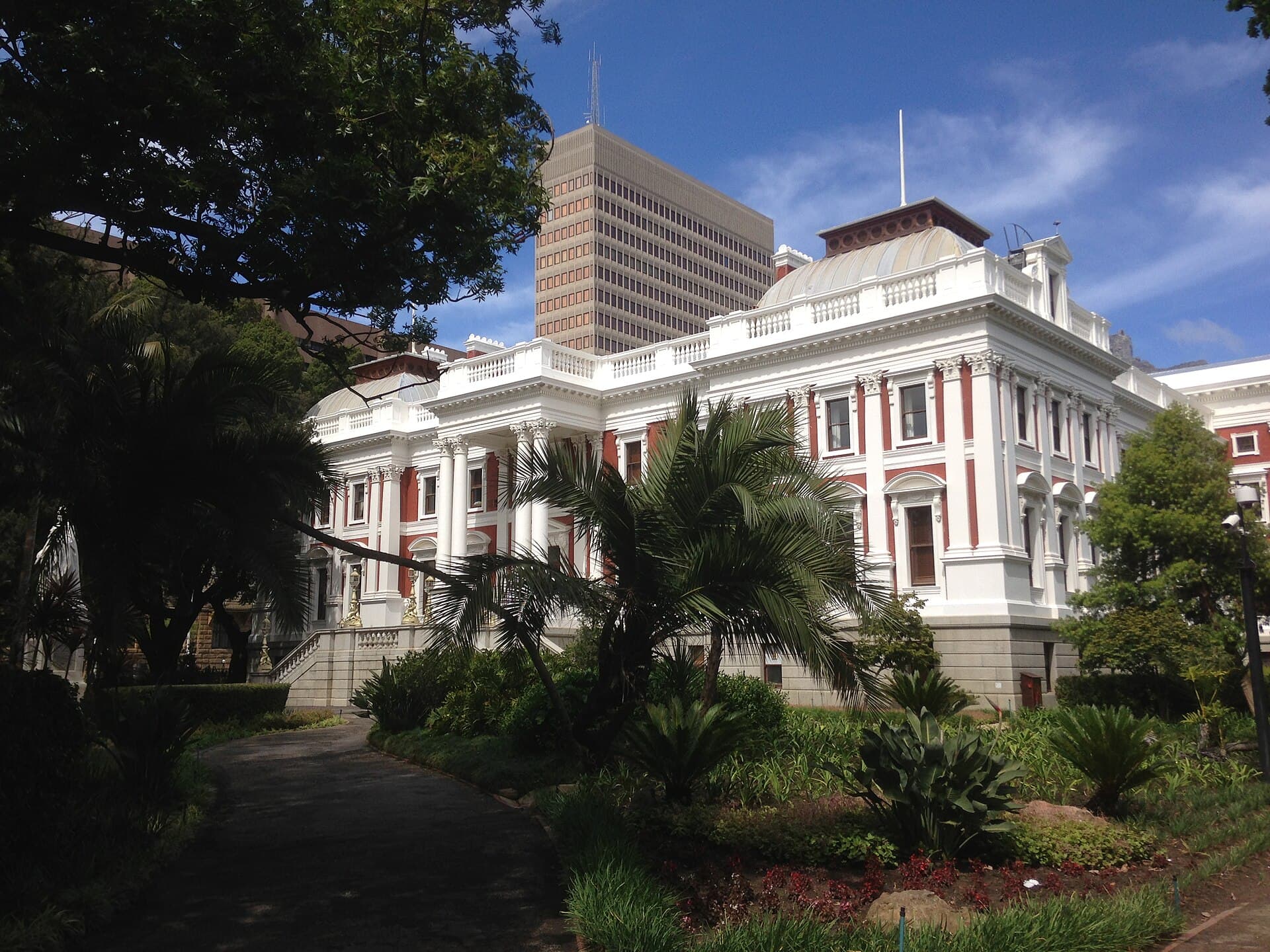
Photo: Government buildings on Parliament Street, Cape Town, Western Cape. Discott, Wikimedia Commons, CC BY-SA 3.0.
Was this useful?
Discussion
Loading comments…