Carbon tax enters phase two with steeper rate path to 2030
Phase two of South Africa's carbon tax began on 1 January 2026. The headline rate is set to climb from R236/tCO2e towards R462 by 2030, while allowance cuts were milder than first proposed and the offset allowance rose by five percentage points.
National Treasury / South African Revenue Service
South Africa
- Draft
- Comment
- In force31 Dec 2025
At a glance
- In force
- Royalties & tax
- National Treasury / South African Revenue Service
- South Africa
- All minerals
- 31 December 2025
- 25 February 2026
South Africa's carbon tax moved into its second phase on 1 January 2026, raising the cost of emissions for mines, smelters and other heavy industry. The first phase, which began in June 2019 and was extended from 2022 to the end of 2025, was designed with generous tax-free allowances that kept effective rates low.
The rate path
The headline rate was R236 per tonne of carbon dioxide equivalent in 2025 and is set to rise to R462 per tonne by 2030, almost doubling in five years. An earlier schedule set out in the 2022 Budget envisaged R308 per tonne in 2026. Emissions above an entity's allocated carbon budget under the Climate Change Act will attract a punitive rate of R640 per tonne, and no allowances will be claimable against them.
Allowances
National Treasury's 2024 discussion paper on phase two proposed trimming the basic 60% tax-free allowance, but the reductions adopted were less severe than industry had feared. From 1 January 2026 the carbon offset allowance increased by five percentage points, giving companies more room to use offsets to reduce liabilities. The 2026 Budget proposed replacing the capacity threshold that pulled some companies into the net because of diesel generators used during load-shedding with a 25,000-tonne annual emissions threshold, and clarified a refund mechanism tied to five-year carbon budgets.
Why it matters for mining
Mining and metals are among the most exposed sectors because of their reliance on diesel fleets, coal-based power and process emissions from smelting. The first phase avoided passing costs through electricity prices, but the tax will bite harder as allowances erode and the rate rises. The Department of Forestry, Fisheries and the Environment is still developing the carbon budget regulations under the Climate Change Act of 2024, which will determine which companies face the punitive rate.
Compliance
Tax advisers report that SARS has become more assertive, questioning allowance claims and emissions data and cross-checking environmental reporting against registrations. The final phase-one returns are due at the end of July 2026, with the first phase-two filings due in July 2027.
Sources
- Kreston SA: Carbon Tax Phase 2 South Africa: What Businesses Must Know in 2026, 22 Jul 2026
- Anthesis: 2026 Budget Speech Highlights: Carbon Tax & Energy, 25 Feb 2026
- ENSafrica: South Africa looks to strengthen Carbon Tax for 2026, 01 Nov 2024
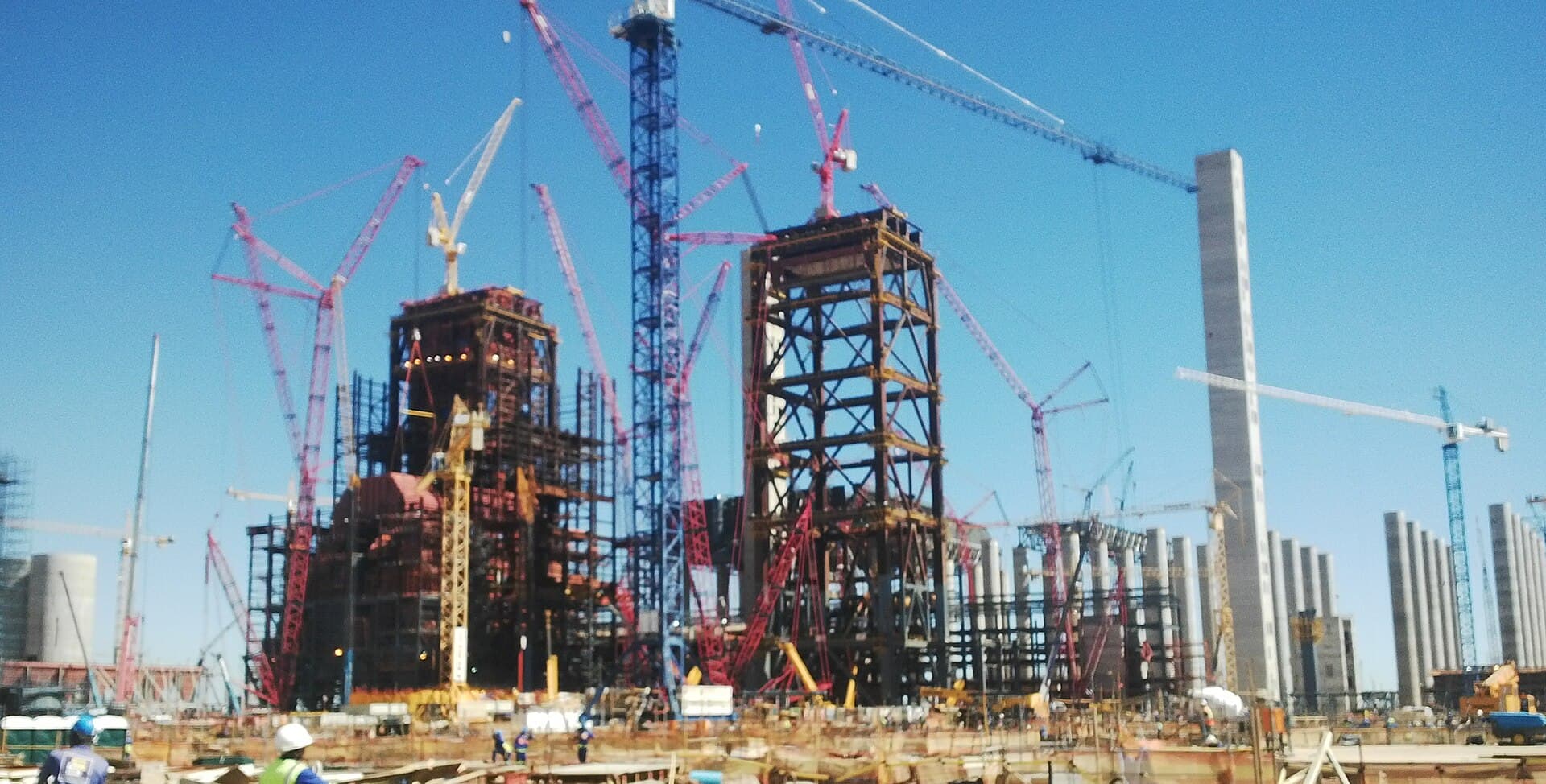
Photo: Kusile coal-fired power station near Witbank, Mpumalanga. Bruce Paulmac, Wikimedia Commons, CC BY-SA 3.0.
Was this useful?
Discussion
Loading comments…