Seismic activity forces shutdown of Ivanhoe's Kakula underground mine
All workers were evacuated safely as tremors hit the eastern section of the Kamoa-Kakula copper complex
Ivanhoe Mines temporarily suspended underground operations at its Kakula mine in the Democratic Republic of Congo on 20 May after seismic activity in the eastern part of the workings, the opening move in a disruption that would reshape the project for the following eighteen months.
The company said all employees at Kakula, part of the wider Kamoa-Kakula copper complex, were safely brought to the surface in line with safety protocols, with mobile equipment removed from the affected workings. No injuries were reported. Ivanhoe's stock sank nearly 9% in early trading to C$12.57, valuing the company at C$17.9 billion.
Inspection under way
Senior management and geotechnical specialists were sent to the site to conduct what the company called a thorough inspection of the underground mine. Initial findings suggested seismic activity had significantly reduced within 24 hours, and the western section of Kakula was declared safe for mining to resume imminently, while inspection continued in the eastern section, where underground infrastructure including pumping equipment could be affected.
With underground mining halted, the Phase 1 and 2 concentrators at Kakula were forced to run at reduced capacity, processing ore only from surface stockpiles until underground production could resume.
The first tremor in a long saga
What looked at first like a contained, short-lived stoppage would prove to be the opening chapter of Kamoa-Kakula's most difficult year. Within days, seismic-induced flooding would spread through the eastern section of the mine, joint venture partners Ivanhoe and China's Zijin Mining Group would publicly disagree over the scale of the damage, and the company would be forced to withdraw its annual production guidance entirely. The episode illustrated a hazard familiar to deep, high-extraction copper mines everywhere — the risk that aggressive ore extraction can destabilise the rock mass supporting the workings above and around it — but rarely at a mine of Kamoa-Kakula's scale and importance to global copper supply. Markets, and Ivanhoe's Chinese and Congolese partners, would spend the rest of the year working out exactly how serious the damage was, and how long it would take before the mine's eastern section could be safely brought back into production.
Sources
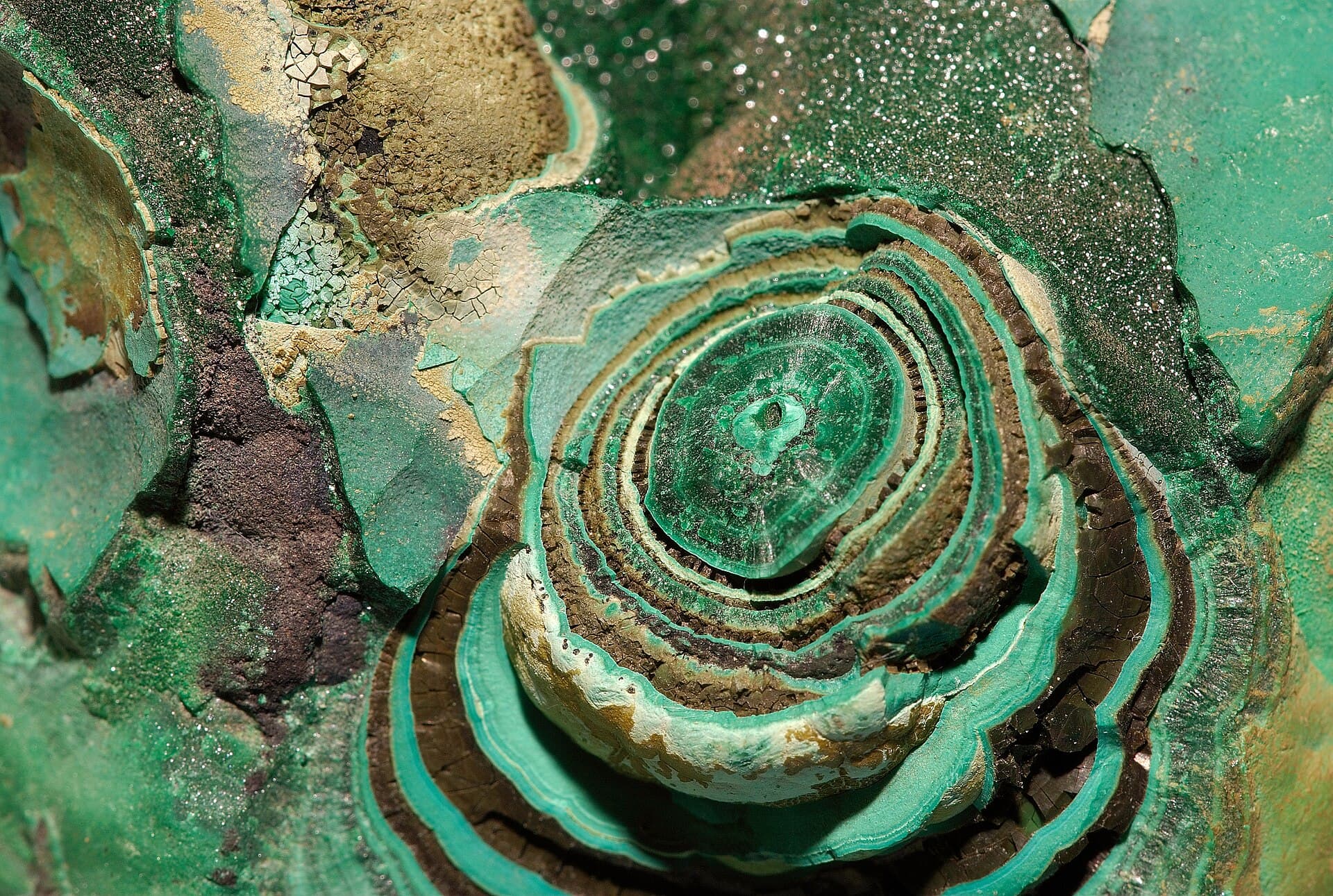
Photo: Malachite copper ore from the Democratic Republic of Congo's copperbelt. Luc Viatour, Wikimedia Commons, CC BY-SA 3.0.
Was this useful?
More from MiningWrap

The whole sector in one weekly read.
Deals, policy and markets — every Thursday.
Discussion
Loading comments…