Ivanhoe warns 2026 Kamoa-Kakula output will lag 2024 levels
Copper production is guided at 380,000-420,000 tonnes next year, with a recovery to 500,000-540,000 tonnes pencilled in for 2027
Ivanhoe Mines said copper output next year at its Kamoa-Kakula complex in the Democratic Republic of Congo should lag 2024 levels, even as efforts to rehabilitate the site following seismic-induced flooding gathered pace.
Contained copper production was guided at between 380,000 and 420,000 tonnes in 2026, before an expected rise of about 30% to 500,000-540,000 tonnes in 2027, the company said. It maintained a medium-term goal of producing roughly 550,000 tonnes annually. "The revised guidance provides the market with long overdue clarity on the near- to medium-term outlook for the company," Scotia Capital mining analyst Orest Wowkodaw said in a note to clients.
Progress, but slowly
Mining at the underground operation had been halted for about three weeks the previous spring after seismic activity caused flooding in the mine's eastern section. Kamoa-Kakula had produced 437,061 tonnes of copper concentrate in 2024, the last full year before the flood — a benchmark the new guidance made clear would not be matched again for at least two more years. Dewatering of the flooded areas was 70% complete in the western zone and 60% in the eastern zone, with the western side expected to be fully drained by the end of January. Some 13.4km of underground workings had been rehabilitated, including 4.6km that had been dewatered.
Clarity has a price
Ivanhoe shares gained 6.2% on the update, lifting the company's market value to about C$22bn, as investors welcomed the certainty even though the numbers themselves were disappointing relative to pre-flood expectations. The guidance represented Ivanhoe's most detailed public reckoning yet with how long a full recovery would take — an admission that the mine's return to form was now a multi-year project rather than a matter of months. It would prove, in the event, still too optimistic: within four months the company would cut the 2026 and 2027 ranges again, and by a wider margin, after concluding that underground development work needed to proceed even more cautiously than this update assumed. For a market still hungry for new copper supply, each revision was a reminder of how unforgiving deep, high-grade underground mining can be when the unexpected strikes.
Sources
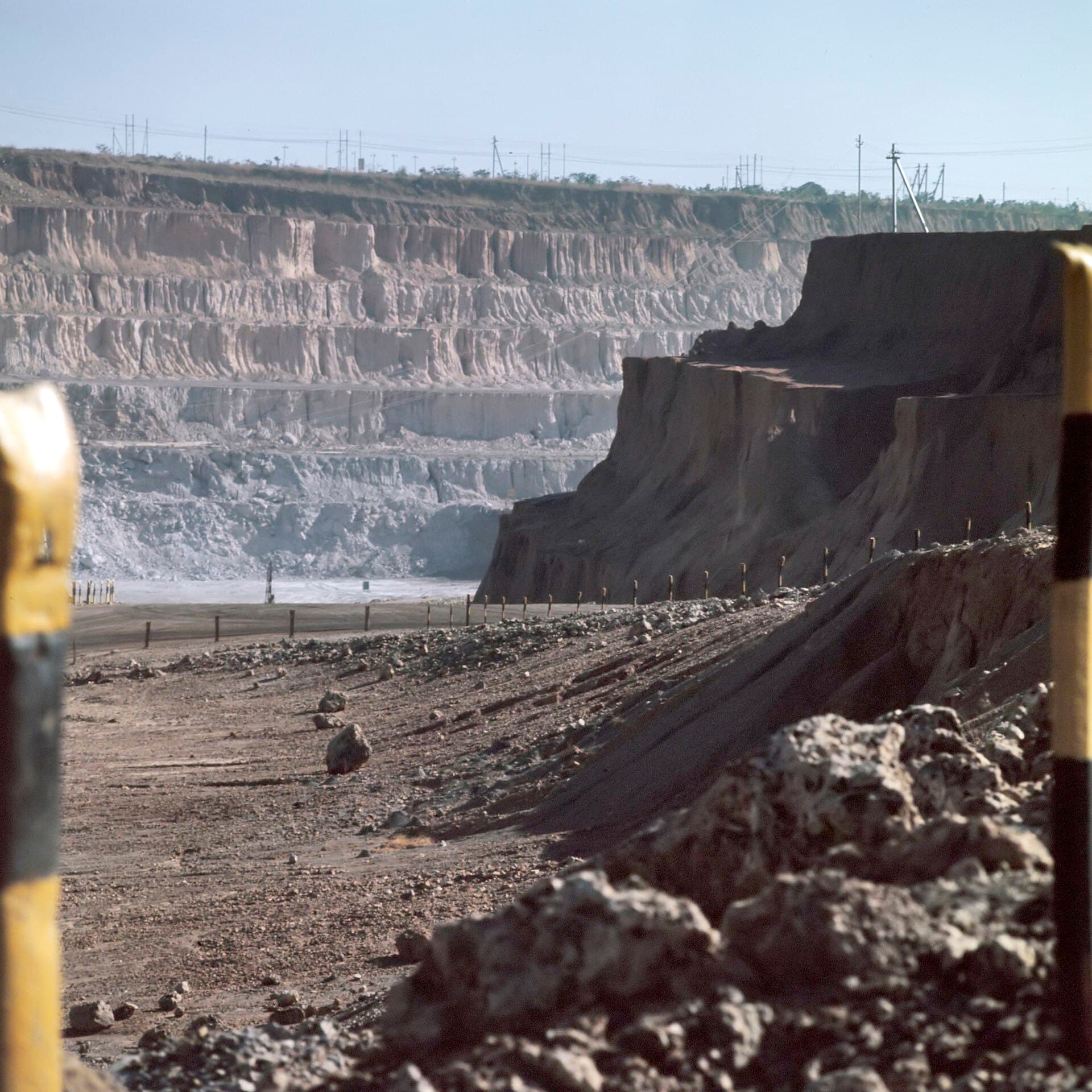
Photo: A copper mine in Kolwezi in the DRC's Katanga copperbelt region. Rob Mieremet / Anefo, Wikimedia Commons, CC BY 4.0.
Was this useful?
More from MiningWrap



The whole sector in one weekly read.
Deals, policy and markets — every Thursday.
Discussion
Loading comments…