Ivanhoe slashes 2025 copper guidance by 28% after flooding
Kakula's eastern section remains underwater as the company scraps its 2026 output target too
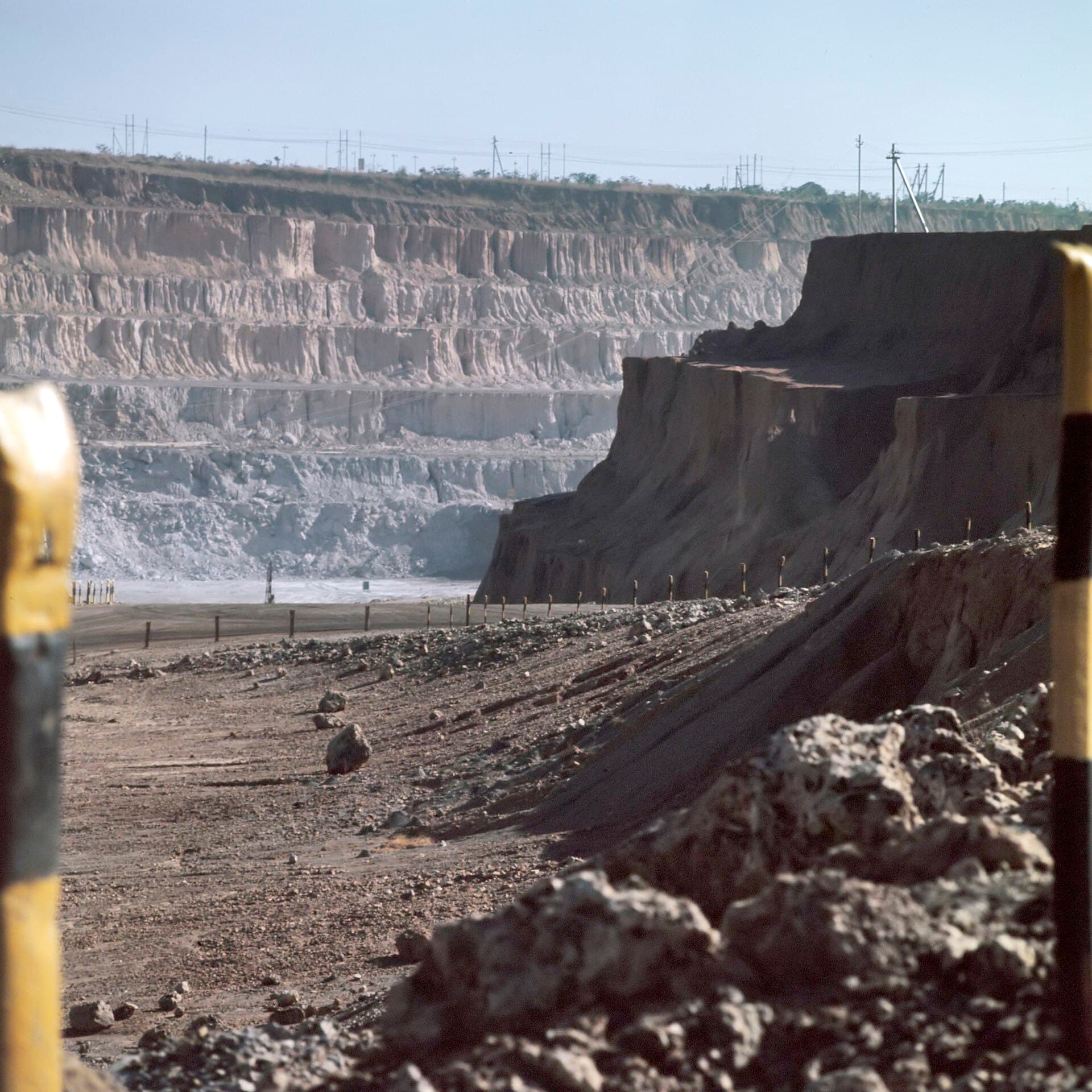
Ivanhoe Mines has slashed its annual copper production guidance to between 370,000 and 420,000 tonnes after seismic activity forced the closure of part of its Kakula mine in the Democratic Republic of Congo, more than three weeks after the initial disruption began.
The Canadian miner resumed underground operations on the western side of Kakula on 7 June, but the eastern section remained flooded. Water pumping was set to begin in August, with completion targeted for the fourth quarter. Ivanhoe had previously withdrawn its original guidance of 520,000 to 580,000 tonnes following the seismic activity and flooding in May. The company also scrapped its 2026 target of approximately 600,000 tonnes.
Analysts reassess
"This is a significant setback for the plans at Kamoa-Kakula and leaves uncertainty about 2026 and beyond production," RBC Capital Markets analysts said in a note. The disruption compounded already tight conditions in the global copper market, which had pushed smelter treatment margins into deeply negative territory as processors competed for scarce concentrate.
Zijin Mining, Ivanhoe's Chinese joint-venture partner, had remained largely silent since May, when it warned that tremors had damaged mine roofs and could affect output — an assessment Ivanhoe had initially disputed before later acknowledging the scale of the flooding.
A costly recalibration
The 28% cut to guidance underscored how much more extensive the damage proved to be than Ivanhoe's early, more optimistic public statements had suggested. For a company that had built its investment case on Kamoa-Kakula's rapid, largely trouble-free ramp-up, the episode was a reputational as well as financial setback. It also reset expectations for the broader copper market: with one of the world's fastest-growing mines suddenly producing hundreds of thousands of tonnes less than planned, forecasters were forced to push back their timelines for when new African supply would ease the market's tightness. Ivanhoe's task for the rest of the year would be to demonstrate that its phased dewatering plan could restore the mine's eastern section without further nasty surprises — a test the company would fail to fully pass, as cost estimates and timelines continued to slip through the second half of 2025.
Sources
Photo: A copper mine in Kolwezi in the DRC's Katanga copperbelt region. Rob Mieremet / Anefo, Wikimedia Commons, CC BY 4.0.
Was this useful?
More from MiningWrap

The whole sector in one weekly read.
Deals, policy and markets — every Thursday.
Discussion
Loading comments…