
Lobito Atlantic Railway restarts DRC copper trains after flood damage
A two-month gap in the Lobito Corridor's Angolan section ends with the arrival of the first cross-border copper train from the DRC
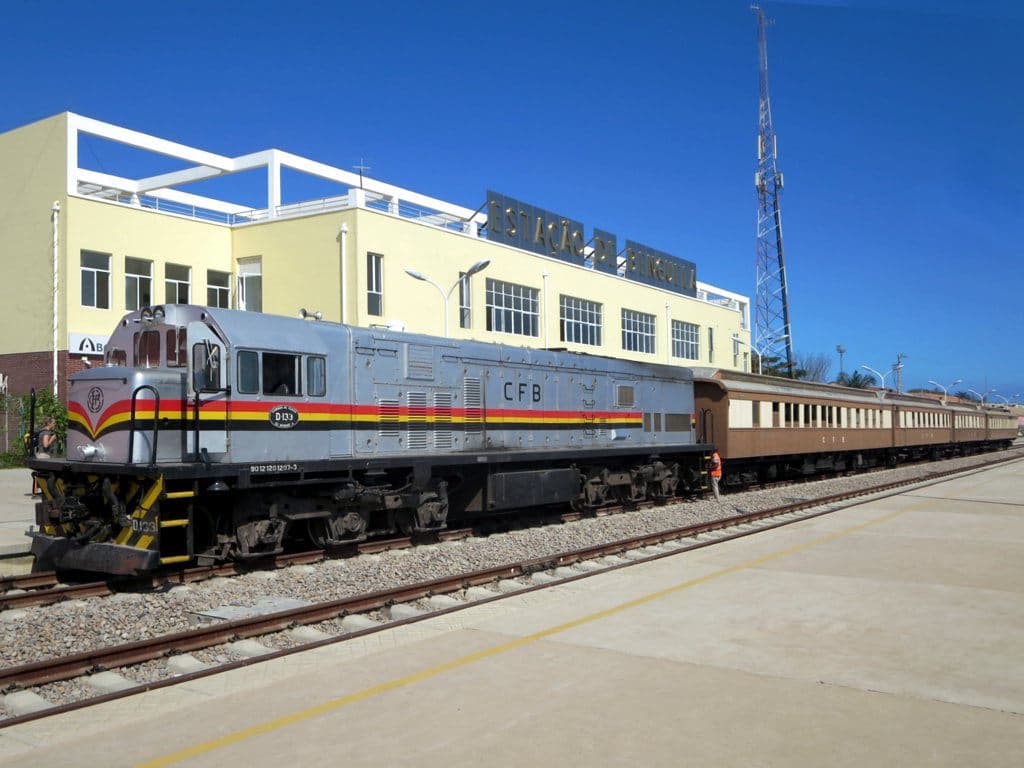
Lobito Atlantic Railway has received its first copper train from the Democratic Republic of Congo since severe flooding in Angola's Benguela province cut the Lobito-Huambo section of the line in April 2026, halting cross-border traffic on the US- and EU-backed corridor for roughly two months.
The operator said the arrival of the international train demonstrated "the resilience of our operations and the extraordinary commitment of our teams", according to chief executive Nicholas Fournier. During the disruption, Lobito Atlantic Railway kept trains running on the more than 1,000-kilometre Huambo-Luau section inside Angola and used a multimodal contingency arrangement through its Dango platform to keep some cargo moving, before emergency repair crews restored the damaged stretch.
A young corridor's first real test
The Lobito Corridor links copper and cobalt mines in the DRC's Lualaba province, via a rail concession awarded to Lobito Atlantic Railway in 2022, to the Angolan port of Lobito on the Atlantic coast — an alternative to the longer, more congested routes south through Durban or east through Dar es Salaam. Since commercial operations began in January 2024, the corridor has become a proof of concept for Western-backed mineral logistics in central Africa, and the April floods were its first major operational disruption.
Lobito Atlantic Railway, whose shareholders include Trafigura, Mota-Engil and Vecturis, said recovery efforts have moved into a second phase focused on making the line more resilient to future extreme weather, after emergency works restored the Lobito-Huambo link.
Why the interruption mattered
The flood damage briefly forced Congolese copper exporters back onto the more congested southern African road and rail routes, a reminder that the corridor's promised savings in time and cost depend on a single rail line with limited redundancy. With Kamoa-Kakula and other Congolese copper operations increasingly counting on Lobito to move concentrate and blister copper to global markets, further weather-related outages would test both the corridor's engineering and the patience of the mining companies now planning around it as a permanent export route rather than a pilot project.
Sources
- Lobito Atlantic Railway: Lobito Atlantic Railway resumes freight traffic on the Lobito corridor with first copper train from the DRC, 15 Jun 2026
- Bloomberg: Angola's Lobito Railway Receives First Congo Copper Shipment After Flood Repairs, 15 Jun 2026
Photo: Benguela railway station in Angola, on the route used by the Lobito Corridor. David Stanley from Nanaimo, Canada, Wikimedia Commons, CC BY 2.0.
Was this useful?
More from MiningWrap
Lobito rail resumes Congo copper shipments after flood repairs
Kamoa-Kakula's copper smelter ships first anodes via the Lobito Corridor
Angola floods halt Lobito Corridor rail, disrupting Congo copper exports
The whole sector in one weekly read.
Deals, policy and markets — every Thursday.
Discussion
Loading comments…