Lobito Corridor could double cargo to 800,000 tonnes after $300m boost
New wagons and track repairs funded by a $753m package aim to lift capacity as US pushes for Africa's critical minerals
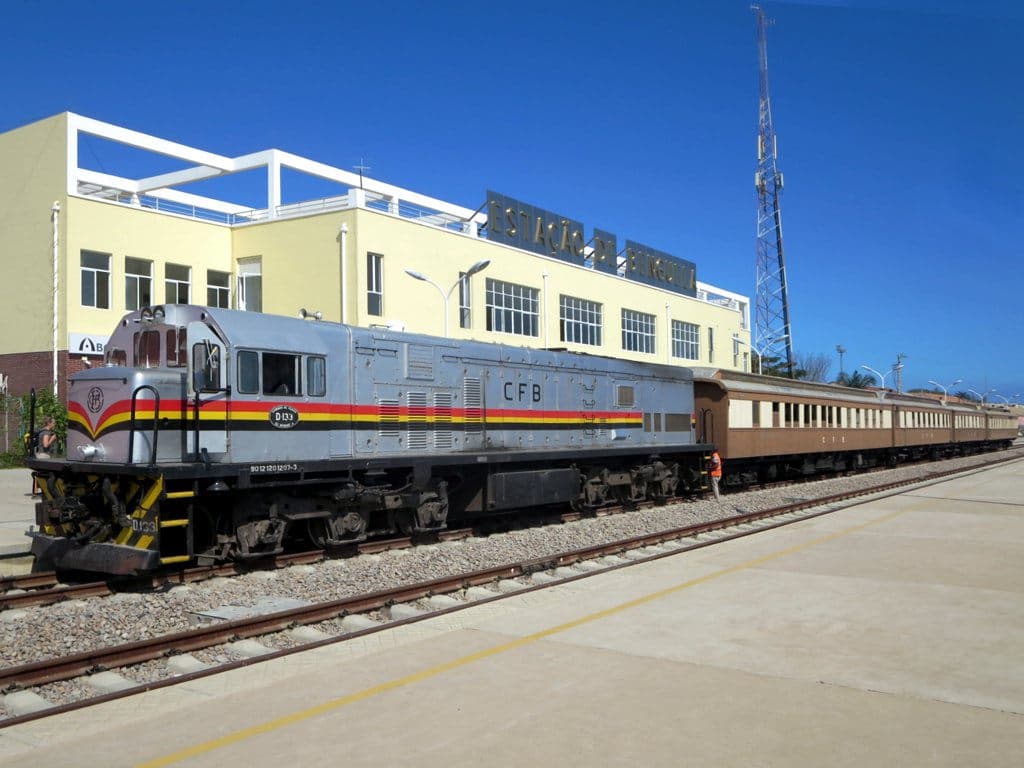
Lobito Atlantic Railway is set to double its international cargo volumes next year after tapping into a $753m funding package to expand capacity and improve operations along the corridor linking Congolese copper mines to the Atlantic.
The company received a $300m boost in June, allowing it to buy new wagons, repair tracks and enhance cooperation between Angola and the Democratic Republic of Congo. Currently, half of Lobito Atlantic Railway's cargo consists of copper and cobalt shipped from the DRC to Angola's Atlantic port, with freight targets rising to 800,000 tonnes by 2027 as demand from Congolese mines surges.
From proof of concept to serious infrastructure
The corridor has emerged as a crucial supply route for critical minerals, drawing US investment aimed at reducing reliance on Chinese-linked mineral export routes through southern and eastern Africa. The doubling of planned capacity came less than six months after flooding had closed a section of the same line for two months, and only three months after Mota-Engil moved to take on a 30-year, $1bn US-backed concession to rehabilitate and operate the railway's Congolese section.
A corridor coming of age
Taken together, the sequence of events over 2026 — first shipment, flood closure, resumption, expanded funding, and a long-term operating concession — traced the path of a piece of infrastructure moving from a geopolitically symbolic pilot project towards a genuinely significant commercial artery for Congolese copper exports. Whether the corridor could sustain that trajectory would depend on continued investment in flood resilience and on Congolese miners' willingness to commit long-term offtake volumes to a route still younger and less proven than the well-established southern African rail and road corridors it was competing against. With Ivanhoe, Trafigura and Aurubis having already demonstrated a working low-carbon copper supply chain along the line, the additional capacity gave other Katanga and Lualaba producers a stronger incentive to shift volumes away from more congested alternatives.
Sources
Photo: A railway station on the Benguela line, part of the Lobito Corridor linking DRC copper mines to the Atlantic coast. David Stanley from Nanaimo, Canada, Wikimedia Commons, CC BY 2.0.
Was this useful?
More from MiningWrap
Angola floods halt Lobito Corridor rail, disrupting Congo copper exports

Zambia and DRC sign new deal to cut Kasumbalesa truck queues
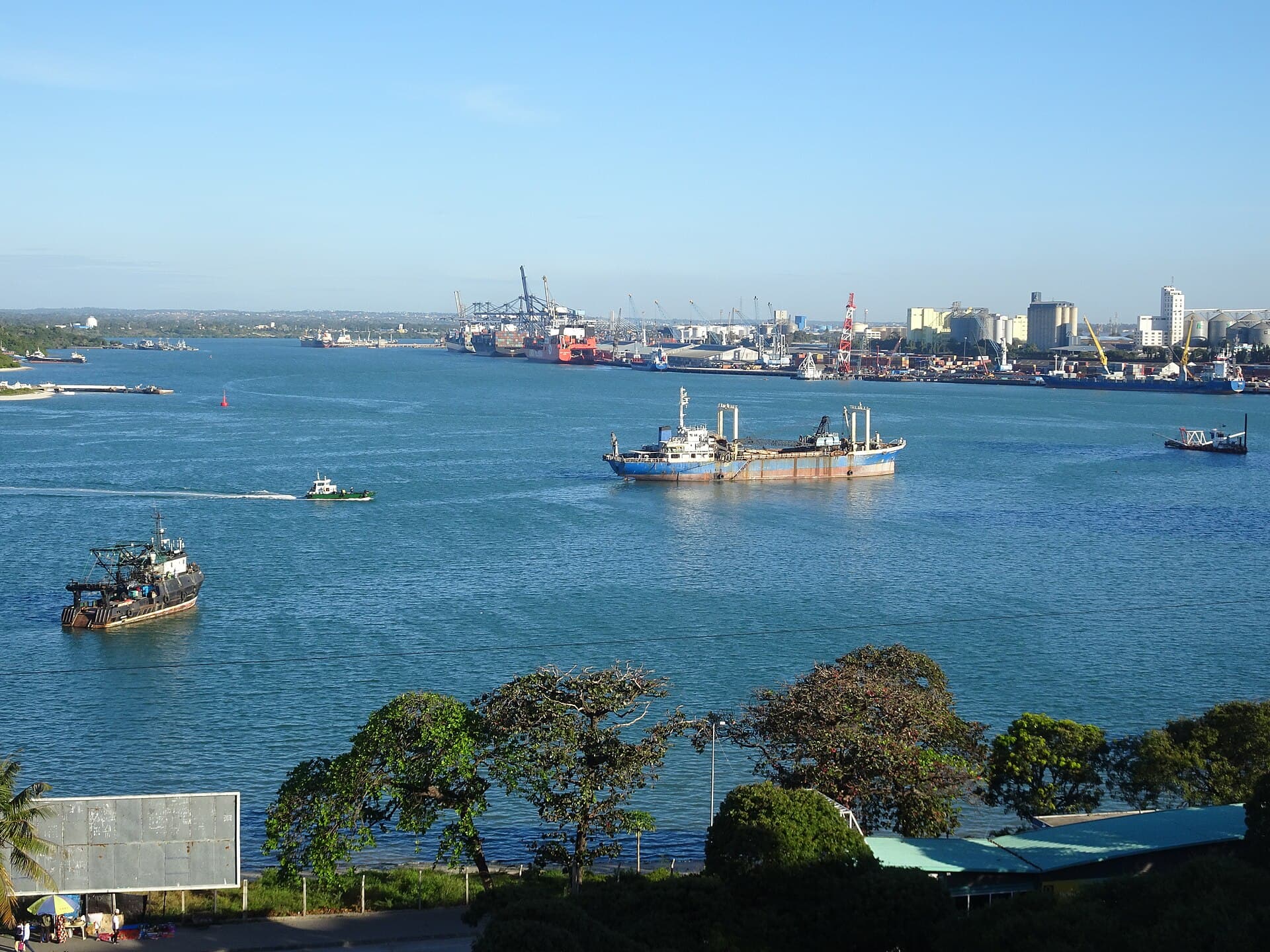
Tanzania expands Dar es Salaam port as DRC plans dedicated mineral dry port
Lobito Atlantic Railway restarts DRC copper trains after flood damage
The whole sector in one weekly read.
Deals, policy and markets — every Thursday.
Discussion
Loading comments…