Kamoa-Kakula's copper smelter ships first anodes via the Lobito Corridor
Africa's largest copper smelter reached 60% of design capacity in early 2026, with concentrate supply now the limiting factor on faster ramp-up
Ivanhoe Mines' new copper smelter at the Kamoa-Kakula complex in the DRC produced 63,671 tonnes of copper in anode during the first quarter of 2026, together with a further 7,746 tonnes of copper in blister toll-treated at the nearby Lualaba Copper Smelter, for a combined 71,417 tonnes — equivalent to roughly 60% of the smelter's design capacity. The facility, with a nameplate capacity of 500,000 tonnes of 99.7%-pure copper anode a year, is being billed by Ivanhoe as Africa's largest copper smelter.
In a milestone for the plant's export logistics, Kamoa-Kakula sent its first shipment of copper anode to European refiners along the Lobito Railway Corridor during the quarter, cutting transit time to roughly seven days — a marked improvement on the multi-week journeys previously required via southern African routes. Ivanhoe co-chair Robert Friedland and chief executive Marna Cloete said the company expects annualised copper anode production to exceed 500,000 tonnes from 2028 onwards, once the smelter is fully ramped up.
Concentrate, not the smelter, is the constraint
Ivanhoe said further ramp-up of the smelter is currently constrained by the availability of copper concentrate feed rather than by the plant's own technical performance, and management is evaluating buying and toll-treating third-party concentrate from other Congolese producers to keep the furnaces running closer to capacity. For 2026 as a whole, the company has guided to between 290,000 and 330,000 tonnes of copper in anode or blister.
Why the smelter matters beyond Kamoa-Kakula
A large, modern, on-site smelter changes the economics of DRC copper exports: instead of shipping bulky, lower-value concentrate overseas for processing, Kamoa-Kakula can now export higher-value anode, and potentially treat concentrate from other mines in the region for a fee. Combined with new export routes like Lobito, the smelter is part of a broader shift toward capturing more processing value inside the DRC rather than exporting raw material — though for now, the pace of that shift is set by how much concentrate Ivanhoe and its partners can secure to feed the furnaces.
Sources
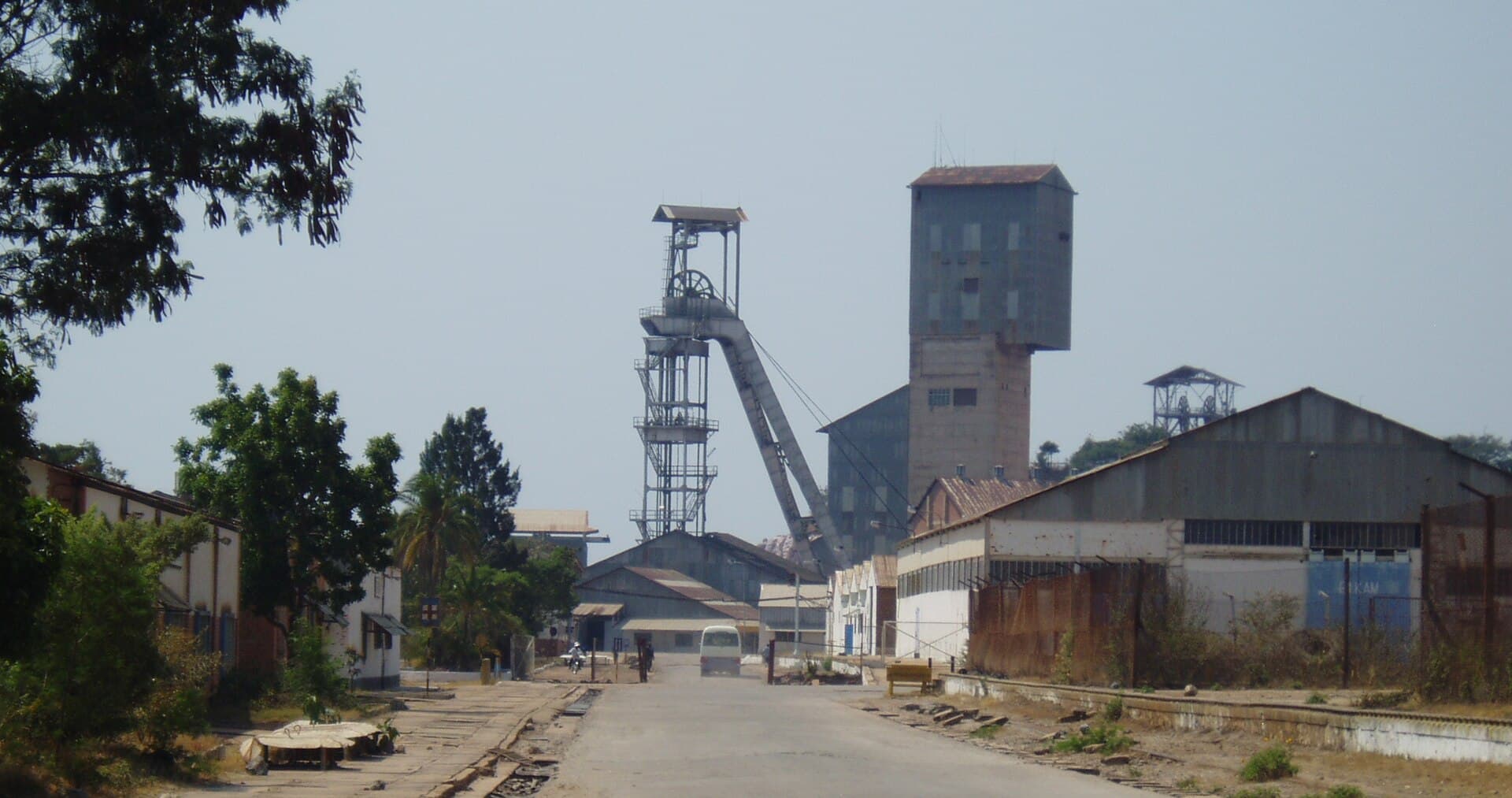
Photo: A copper mine near Kolwezi in the Democratic Republic of Congo's Lualaba province, the region feeding the Kamoa-Kakula smelter. Martin Tuchscherer, Wikimedia Commons, CC BY-SA 3.0.
Was this useful?
More from MiningWrap
Lobito Corridor operator plans to double mineral cargo in 2026
Lobito rail resumes Congo copper shipments after flood repairs
Lobito Atlantic Railway restarts DRC copper trains after flood damage
Angola floods halt Lobito Corridor rail, disrupting Congo copper exports
The whole sector in one weekly read.
Deals, policy and markets — every Thursday.
Discussion
Loading comments…