
Harmony Gold Generates 70 GWh of Power from Underground Mine Water
Harmony Gold has generated 70 gigawatt-hours (GWh) of electricity by converting pressure from chilled water travelling through its deep-level gold mines into power, recovering energy that would otherwise go unused.
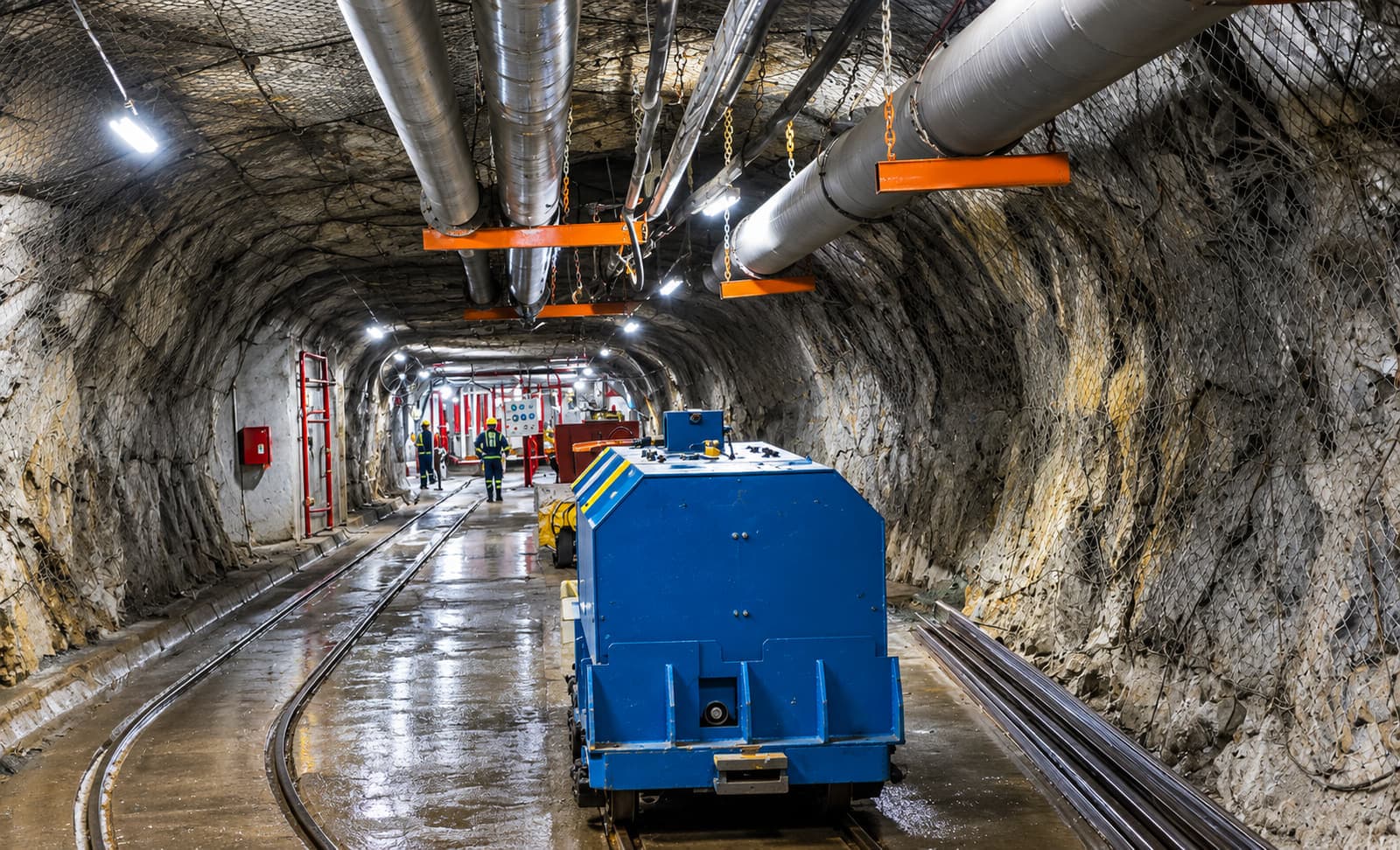
Harmony Gold has generated 70 gigawatt-hours (GWh) of electricity by converting pressure from chilled water travelling through its deep-level gold mines into power, recovering energy that would otherwise go unused.
The system has helped the mining group avoid approximately 73,000 tonnes of carbon dioxide equivalent emissions since financial year 2024, according to information presented by Harmony’s Strategic Lead for Climate and Integration, Mohammed Asmaljee, at the Minerals Council South Africa’s Climate Change Day of Learning.
Turning water pressure into electricity
Harmony operates the hydropower systems at its Kusasalethu, Moab Khotsong and Mponeng mines. As chilled water travels thousands of metres underground, gravity increases its pressure. Turbines capture some of that energy and convert it into electricity before the water continues through the mine’s existing distribution network.
The process does not require additional water consumption. Instead, it recovers energy from water already needed for underground cooling and other mining operations.
At Kusasalethu, four Pelton wheel turbines supply electricity directly to the mine. Harmony has also implemented a multi-phase rehabilitation programme to improve the turbines’ reliability, performance and monitoring.
The system delivers another operational benefit: Harmony reported that the process reduced water temperatures by 1°C, improving underground cooling efficiency and lowering cooling demand.
Cutting electricity costs and emissions
Electricity consumption is a major challenge for South Africa’s deep-level mines, which need substantial power for refrigeration, ventilation, pumping, hoisting and mineral processing. Harmony’s Scope 2 emissions largely come from electricity purchased from Eskom.
Recovering energy from mine water helps reduce that reliance, although it does not replace the need for a broader electricity strategy.
Harmony is also expanding its renewable-energy supply. Its 30 MW Sungazer 1 solar project began contributing to the company’s renewable-energy programme in financial year 2024. The group expects its 100 MW Sungazer 2 project to be operational by early 2027, while its longer-term plans include approximately 900 MW of behind-the-meter and wheeled electricity capacity.
The company has reported more than R3 billion in direct savings from its wider energy-efficiency programme. The hydropower figures demonstrate how improving existing mine infrastructure can contribute to that effort.
Harmony’s target is to achieve net-zero emissions by 2045, while continuing to expand its gold and copper operations.
Was this useful?
More from MiningWrap
US-backed Lobito deal between DRC and Angola targets week-long copper transit
Mota-Engil lines up $1bn US-backed concession for Congo copper railway
Sibanye-Stillwater's renewable power push passes 160MW as miners race to cut Eskom reliance

Zambia and DRC sign new deal to cut Kasumbalesa truck queues
The whole sector in one weekly read.
Deals, policy and markets — every Thursday.
Discussion
Loading comments…