
CrossBoundary switches on solar and battery plant at Kamoa copper mine
A 233MWp solar array and battery system now supplies at least 30MW of round-the-clock renewable power
CrossBoundary Energy says its solar photovoltaic and battery energy storage facility for Kamoa Copper SA has reached commercial operation, supplying at least 30MW of round-the-clock baseload power from the sun to Africa's largest copper mining complex.
Kamoa Copper, a joint venture between Ivanhoe Mines, Zijin Mining Group and the DRC government, signed the power purchase agreement with CrossBoundary Energy in April 2025. The system consists of a 233MWp solar array and a 123MVA/526MWh battery storage system, designed to supply firm, dispatchable renewable electricity rather than the intermittent output typical of unbacked solar generation.
Cheaper than diesel, faster than hydropower
CrossBoundary said firm renewable electricity costs had fallen by around 50% over five years, making solar-plus-storage cheaper than conventional thermal baseload generation, and that the project's speed of delivery meant Kamoa-Kakula would receive cheaper and cleaner electricity years ahead of other power-supply options. "Achieving this milestone with Kamoa Copper S.A. is a significant step to mainstreaming round-the-clock renewable power. It proves how quickly clean, stable energy can be deployed – and the great potential of renewable energy solutions to support the mining sector's ambitious growth," said Gracia Munganga, CrossBoundary's development director for the DRC, thanking regulators and provincial officials for backing the project.
Diversifying away from diesel and the grid
The plant added a third pillar to Kamoa-Kakula's power mix, alongside domestic and imported hydroelectricity and on-site backup generation, reducing the complex's exposure to both diesel price volatility and the intermittent supply constraints of the DRC's state utility, SNEL. For a mine whose commissioning had once been delayed by power shortages, and whose broader region continued to grapple with electricity shortfalls affecting smaller operators, the rapid deployment of dedicated solar-plus-storage capacity offered a template other Congolese copper producers were likely to study closely as they weighed their own options for reliable, lower-cost power. Ivanhoe said it intended to expand Kamoa-Kakula's solar baseload capacity further as copper production grows, suggesting this first phase was a pilot for a much larger renewable build-out rather than a one-off addition to the mine's energy mix.
Sources
- International Mining: CrossBoundary Energy starts up solar PV and BESS facility at Kamoa Copper operations, 31 Aug 2026
- Business Insider Africa: Africa's largest copper complex switches on the continent's first round-the-clock solar battery plant, 27 Aug 2026
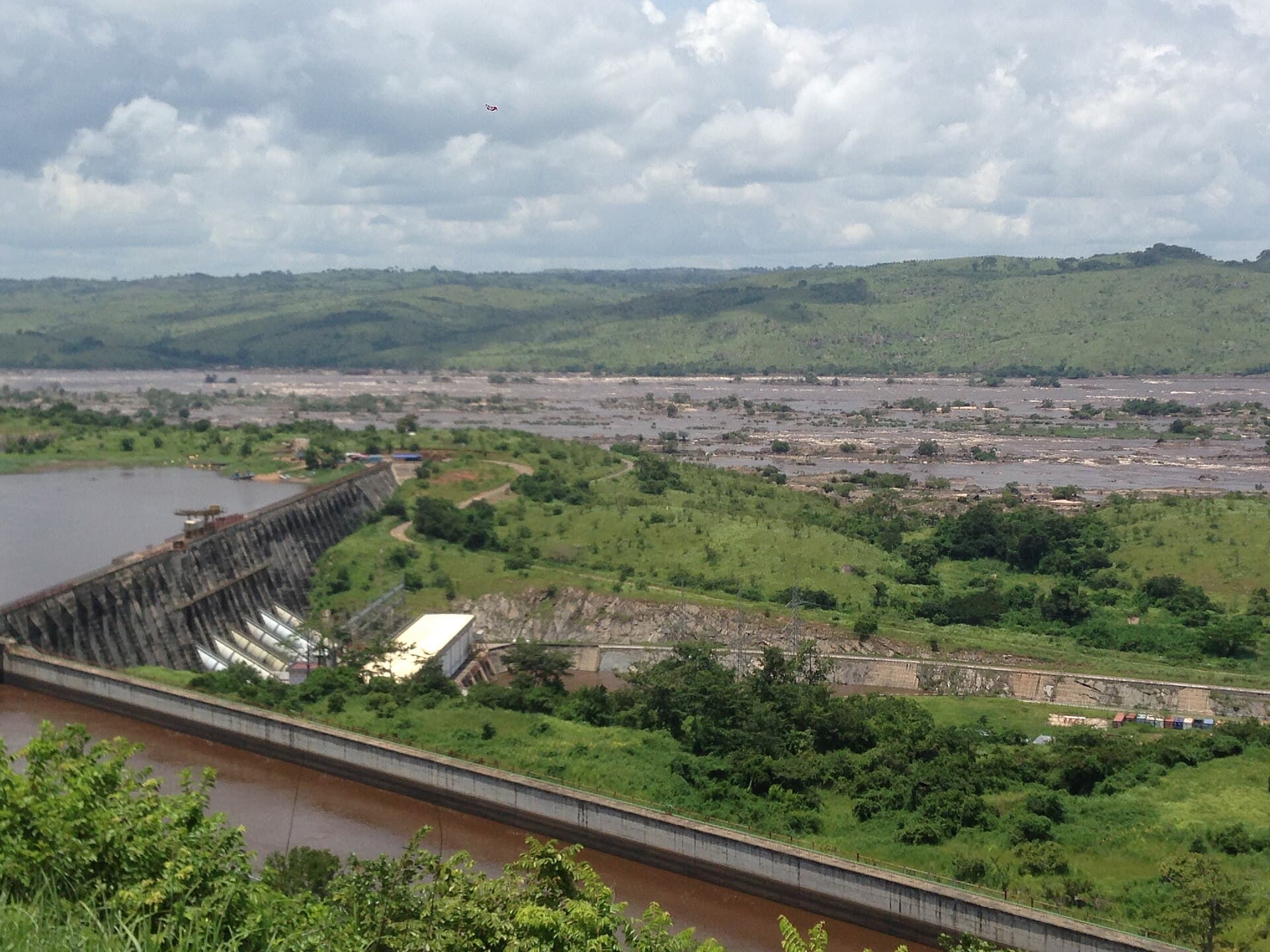
Photo: A hydropower facility on the Congo River, part of the DRC's mix of power sources for copper mining. Χρίστος Ιμμανοελ, Wikimedia Commons, CC BY-SA 4.0.
Was this useful?
More from MiningWrap
World Bank financing for DRC's Inga 3 dam takes effect, starting a governance sprint
Ivanhoe's Inga II hydropower deal lifts Kamoa-Kakula's clean-power supply toward 100MW

The whole sector in one weekly read.
Deals, policy and markets — every Thursday.
Discussion
Loading comments…