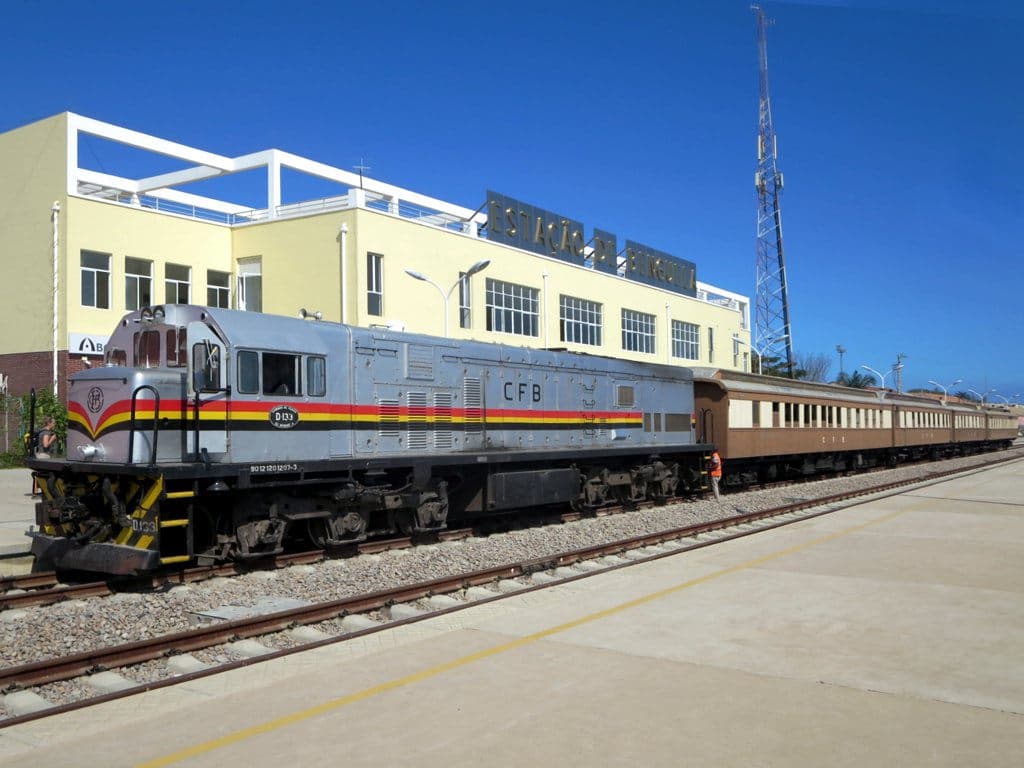
Lobito Corridor could double cargo to 800,000 tonnes after $300m boost
Lobito Atlantic Railway is set to double its international cargo volumes to 800,000 tonnes by 2027 after a $300m funding boost to expand capacity along the corridor.
Lobito Atlantic Railway is set to double its international cargo volumes to 800,000 tonnes by 2027 after a $300m funding boost to expand capacity along the corridor.
The DRC and Angola have signed a new US-backed agreement on the Lobito Corridor, aiming to cut copper and cobalt transit times from roughly 30 days to a week or less as Washington competes with Chinese-backed routes.
Mota-Engil is set to sign a 30-year concession to rehabilitate and operate the DRC section of the Lobito Corridor railway, backed by up to $1bn in US financing.
Lobito Atlantic Railway is aiming to roughly double the tonnage of copper and cobalt it carries in 2026, as weekly train frequency rises toward a longer-term capacity target of 4.6 million tonnes a year.
Ivanhoe Mines' Kamoa-Kakula smelter produced 63,671 tonnes of copper anode in the first quarter of 2026, about 60% of design capacity, and sent its first shipment to Europe via the Lobito Corridor.
Flooding in western Angola suspended rail traffic on the Lobito Corridor, disrupting a key export route for copper and cobalt from the DRC to the Atlantic port of Lobito.
Ivanhoe Mines made its first copper export via the Lobito Corridor, shipping high-purity anodes from its new Kamoa-Kakula smelter to Germany's Aurubis for low-carbon refining.
The US International Development Finance Corporation signed a $553m loan on 17 December 2025 as part of a $753m package, with the Development Bank of Southern Africa, to rehabilitate Angola's Benguela railway and Lobito port for Copperbelt exports.