DRC replaces cobalt export ban with annual quotas capped at 96,600 tonnes
From 16 October 2025 the DRC ended its outright cobalt export ban and introduced producer-by-producer quotas. Exports are limited to 18,125 tonnes for the rest of 2025 and 96,600 tonnes a year in 2026 and 2027.
Authority for the Regulation and Control of Strategic Mineral Substances' Markets (ARECOMS)
Democratic Republic of Congo
- Draft
- Comment
- In force15 Oct 2025
At a glance
- In force
- Export controls
- Authority for the Regulation and Control of Strategic Mineral Substances' Markets (ARECOMS)
- Democratic Republic of Congo
- Cobalt
- 15 October 2025
- 21 September 2025
The Democratic Republic of Congo lifted its eight-month suspension of cobalt exports on 16 October 2025 and replaced it with a quota system that will run until the end of 2027. The framework, announced by ARECOMS in September 2025, sets a national ceiling of 18,125 tonnes for the remainder of 2025 and 96,600 tonnes in each of 2026 and 2027.
How the quotas work
Allocations are based largely on each company's historical export volumes. Ten per cent of the national volume is held back for projects the state regards as strategic, and the regulator has the power to buy back excess stocks each quarter. Of the 2026 ceiling, 87,000 tonnes is assigned to producers, equivalent to about 7,250 tonnes a month, with 9,600 tonnes held as a strategic allowance that ARECOMS can release at its discretion.
The cap is less than half of what the country produced in 2024, a sharp and deliberate reduction in supply from the world's dominant producer. CRU has estimated that more than 200,000 tonnes of cobalt has built up in stockpiles inside the country since 2024.
Industry split
The producers reacted differently. Glencore, which operates Kamoto Copper Company, was reported to support managed supply as a way of restoring prices. CMOC Group, whose two large Congolese mines had driven the surge in output, had lobbied for the ban to be lifted without restrictions. Together with Eurasian Resources Group, those companies hold more than 60% of the total quota.
Artisanal and small-scale output, which is harder to trace, complicates enforcement and has raised questions from buyers about whether quota shipments can be separated from informal material.
Why it matters
The quota regime converts a temporary emergency measure into a medium-term market-management tool. Cobalt prices have risen sharply since the restrictions began, benefiting the Congolese treasury and producers that hold allocations. ARECOMS has said it can adjust volumes quarterly if the market becomes significantly unbalanced.
Sources
- Mining Technology: DRC to lift cobalt export ban and launch quotas from October 2025, 23 Sept 2025
- Reuters: Congo to replace cobalt export ban with quotas from Oct 16, 21 Sept 2025
- Miningmx: Congo to claw back unused cobalt quotas, 30 Jun 2026
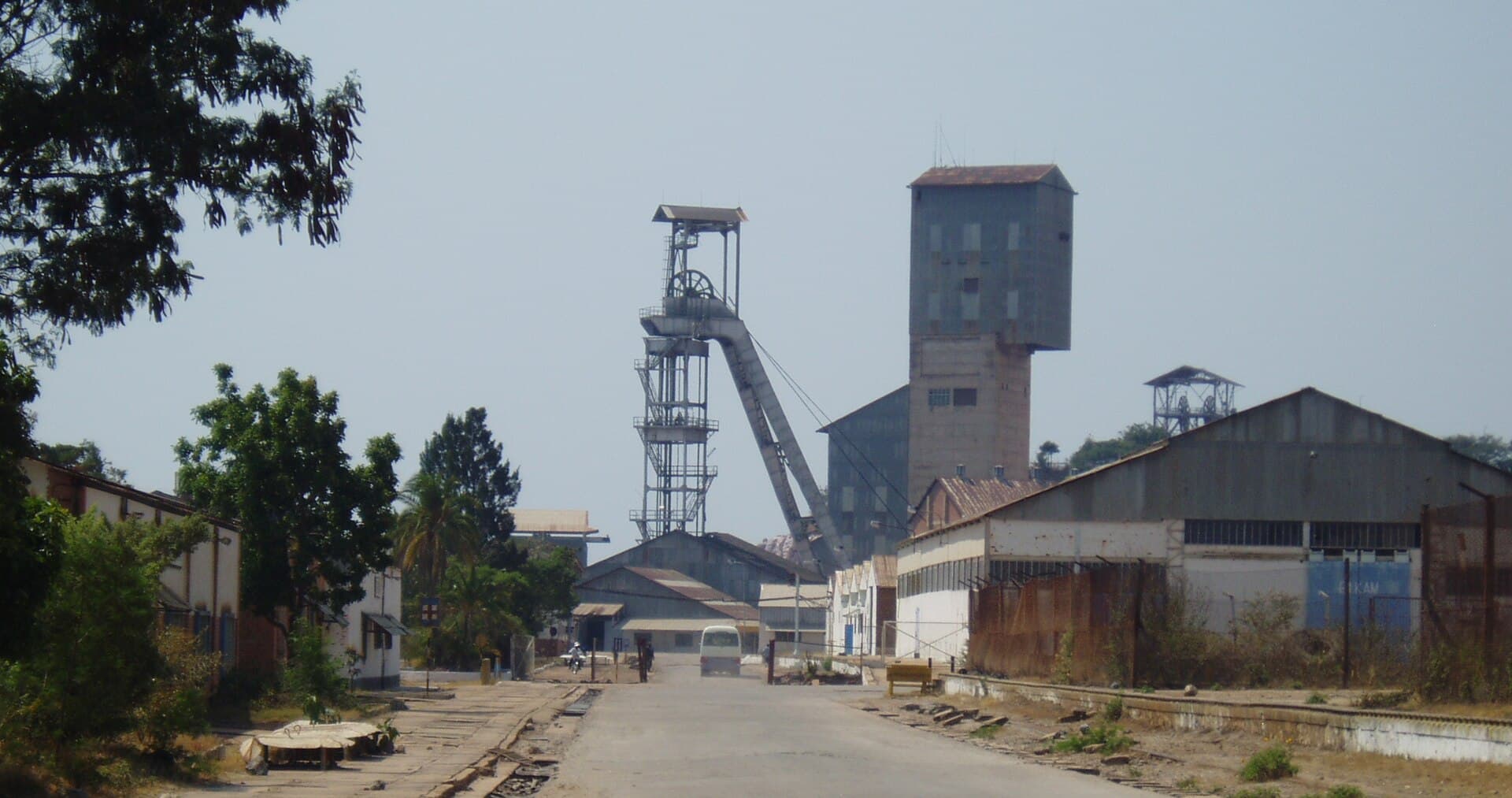
Photo: Open-pit workings at the Kamoto copper-cobalt mine near Kolwezi. Martin Tuchscherer, Wikimedia Commons, CC BY-SA 3.0.
Was this useful?
Discussion
Loading comments…