DRC bans exports of copper and cobalt concentrates
A June 2026 inter-ministerial order, made public in August, prohibits exports of copper and cobalt concentrates with immediate effect, allowing only one-year waivers in strategic circumstances. It also introduces a tax on economically significant mining by-products.
DRC Ministries of Mines, Foreign Trade and Economy
Democratic Republic of Congo
- Draft
- Comment
- In force28 Jun 2026
At a glance
- In force
- Export controls
- DRC Ministries of Mines, Foreign Trade and Economy
- Democratic Republic of Congo
- Copper, cobalt
- 28 June 2026
- 6 August 2026
The Democratic Republic of Congo has prohibited the export of copper concentrate and cobalt concentrate, stepping up its push to force processing onshore. The order, dated 29 June 2026 and signed by mines minister Louis Kabamba Watum, foreign trade minister Julien Paluku Kahongya and economy minister Daniel Mukoko Samba, became public on 6 August 2026 when Reuters reported its contents.
What the order does
The ban takes effect immediately. The government may grant export waivers of up to one year in what the order calls strategic circumstances, but it did not define them. The new order repeals the 2023 concentrate ban and the exemptions granted under it, replacing them with a broader framework for mineral exports. It also creates a tax regime, with a three-month transition, for economically significant by-products: trace and ultra-trace minerals recovered during refining are to be valued using a 55% coefficient and charged royalties alongside the main mineral.
The DRC has tried to stop concentrate exports before, in 2013, 2019 and 2023, but each time allowed waivers where local smelting capacity fell short.
Who is affected
Most Congolese copper already leaves the country as refined cathode. Official data show 696,725 tonnes of cathode exported in the first quarter of 2026, against 53,926 tonnes of concentrate containing 18,863 tonnes of copper. Cobalt hydroxide, of which 51,940 tonnes was shipped in the same quarter, is treated separately under the cobalt quota system.
Analysts identified the Kamoa-Kakula joint venture of Ivanhoe Mines, Zijin Mining and the state as the operation most exposed, because it still exports some concentrate under exemptions.
Market reaction
Benchmark three-month copper on the London Metal Exchange rose by as much as 1.8% to $14,369.50 a tonne after the report, close to its January 2026 record. BMI, the research unit of Fitch Solutions, later said it did not expect a material impact on copper or cobalt markets because concentrate is a small share of Congolese exports.
The order is the latest in a run of measures, including cobalt quotas and tighter control of geological data, through which Kinshasa is seeking to capture more of the value from its mines.
Sources
- TimesLIVE (Reuters): DRC bans copper and cobalt concentrates exports, 06 Aug 2026
- Africanews: DR Congo: Government bans export of copper and cobalt concentrates, 06 Aug 2026
- Mining Weekly: No material impact anticipated for copper, cobalt market from DRC policy shift – BMI, 12 Aug 2026
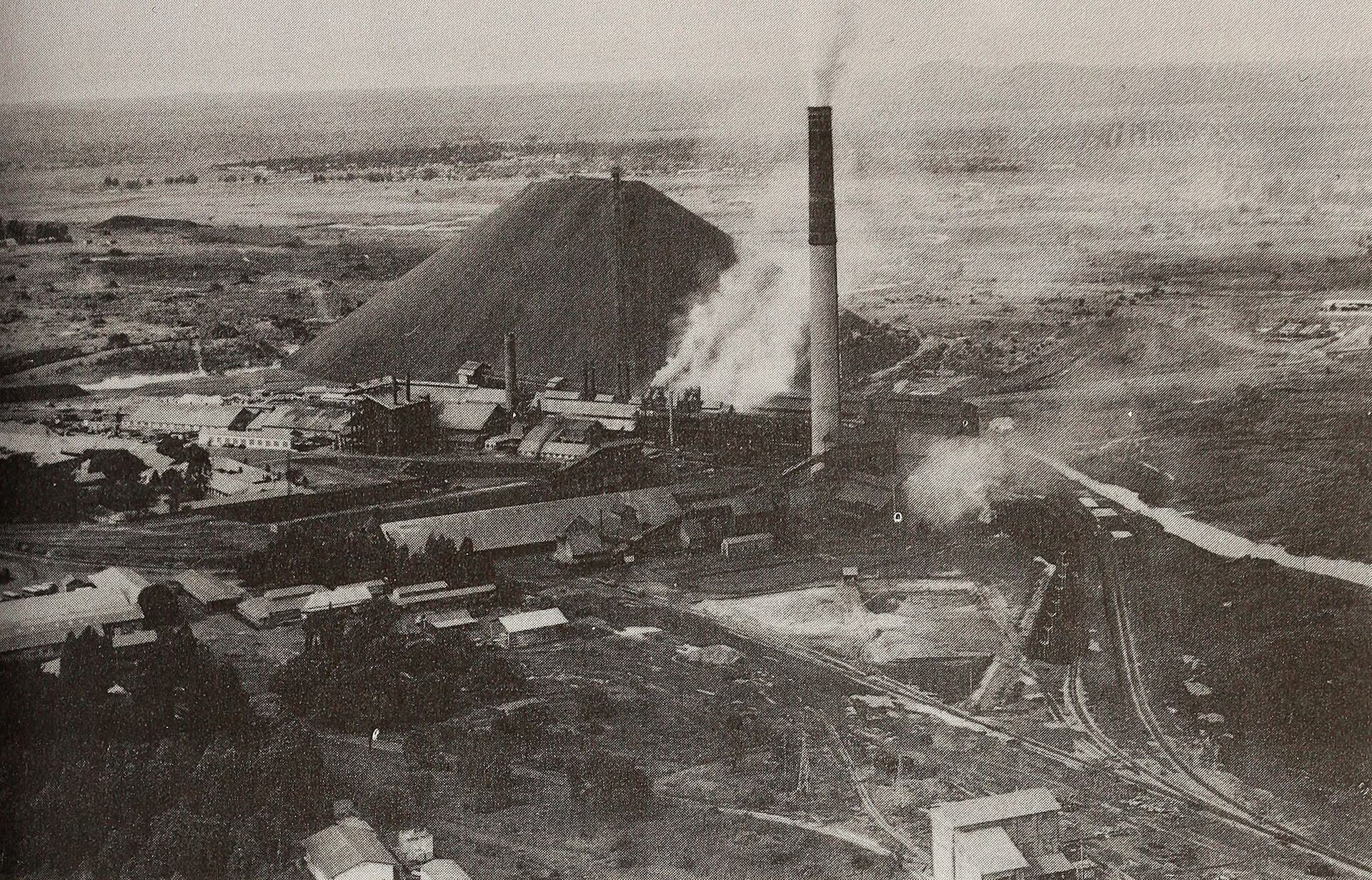
Photo: The Gecamines copper smelter in Lubumbashi, DRC. Gécamines (Zairian company), Wikimedia Commons, Public domain.
Was this useful?
Discussion
Loading comments…