ARECOMS claws back unused cobalt quotas into state strategic allowance
Congo's strategic minerals regulator ruled that cobalt export quotas not used in the first half of 2026 would be forfeited and moved into a state-controlled strategic allocation. In August it said it did not plan to change quota volumes despite a price pullback.
Authority for the Regulation and Control of Strategic Mineral Substances' Markets (ARECOMS)
Democratic Republic of Congo
- Draft
- Comment
- In force29 Jun 2026
At a glance
- In force
- Export controls
- Authority for the Regulation and Control of Strategic Mineral Substances' Markets (ARECOMS)
- Democratic Republic of Congo
- Cobalt
- 29 June 2026
- 30 June 2026
Cobalt producers in the Democratic Republic of Congo lost the right to any export quota they had not used by 30 June 2026, under rules applied by ARECOMS, the regulator for strategic mineral markets. The forfeited tonnage is transferred to the regulator's strategic allowance, which the state intends to use to support local processing and value-addition projects.
Background
The DRC has capped cobalt exports since October 2025, when an eight-month export ban was replaced with quotas. The 2026 ceiling is 96,600 tonnes, of which 87,000 tonnes is allocated to producers and 9,600 tonnes reserved for the state. In April 2026 the regulator described the reserved volume as a strategic reserve intended to give Kinshasa more influence over supply and prices.
Nearly 62,000 tonnes had been authorised for export between October 2025 and the end of June 2026, and Darton Commodities estimated that about two-thirds had actually shipped. CMOC Group, Glencore and Eurasian Resources Group hold more than 60% of the total quota across five operations. The regulator did not say which companies would lose volume.
Market effect
Cobalt prices had risen by more than 160% since the restrictions began, and CRU estimated that over 200,000 tonnes of cobalt had accumulated in stockpiles inside the country since 2024. Analysts said the effect of the clawback on market tightness would depend on how much tonnage was forfeited and how quickly the state released it. In early July exporters also raised concerns that an administrative glitch in the government's system could cost them allocations.
On 6 August 2026 ARECOMS said it did not intend to modify quota volumes for the coming months, despite a fall in cobalt hydroxide prices, although it retains the power to cut volumes if the market becomes significantly unbalanced.
Why it matters
The forfeiture rule tightens the incentive to ship allocations promptly and hands the state a growing pool of tonnage it can direct towards preferred buyers or domestic refining projects. Commentators have noted that moving unused rights into a strategic quota does not create a physical stockpile, leaving open questions about ownership, storage and financing of any material the state controls.
Sources
- Miningmx: Congo to claw back unused cobalt quotas, 30 Jun 2026
- Reuters: Congo creates strategic cobalt reserve to influence supply and prices, regulator says, 16 Apr 2026
- Mining.com.au: GEM Mining: Congo's cobalt reserve is not a normal stockpile, 21 Jul 2026
- Fastmarkets: DRC may reduce cobalt quota if market needs rebalancing, ARECOMS says: exclusive, 12 Aug 2026
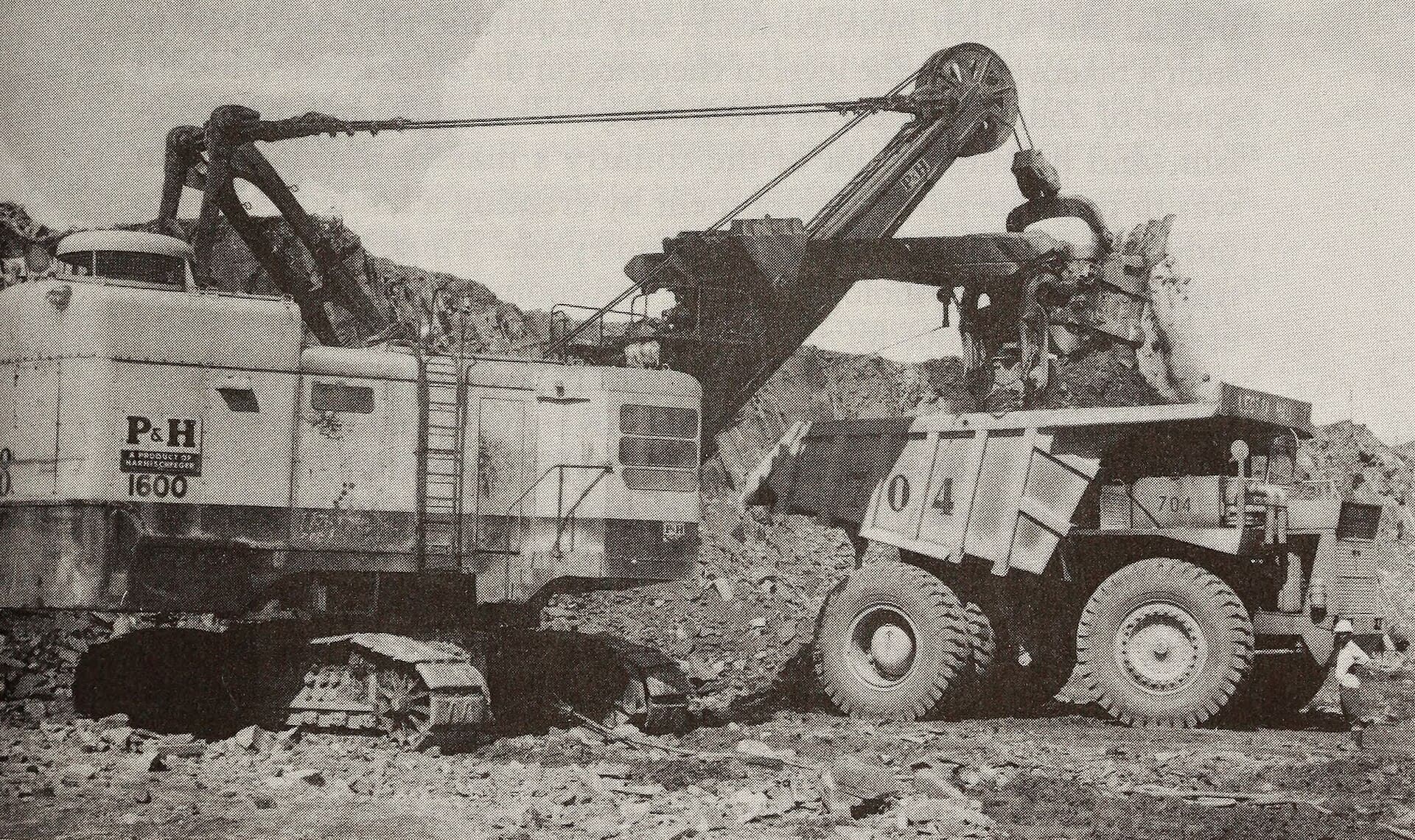
Photo: A shovel loading copper and cobalt ore at the Musonoi mine in the DRC. Gécamines (Zairian company), Wikimedia Commons, Public domain.
Was this useful?
Discussion
Loading comments…