
Zambia's refined copper exports rise 7.4% in first half while mine output stalls
National production edged up just 0.45% to 447,200t, with a 35% slump in small-scale output offsetting gains at Sentinel, Kansanshi and Lumwana
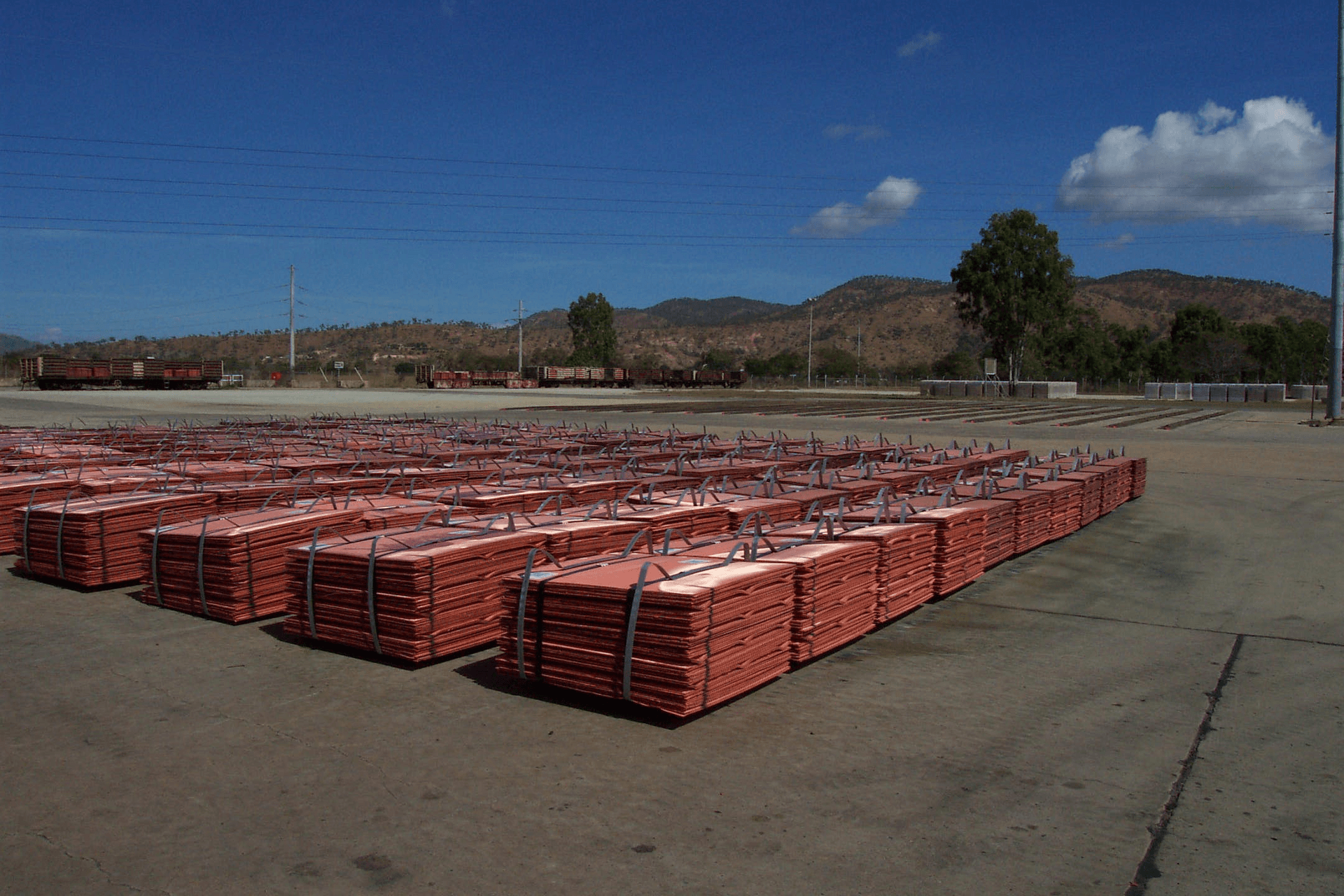
Zambia shipped 446,100 tonnes of refined copper in the first six months of 2026, 7.4% more than the 415,200t exported a year earlier, according to data from the Zambia Statistics Agency compiled by Shanghai Metals Market and published on 11 September. Mine production, however, barely moved: national output reached 447,200t, a rise of only 0.45% from 445,200t.
June surge
Much of the export gain came late in the half. Cumulative exports to the end of May were roughly level with 2025 at 364,400t, before June shipments of around 81,700t, up 56.8% on the 52,100t shipped in June 2025, pulled the half-year total ahead. Refined copper earned about K20.0bn in June, roughly 68% of Zambia's total export receipts of K29.6bn for the month, underlining how dependent the economy remains on a single metal.
The big three hold up
The large North-Western Province mines all produced more than a year earlier. First Quantum Minerals' Sentinel mine delivered 95,600t in the half, against 89,500t, while Kansanshi produced 89,300t, against 86,600t. Barrick's Lumwana added 73,000t, compared with 71,000t in the first half of 2025.
The weak spot was small-scale mining, where output fell 35.2% year on year. Smaller operators are more exposed than the majors to the shortage of sulphuric acid that has gripped the region since the Middle East conflict disrupted sulphur supplies, and many lack their own acid plants or smelting capacity.
Smelting third-party material
Part of the gap between modest mine growth and stronger exports reflects processing of purchased feed. First Quantum said sales of copper anode produced at Kansanshi from third-party concentrate reached 20,152t in the first half, up from 8,609t a year earlier, as the expanded Kansanshi smelter took in more outside material.
What it means
For the government, the numbers are a reminder of the distance still to travel. Lusaka wants to pass the one-million-tonne mark this year and reach 3 million tonnes a year by 2031. With first-half production at under 450,000t, the country would need a markedly stronger second half simply to match 2025's total by a comfortable margin, let alone reach the interim target.
The second half brings its own complications: KCM's Nchanga smelter and the Mopani and Chambishi smelters were all scheduled for extended maintenance between June and mid-September, which may cap refined output even if mines perform.
Sources
- Shanghai Metals Market (SMM): Zambia's Refined Copper Exports Rise 7.4% in H1 2026 as Domestic Copper Production Grows 0.45%, 11 Sept 2026
- First Quantum Minerals: First Quantum Minerals Reports Second Quarter 2026 Results, 28 Jul 2026
Photo: Bundles of copper cathode strapped and ready for transport. ChrisFountain, Wikimedia Commons, CC BY-SA 3.0.
Was this useful?
More from MiningWrap
The whole sector in one weekly read.
Deals, policy and markets — every Thursday.
Discussion
Loading comments…