Zambia's copper output climbs 8% in 2025 but falls short of 1Mt goal
Konkola's four-fold jump and a recovering Mopani carried the year, while the Sino-Metals spill and a weaker Trident held the total back
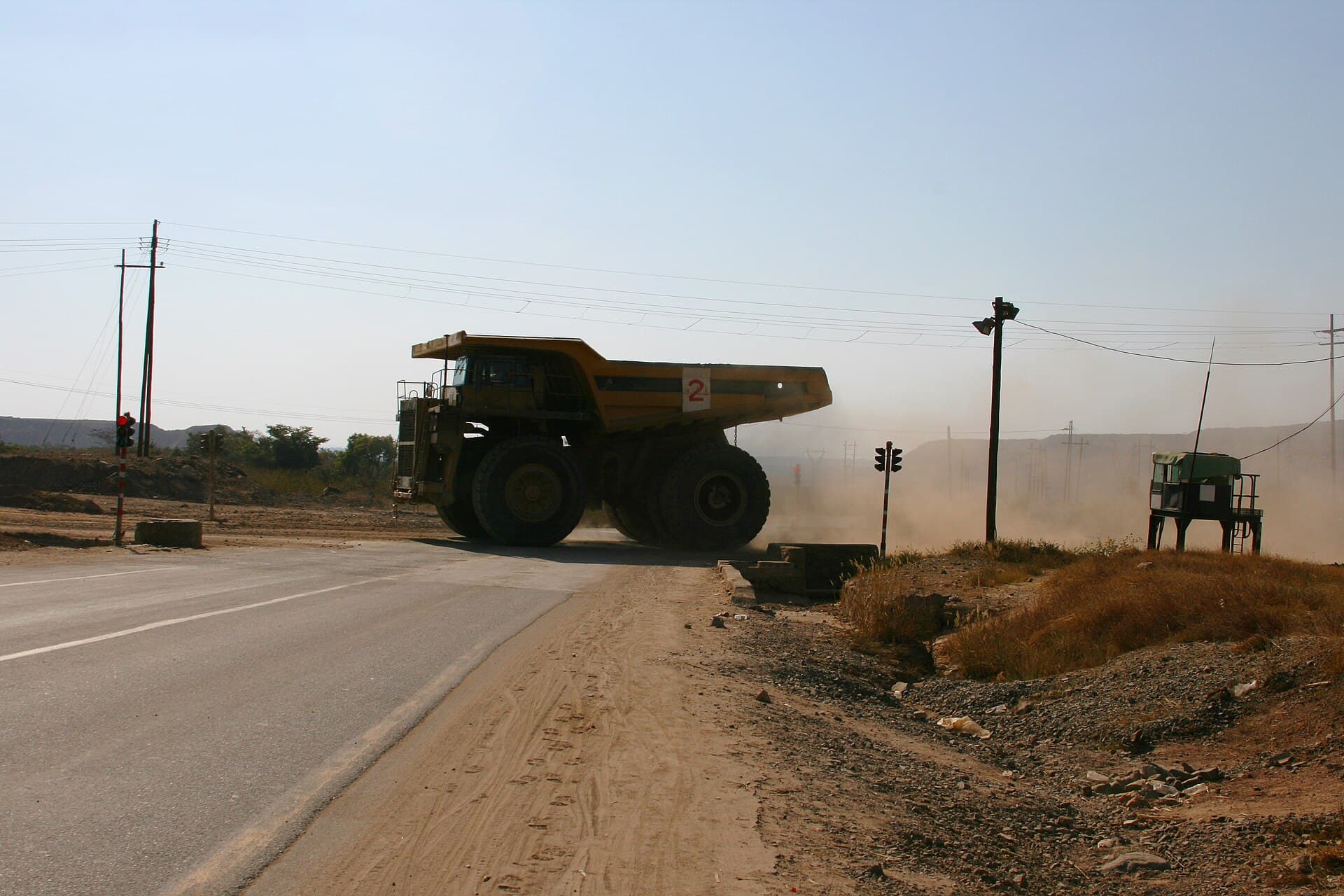
Zambia mined 890,346 tonnes of copper in 2025, an 8% improvement on the 825,513t recorded in 2024, the Ministry of Mines and Minerals Development said on 27 January. The figure confirms a second consecutive year of growth for Africa's second-largest producer, but it also means the government's one-million-tonne ambition for 2025 was missed by a wide margin.
Where the growth came from
The biggest single contributor was Konkola Copper Mines (KCM), the Chingola-based operation that Vedanta Resources regained control of in 2024. According to the ministry, KCM's output rose roughly four-fold to 80,215t as the group restarted processing and pushed ore through its Nchanga facilities after years of under-investment.
Mopani Copper Mines, now 51% owned by Abu Dhabi's International Resources Holding (IRH), lifted production by 40%. The ministry also credited higher output at First Quantum Minerals' Kansanshi mine in North-Western Province and at Lubambe, the Copperbelt mine owned by China's JCHX Mining.
What held Zambia back
Two setbacks weighed on the national total. The February 2025 collapse of a tailings dam at Sino-Metals Leach Zambia near Chambishi forced that operation to halt production while authorities dealt with acidic effluent that entered the Kafue River catchment. Separately, First Quantum's Trident operation at Kalumbila, home of the Sentinel copper pit, reported an 18% fall in output, which the ministry attributed partly to lower ore grades.
The 2031 question
The 2025 result matters because Lusaka has committed publicly to raising annual production to 3 million tonnes by 2031. Getting there requires more than tripling today's output in six years. The miss on 2025's interim target has already sharpened questions about whether expansions at Kansanshi, Barrick's Lumwana, KCM and Mopani can ramp up quickly enough, and whether power supply and processing capacity can keep pace.
For investors, the data offers a mixed read. The recovery at the formerly distressed Copperbelt assets shows that fresh ownership and capital can revive stranded production. But the heavy reliance on a small number of large North-Western Province mines means that a grade dip at a single operation, such as the one seen at Trident, can swing the national figure materially.
The government has rolled the unmet one-million-tonne mark into its 2026 plans. With the Lumwana Super Pit, Mopani's shaft projects and KCM's Konkola Deep programme all still some way from full capacity, 2026 is shaping up as a year of incremental gains rather than a step-change.
Sources
Photo: Open-pit workings at the Nchanga copper mine near Chingola, Zambia. BlueSalo, Wikimedia Commons, CC BY-SA 3.0.
Was this useful?
More from MiningWrap
The whole sector in one weekly read.
Deals, policy and markets — every Thursday.
Discussion
Loading comments…