Zambia's first-quarter copper output slips 4% as small-scale production falls
Large-scale mines grew 1.8%, led by Lumwana, Konkola and Mopani, but the national total dropped to 208,992t
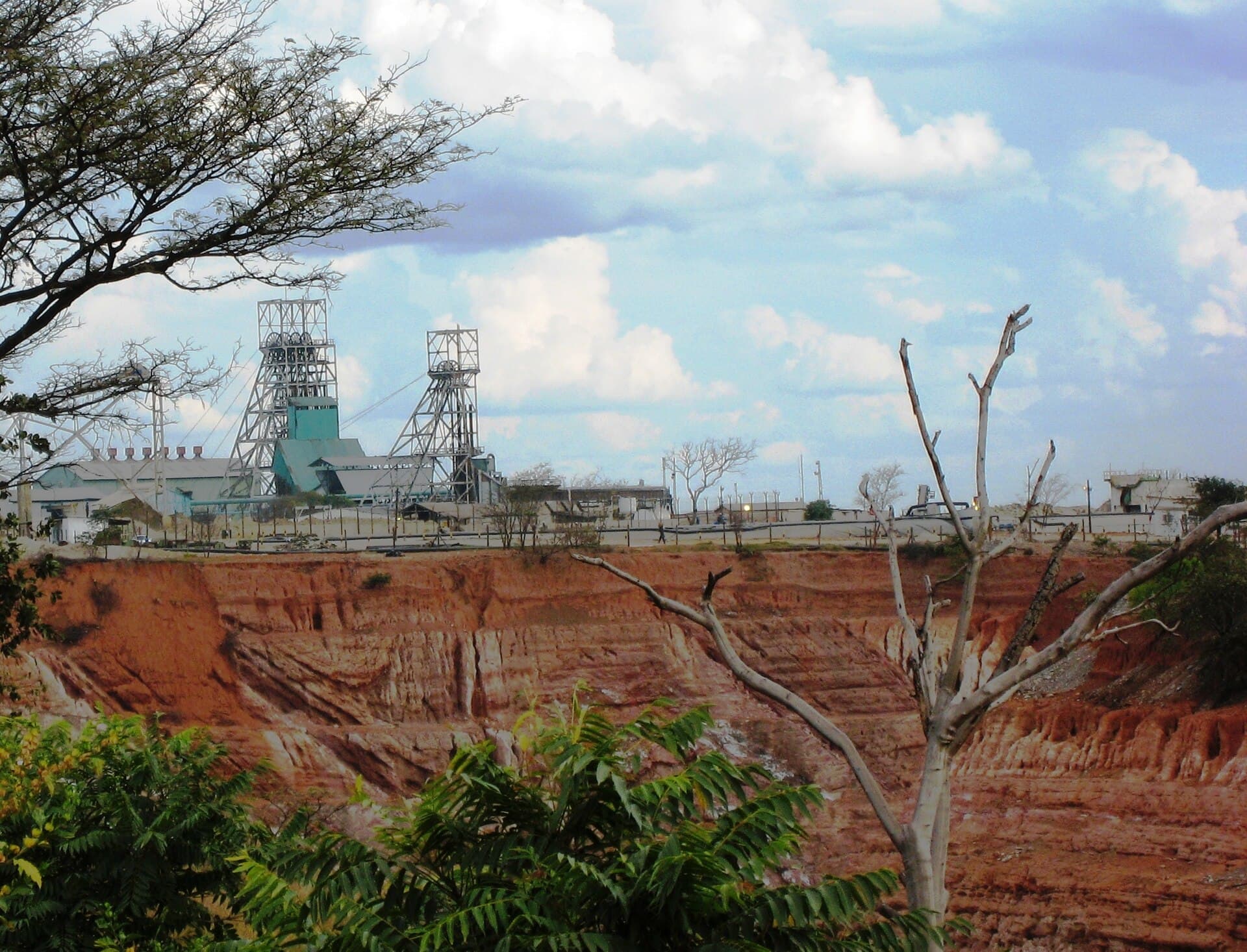
Zambia's copper production fell by about 4% in the first three months of 2026, according to figures released by Mines Minister Paul Kabuswe on 13 May, a disappointing start to a year in which the government hopes to break through the one-million-tonne mark.
Combined output from large-scale mines and small-scale operators came to 208,992 tonnes in the quarter to the end of March, compared with 218,308t in the first quarter of 2025, a decline of 4.27%.
Big mines up, small miners down
The headline number masks a divergence between the country's industrial producers and its smaller operators. Kabuswe said output from large-scale mines actually increased by 1.8% year on year, with gains recorded at Barrick's Lumwana mine, Vedanta's Konkola Copper Mines and Mopani Copper Mines, among others. Those improvements offset declines at other major operations, leaving the fall in the national total to be explained largely by weaker small-scale production.
First Quantum Minerals, Zambia's biggest producer, had already flagged a softer first quarter at its two North-Western Province mines. Kansanshi's production eased to 45,345t because of lower feed grades and recoveries, while Sentinel dipped to 45,252t, in both cases in line with mine plans that point to better grades in the second half.
Cobalt, a smaller by-product line for Zambia, also fell, with first-quarter output down 9.15% on a year earlier.
Regional context
The slowdown was not unique to Zambia. Neighbouring Democratic Republic of Congo, Africa's largest copper producer, saw its exports of the metal fall by almost 15% in the first quarter, according to Reuters. Both countries were contending with rising diesel costs and tightening supplies of sulphuric acid after the conflict in the Middle East disrupted fuel and sulphur shipments.
Why it matters
Lusaka's plan to lift output to 3 million tonnes a year by 2031 depends on a steady run of year-on-year increases. A decline in the first quarter makes the interim 2026 goal harder to reach and puts more pressure on the second half, when First Quantum, Barrick and the Copperbelt operators expect grade and throughput improvements to come through.
The growth in large-scale output is the more encouraging signal. It suggests the revival of Mopani and KCM, together with steady performance at Lumwana, is feeding through, even if the small-scale segment, which is more exposed to acid shortages and working-capital strain, is losing ground.
Sources
- CNBC Africa (Reuters): Zambia's copper output down 4% in the first quarter, 13 May 2026
- First Quantum Minerals: First Quantum Minerals Reports First Quarter 2026 Results, 28 Apr 2026
- Business Day (Reuters): Zambia smelter shutdowns threaten copper output and sulphuric acid supply, 20 Apr 2026
Photo: Open pit and headgear at the Nkana copper mine in Kitwe, Zambia. Per Arne Wilson, Wikimedia Commons, CC BY-SA 3.0.
Was this useful?
More from MiningWrap
The whole sector in one weekly read.
Deals, policy and markets — every Thursday.
Discussion
Loading comments…