Trump's 50% copper tariff jolts global trade flows
A Section 232 proclamation on semi-fabricated copper reshaped where the metal moves, with knock-on effects for African producers
On 30 July 2025 President Donald Trump signed a proclamation imposing a 50% tariff under Section 232 of the Trade Expansion Act on imports of semi-finished copper products and copper-intensive derivative goods, effective from 1 August 2025. The measure followed a Commerce Department investigation into whether copper import volumes posed a threat to US national security.
Crucially, the tariff was narrower than markets had first feared: it applies to the copper content of pipes, wires, rods, sheets, tubes and derivative items such as connectors and cables, worth some $15.5bn of 2024 imports, rather than to raw ore, concentrate, matte, anode or cathode, or to scrap. The Commerce Department was instructed to run an "inclusions process" within 90 days to decide whether further derivative products should be added to the tariff's scope.
Why African producers are watching
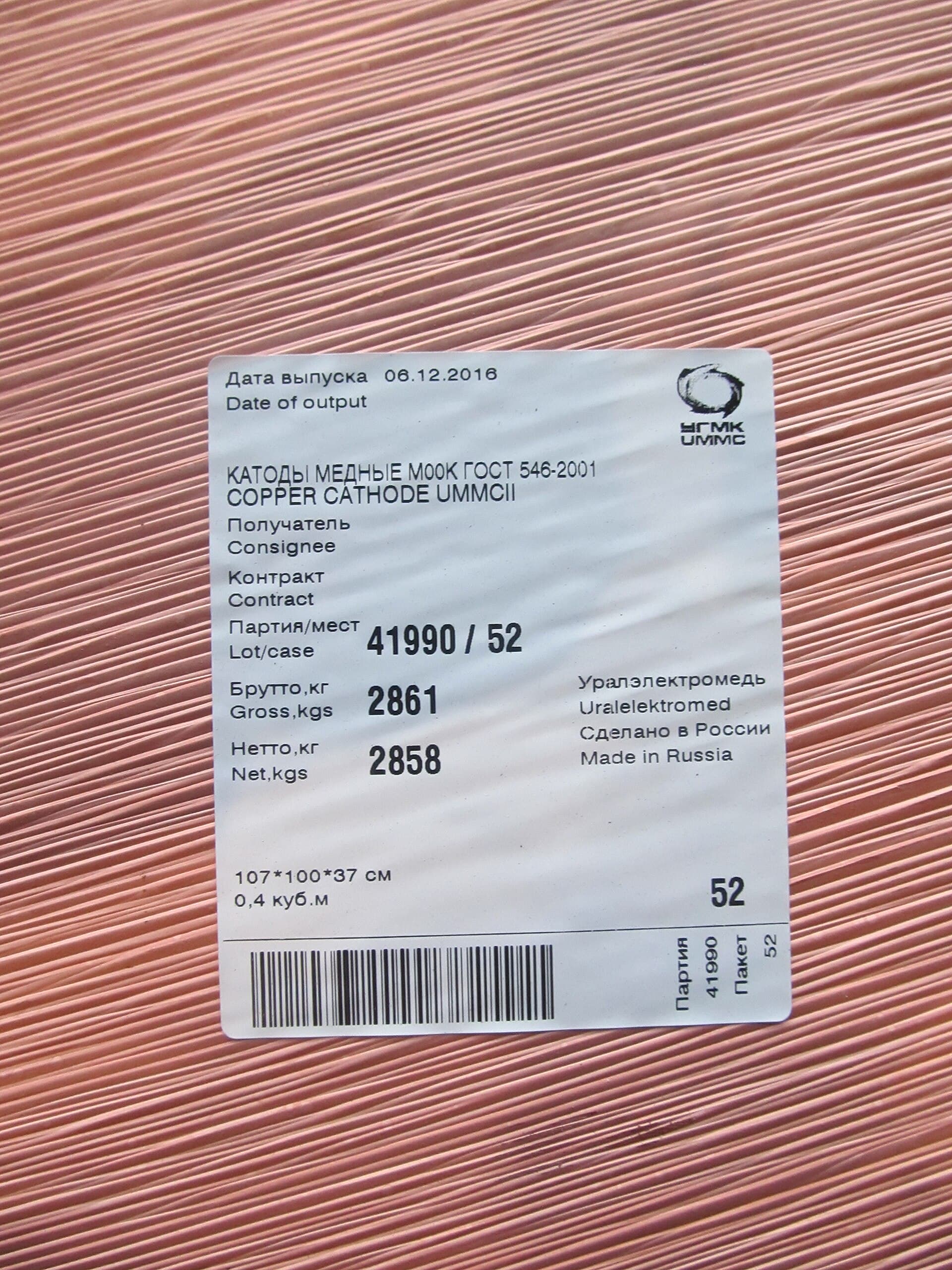
Copper mined and refined in Zambia and the Democratic Republic of Congo enters world trade largely as cathode, which sits outside the initial tariff wording. But the proclamation still moved the whole market: traders anticipating a wider tariff on refined metal began redirecting cargoes toward the United States, thinning stocks in London Metal Exchange warehouses and lifting the international price that African exporters are paid.
That price effect has mattered more to Copperbelt producers than the tariff's legal text. Higher benchmark prices lift export earnings for Zambia and the DRC, two economies where copper dominates foreign-currency income and government royalties. The risk cuts the other way too: an expansion of the tariff to cathode and concentrate, which the Commerce Department's inclusions process could still bring, would complicate trade flows for African shippers who route material through processing hubs that supply the US market.
What happens next
Through 2026 the tariff has remained a live source of uncertainty rather than a settled policy. The Commerce Department missed its self-imposed deadline to rule on refined copper, and the White House has at various points signalled it could still widen or soften the measure. For African copper producers, the practical effect so far has been indirect: a US-focused trade distortion that has helped drive the global price to successive records, a dynamic explored in MiningWrap's coverage of copper's 2026 rally.
Sources
Was this useful?
More from MiningWrap
Tanzania expands Dar es Salaam port as DRC plans dedicated mineral dry port

China's CCECC signs Chinese copper miners into $1.24bn TAZARA revamp
The whole sector in one weekly read.
Deals, policy and markets — every Thursday.
Discussion
Loading comments…