
Tanzania expands Dar es Salaam port as DRC plans dedicated mineral dry port
New berths and record cargo volumes underline the port's growing role as an export gateway for Congolese and Zambian minerals
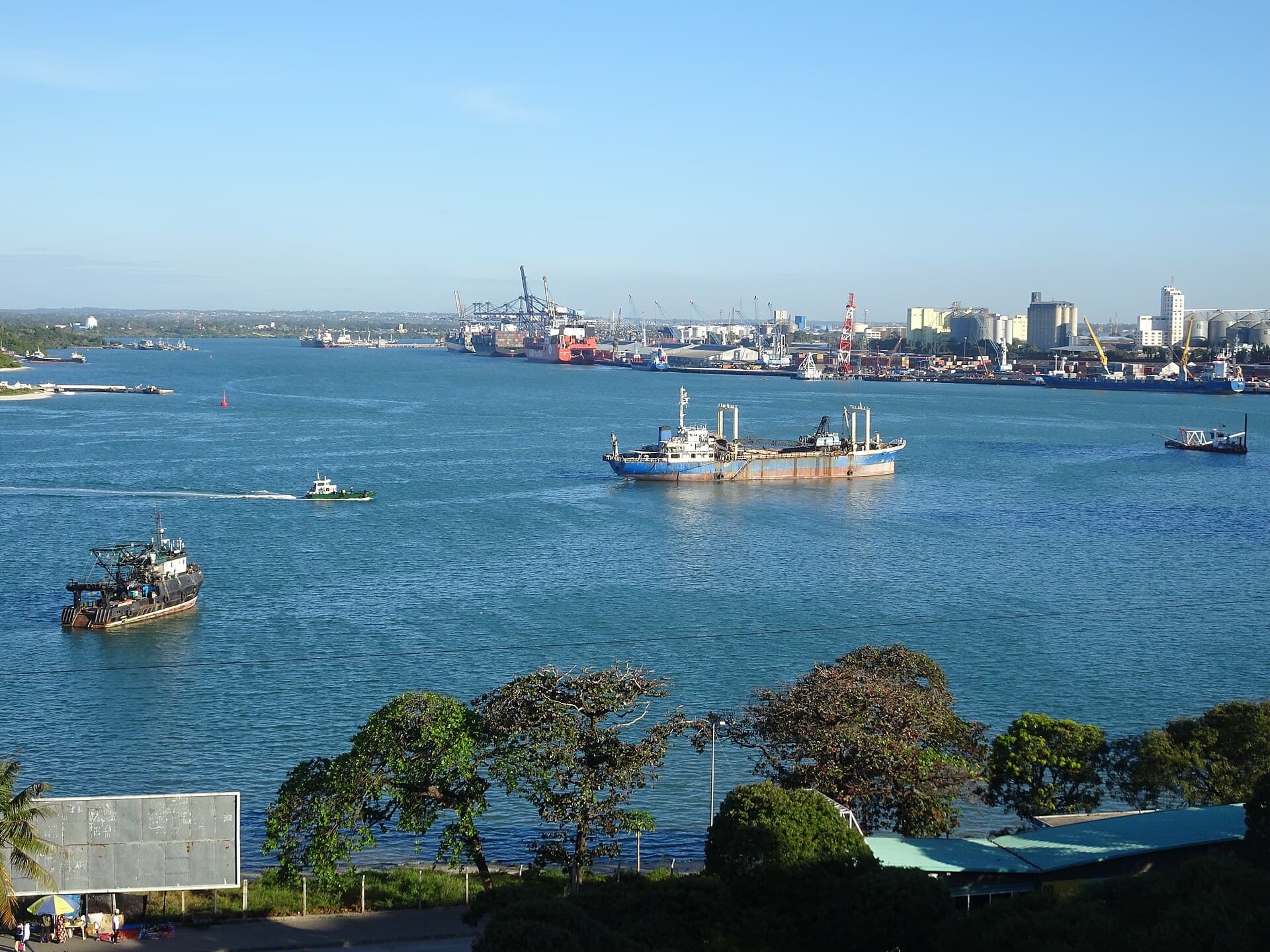
The Port of Dar es Salaam handled 27.7 million tonnes of cargo in the 2024-25 financial year, a 15% increase on the previous year and the highest throughput in its history, prompting the Tanzania Ports Authority to press ahead with plans for four new berths — numbered 12 to 15 — plus two further berths totalling 500 metres in length. The authority has set a longer-term target of 54.59 million tonnes of throughput by 2030-31.
Much of the port's growth is linked to its role as an export gateway for landlocked neighbours, particularly the DRC and Zambia. During a state visit to Tanzania in August 2026, DRC President Félix Tshisekedi announced plans for a dedicated dry port facility at Dar es Salaam that would carry out on-site customs clearance, cargo handling and critical-mineral certification for Congolese exports and imports moving through the Tanzanian corridor, rather than requiring that processing to happen elsewhere along the route.
The DRC's biggest port customer relationship
The DRC is already the largest foreign user of Tanzanian ports by volume, having channelled some 7.2 million tonnes of cargo through the corridor. A dedicated dry port would let Congolese mineral exporters — increasingly needing formal certification of critical minerals such as copper and cobalt for buyers subject to due-diligence and traceability requirements — process paperwork and cargo closer to the point of production rather than at the coast, potentially speeding up the whole export chain.
Racing to catch up with rail investment
The port expansion runs in parallel with the $1.4 billion rehabilitation of the TAZARA railway linking Zambia's copperbelt to Dar es Salaam, which is expected to lift rail freight capacity on that line from around 100,000 tonnes a year to 2.4 million tonnes. Without matching investment in port capacity, a revived TAZARA would simply shift congestion from the railway to the docks — which is why Tanzania's berth expansion and the DRC's dry-port plan are best understood as necessary companions to the rail project, rather than standalone initiatives. Together, they represent Tanzania's bid to become the preferred eastern gateway for central African minerals, competing directly with the Lobito Corridor's pitch on the Atlantic side.
Sources
- African Business: Rail and port upgrades drive Tanzania transport ambitions, 20 Aug 2026
- Streamline Feed: DRC Secures Dar es Salaam Dry Port to Track 7.2 Million Tonnes of Mineral Exports, 20 Aug 2026
Photo: Port activities at Dar es Salaam, Tanzania, the export gateway being expanded for Zambian and Congolese minerals. Sarvesh Lutchmun, Wikimedia Commons, CC BY-SA 4.0.
Was this useful?
More from MiningWrap

Zambia and DRC sign new deal to cut Kasumbalesa truck queues
Bridge collapse cuts DRC's main copper export route to Zambia
Four countries agree to extend the Nacala railway 2,400km to the DRC
Lobito Corridor could double cargo to 800,000 tonnes after $300m boost
The whole sector in one weekly read.
Deals, policy and markets — every Thursday.
Discussion
Loading comments…