Transnet hands 11 private operators slots on freight rail network
Access agreements are meant to add 24 million tonnes of freight capacity, rising to 52 million tonnes within five years
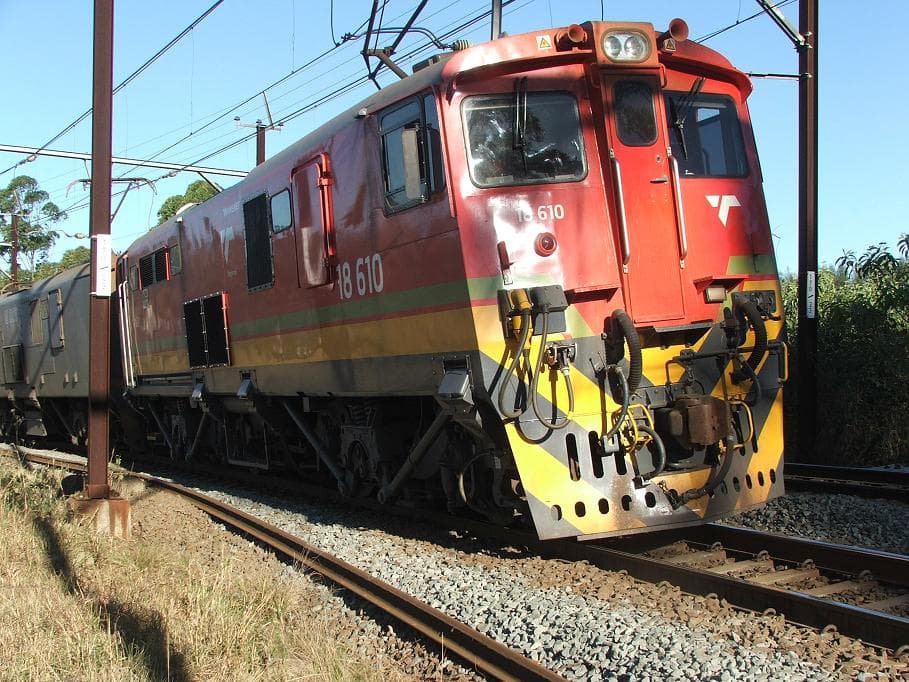
Transnet's rail infrastructure arm has concluded access agreements with 11 private train operating companies, allocating them slots on the state-owned freight network for the first time under its open-access reform. The companies named were ARC South Africa, Barberry, Grindrod, Interlinks, IRACEMA, Menar, Minrail, Motheo Logistics, Sharp Logistics, The Railway Corporation and TLD Marine.
Transnet Rail Infrastructure Manager chief executive Moshe Motlohi said the allocations represent "more than just slot allocation" and "signal the creation of a functional and competitive rail marketplace". The agreements cover coal, manganese, container, fuel and general freight routes, and are expected to add 24 million tonnes of annual freight capacity, with the potential to reach 52 million tonnes over the next five years as operators scale up.
From policy document to trains on track
The move follows the publication of Transnet's first Network Statement and tariff determination in December 2024, the rulebook that set out how third parties could apply for access to the state's rail infrastructure. Transnet chief executive Michelle Phillips described the agreements as a "significant milestone" in implementing the open-access policy that government adopted to help lift rail volumes from around 180 million tonnes towards a 250-million-tonne target by 2030.
To help the new entrants get moving without having to buy their own fleets, Transnet allocated 500 locomotives and 17,000 wagons to a newly created leasing entity, LeaseCo, from which operators can hire rolling stock. Motlohi noted that the ad hoc slot process had already unlocked a proposed short-haul service between Cato Ridge and Durban aimed at easing road congestion around the port, targeted to start in May 2026.
A slow start expected
Some of the 11 operators are expected to begin running trains before the end of 2026, but Transnet has said most will only become fully operational during 2027 as onboarding and safety certification processes continue. For mining exporters, the reform is meant to loosen a bottleneck that has forced coal, chrome and manganese producers onto trucks or left tonnes stranded at mine sites for years. Whether the newcomers can meaningfully add to the coal, iron-ore and manganese corridors — rather than simply taking a share of existing Transnet-run traffic — will only become clear once services are running at scale.
Sources
- Engineering News: Eleven private train operators gear up for mainline entry after concluding access agreements, 13 May 2026
Photo: A locomotive in Transnet Freight Rail livery. SAR Connecta, Wikimedia Commons, CC BY-SA 3.0.
Was this useful?
More from MiningWrap
The whole sector in one weekly read.
Deals, policy and markets — every Thursday.
Discussion
Loading comments…