Swakop Uranium and NamWater launch second desalination plant for Husab mine
The N$2.1bn Erongo Sunam venture will supply 20 million cubic metres of water a year to Namibia's biggest uranium mine and nearby communities

Namibia's Prime Minister, Elijah Ngurare, officially launched the Erongo Sunam Desalination joint venture on 24 June 2026, a partnership between state utility NamWater and Swakop Uranium to build the country's second large-scale desalination plant. Swakop Uranium holds a 70% stake in the venture, with NamWater holding the remaining 30%, and the partners plan to invest N$2.1 billion in a facility designed to supply 20 million cubic metres of water a year.
The new plant will serve the Husab uranium mine, one of the largest open-pit uranium operations in the world and the single biggest consumer of water in Namibia's Erongo region after the city of Windhoek. It will also supply nearby coastal communities, addressing water security in one of the driest countries in Africa, where reliable rainfall-fed supply cannot keep pace with growing mining and municipal demand.
Husab's growing thirst
Husab produced 5,318 tonnes of uranium oxide in 2023 and is targeting output of 6,000 tonnes by 2028, a trajectory that requires an expanding, reliable water supply given how water-intensive uranium ore processing is. The mine's existing desalination plant already draws 16MW of power from the grid to convert seawater into process water, underlining how uranium mining in Namibia's coastal desert is inseparable from investment in both energy and water infrastructure.
A model for mine-linked infrastructure
By pairing a mining company's capital and demand certainty with a state utility's distribution network and community mandate, the Erongo Sunam structure offers a template for how other water-intensive Namibian mines — including the country's expanding lithium, rare earths and green hydrogen projects — might finance new water infrastructure that also benefits surrounding towns. For Husab and Swakop Uranium's shareholders, securing a second, larger water source reduces the risk that supply constraints could cap the mine's output growth over the rest of the decade. NamWater's minority stake also gives the state utility direct exposure to a facility it can draw on for municipal supply, a structure officials say could be repeated for other mine-linked infrastructure along Namibia's arid coastline.
Sources
- Smart Water Magazine: Swakop Uranium partners with NamWater on Namibia's second desalination facility, 24 Jun 2026
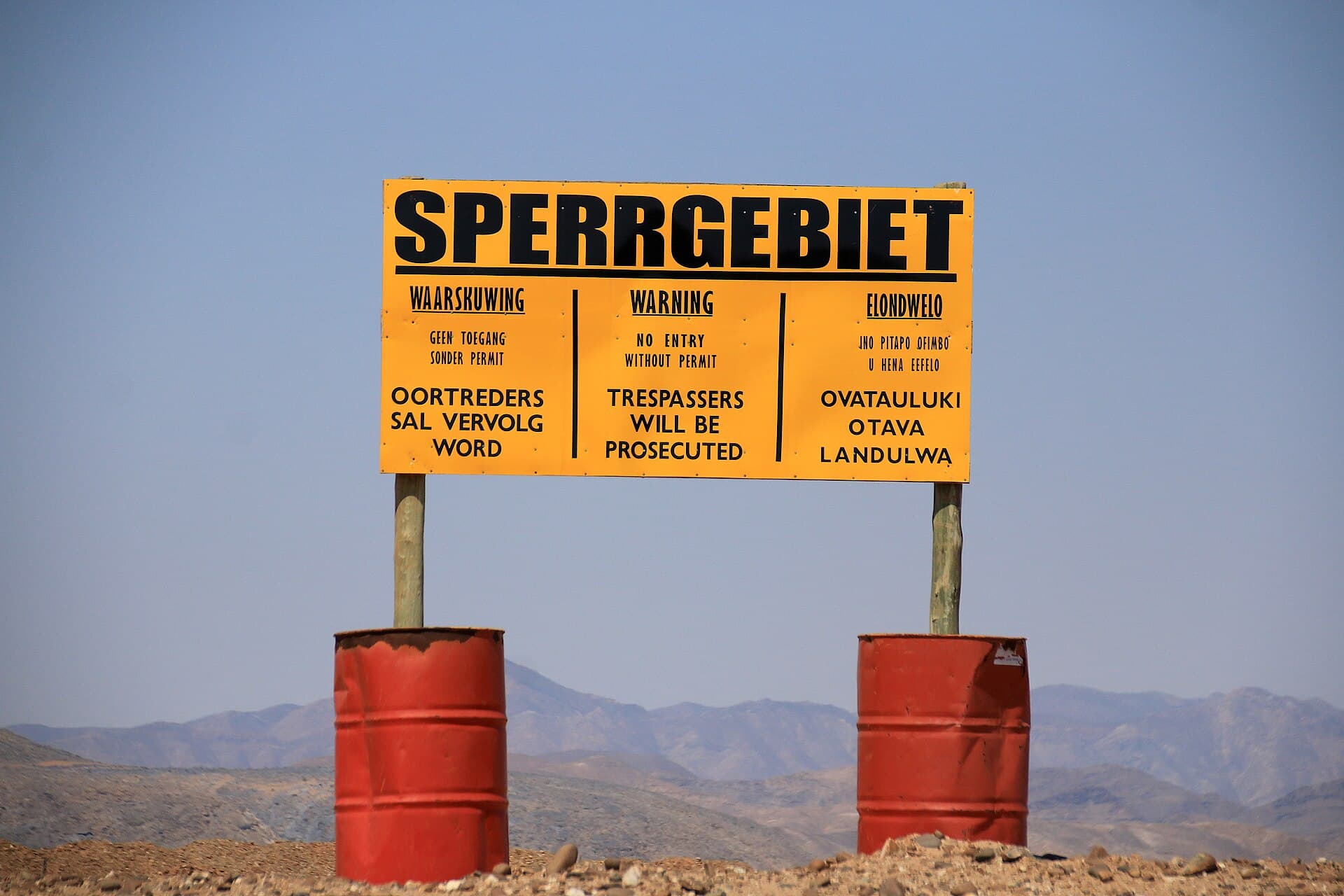
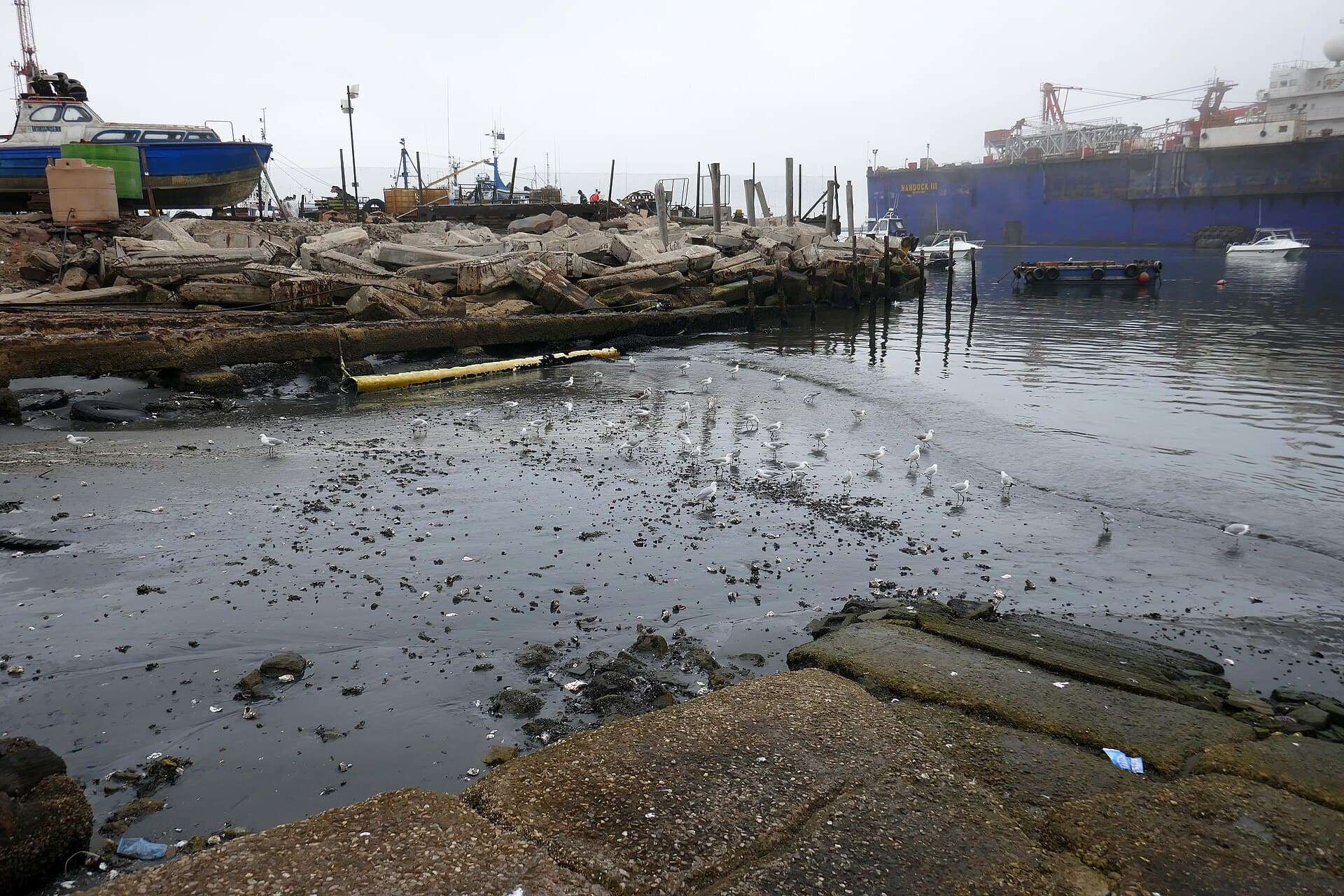
Photo: The Namibian coast near Swakopmund in the Erongo region, home to the Husab uranium mine and its desalination infrastructure. Diego Delso, Wikimedia Commons, CC BY-SA 4.0.
Was this useful?
More from MiningWrap
Hyphen targets N$54bn in local spending as Namibia's green hydrogen project regroups
The whole sector in one weekly read.
Deals, policy and markets — every Thursday.
Discussion
Loading comments…