Simfer and Baowu submit feasibility study for 2Mt Simandou pellet plant
Guinea's mines ministry reviews the first concrete step toward processing Simandou ore at home
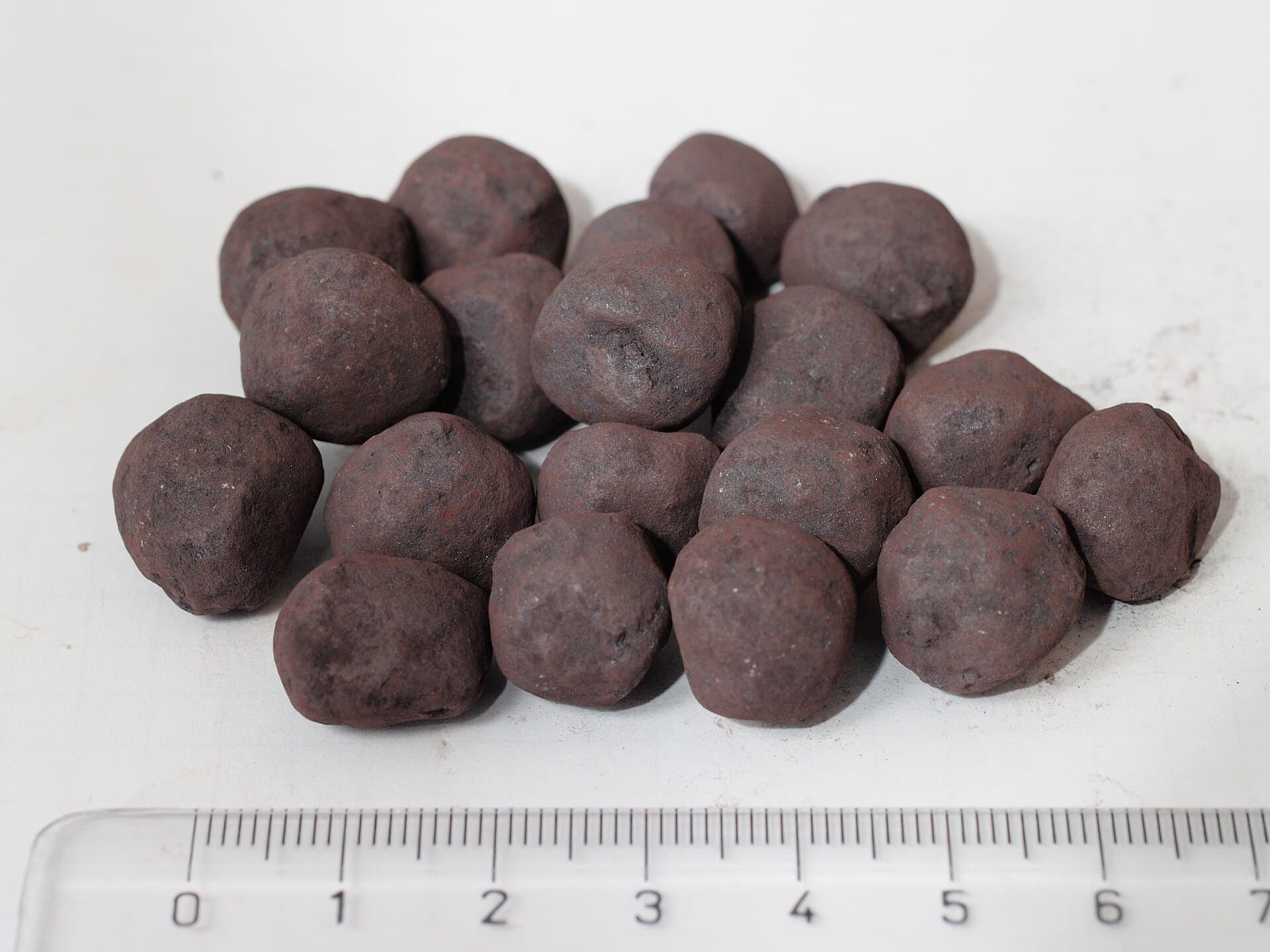
Guinea has moved a step closer to processing some of its Simandou iron ore domestically. On 18 June the Ministry of Mines and Geology reviewed a feasibility study for a pellet plant with an annual capacity of 2 million tonnes, submitted jointly by Simfer SA and China Baowu Steel Group, Ecofin Agency reported.
The study responds to a condition in the project's co-development agreement. Within two years of the mine entering production, the partners were required to present a feasibility study for either a 500,000-tonne-a-year steel mill or a 2-million-tonne pellet plant. The partners have chosen the pelletising route.
What pelletising means
Pelletising turns fine iron ore concentrate into hardened balls that steelmakers feed into blast furnaces and direct-reduction plants. Pellets typically sell at a premium to fines, and they are a natural fit for high-grade ore of the kind Simandou produces, which makes a pellet plant the lower-risk option compared with a steel mill that would need a local market, cheap energy and a skilled workforce from the start.
According to preliminary government information, the plant could employ up to 1,950 people during peak construction and support 788 permanent jobs once operating.
Unanswered questions
The ministry has not published the plant's estimated cost, development timetable, financing plan or the timing of an investment decision. Nor is it clear whether the facility is intended mainly to satisfy the contractual obligation or to serve as the first step towards a broader iron and steel industry in Guinea.
Power is the most obvious hurdle. The World Bank estimates that only about 53% of Guinea's population has access to electricity, and the study as released does not specify how much power the plant would need or where it would come from. Pellet induration is energy intensive, so the answer will shape the economics.
Part of a wider push
The study fits a broader drive by Conakry to capture more value from its minerals. The government has backed several alumina refinery projects to process bauxite locally, many with Chinese investors, and has built its Simandou 2040 programme around converting mining revenue into industrial development.
Simandou's two consortia, Simfer, which develops Blocks 3 and 4, and the Baowu-led Winning Consortium Simandou, which operates Blocks 1 and 2, are ramping up towards a combined 120 million tonnes a year. A 2-million-tonne pellet plant would absorb only a small fraction of that, but it would be the first time ore from the deposit is upgraded before leaving the country. Pressure to do so is not new. Last September, planning minister Ismael Nabe told the Australian Financial Review that Guinea intended to build refineries for iron ore as well as bauxite, and a Rio Tinto spokesman confirmed that feasibility work on a pellet plant was under way, Miningmx reported.
Sources
- Ecofin Agency: Guinea Takes First Step Toward Processing Simandou Iron Ore at Home, 19 Jun 2026
- Miningmx: Rio Tinto under pressure to build refinery for Simandou, 09 Sept 2025
Photo: Iron ore pellets shown next to a scale. Arnoldius, Wikimedia Commons, CC BY-SA 3.0.
Was this useful?
More from MiningWrap

The whole sector in one weekly read.
Deals, policy and markets — every Thursday.
Discussion
Loading comments…