SA gazettes MPRDA amendments meant to overhaul mining regulation
Draft bill ties licensing reform to the new critical minerals strategy and tightens rules on artisanal mining
The Department of Mineral and Petroleum Resources (DMPR) gazetted a draft amendment bill to the Minerals and Petroleum Resources Development Act (MPRDA) on 20 May 2025, opening a public comment process on changes the department says are needed to modernise mining regulation and support its new critical minerals strategy.
The draft runs to more than 100 pages and touches on several parts of the mining licensing regime at once: restructuring the framework for artisanal and small-scale mining, adding measures aimed at reducing illegal mining, and tightening compliance requirements around environmental, safety and labour standards. It is also intended to align licensing priorities with the minerals the department has identified as strategically important, including platinum, manganese, iron ore and chrome ore.
An industry caught off guard
Despite having taken part in earlier consultations, the Minerals Council South Africa said it had not had a hand in shaping the final critical minerals strategy that the bill is meant to support, and was still working through the implications of the amendments themselves. Mining lawyers and executives described the draft as dense and short on the explanatory context needed to judge its real-world effect on licensing timelines and investment decisions.
Why it matters
South Africa's mining licensing system has been widely criticised for years over slow turnaround times and an opaque backlog of prospecting and mining right applications, problems the long-delayed digital cadastre is meant to fix. Amending the underlying MPRDA at the same time as the cadastre is being rolled out raises the stakes: investors will be watching to see whether new legal obligations are added on top of an already strained administrative system, or whether the changes genuinely simplify it.
Empowerment provisions are the most politically sensitive part of the package, given the industry's long-running disputes with government over the Mining Charter and the 2021 “once empowered, always empowered” court ruling.
What happens next
The gazettal opened a public comment window running into August 2025. The Minerals Council and other industry bodies were expected to lodge detailed submissions, setting up further rounds of negotiation — and potentially legal dispute — before any amendment bill goes to Parliament.
Sources
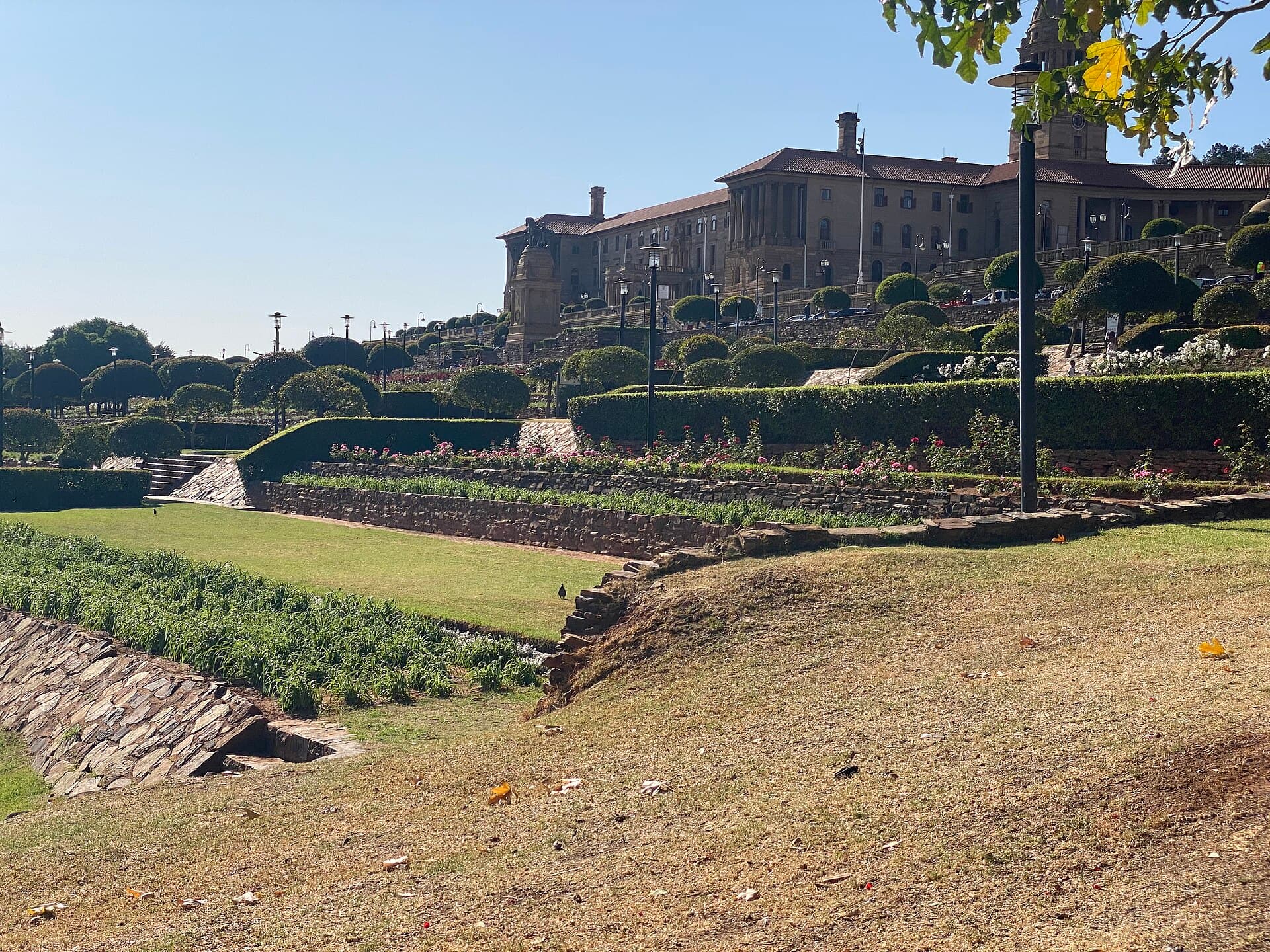
Photo: The Union Buildings in Pretoria, seat of the South African government. Ruby D-Brown, Wikimedia Commons, CC BY 4.0.
Was this useful?
More from MiningWrap


The whole sector in one weekly read.
Deals, policy and markets — every Thursday.
Discussion
Loading comments…