Mantashe unveils Critical Minerals and Metals Strategy for South Africa
New framework names platinum, manganese, iron ore, coal and chrome as the country's highest-priority minerals
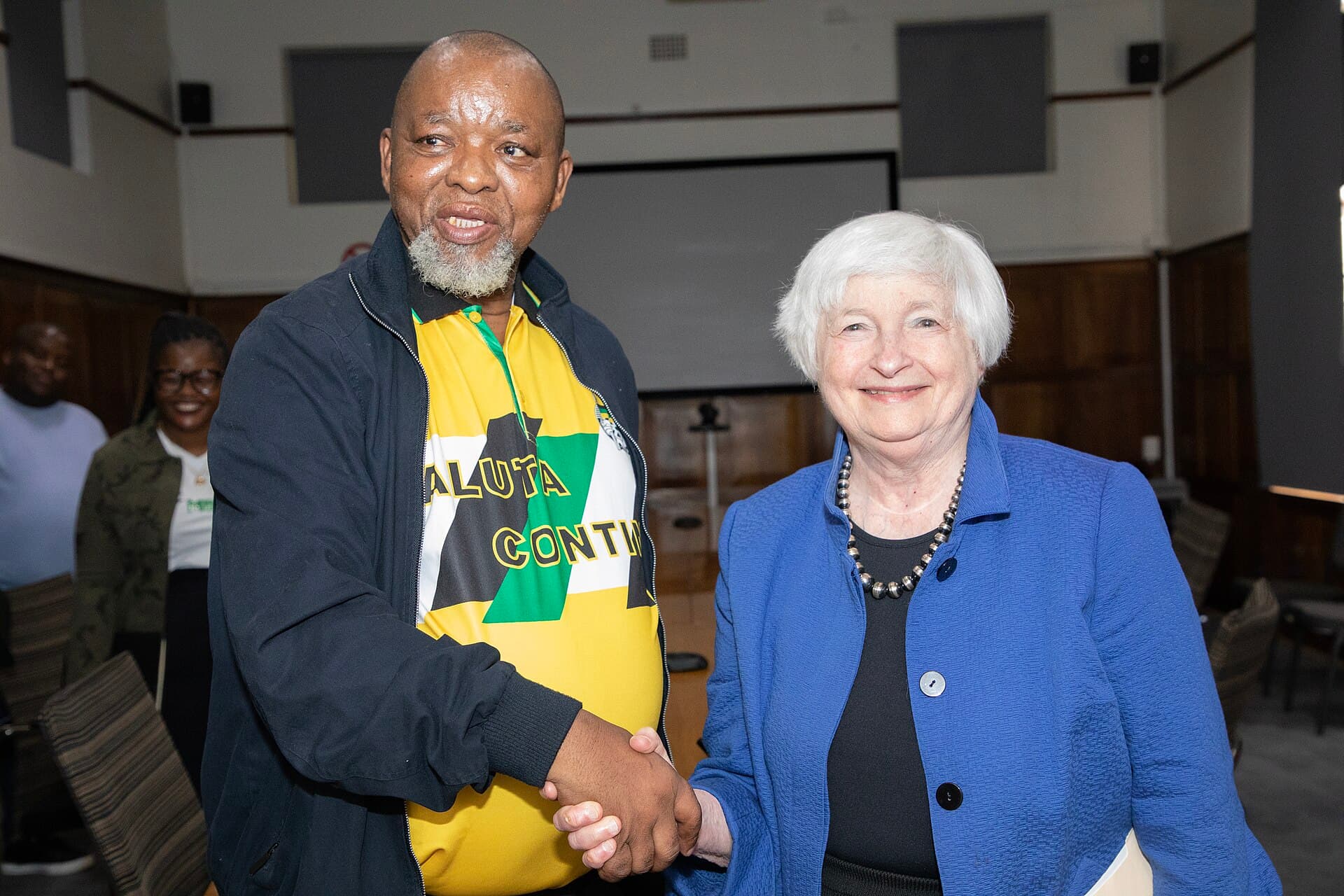
Minister of Mineral and Petroleum Resources Gwede Mantashe released South Africa's Critical Minerals and Metals Strategy on 20 May 2025, setting out which minerals government considers most important to the economy and how it intends to support their development through to processing and manufacturing.
The strategy names five minerals as having the highest criticality for South Africa: platinum, manganese, iron ore, coal and chrome ore, alongside a longer list of around 16 further minerals judged to carry moderate strategic importance. It frames the country's mineral endowment as a platform for industrialisation and regional value chains, with particular emphasis on battery and hydrogen-related supply chains, skills development and circular-economy principles.
Industry welcome, muted caveats
The Minerals Council South Africa welcomed the strategy as a step toward “realising the potential for South Africa's mining industry and its contribution to economic growth and the energy transition,” language that reflects the industry's long-standing complaint that policy uncertainty, not geology, has been holding back investment.
Analysts were more cautious. Commentary on the strategy has pointed to weak coordination between the mineral resources department and other arms of government — particularly Trade, Industry and Competition — as a risk to implementation, along with criticism that the document says little about community consultation, benefit-sharing or the historical trust deficit between mining companies and the communities living around mines.
Why coal made the list
The inclusion of coal as a “highly critical” mineral is unusual internationally; other jurisdictions such as the European Union, the United States and India have added coking coal, used in steelmaking, to their critical lists, but not thermal coal used for power generation. South Africa's decision to elevate thermal coal reflects both Eskom's continued reliance on coal-fired generation and the tens of thousands of jobs still tied to the coal sector.
What happens next
The strategy is meant to guide licensing priorities, exploration incentives and beneficiation policy across government, including the parallel MPRDA amendment process. Whether it can do so depends on cross-departmental coordination that critics say has so far been lacking, and on resolving unresolved tension between mineral-rights policy, held by Mantashe's department, and industrial policy ambitions housed elsewhere in government.
Sources
- Africa Policy Research Institute (afripoli.org): South Africa's new critical minerals strategy: promises and paradoxes, 01 Apr 2026
- Miningmx: Why SA rebranded thermal coal a critical mineral, 11 Feb 2026
Photo: South African Minister of Mineral and Petroleum Resources Gwede Mantashe. US Embassy South Africa, Wikimedia Commons, CC BY 2.0.
Was this useful?
More from MiningWrap
South Africa moves to tax chrome ore exports and require ITAC permits

Transnet hands 11 private operators slots on freight rail network
The whole sector in one weekly read.
Deals, policy and markets — every Thursday.
Discussion
Loading comments…