
Rio Tinto Commits $250 Million to Address Panguna Mine Legacy in Bougainville
Rio Tinto has pledged US$250 million to address decades of environmental damage and community impacts left by the abandoned Panguna copper and gold mine in Bougainville, Papua New Guinea, following an independent assessment and years of consultations with affected communities.
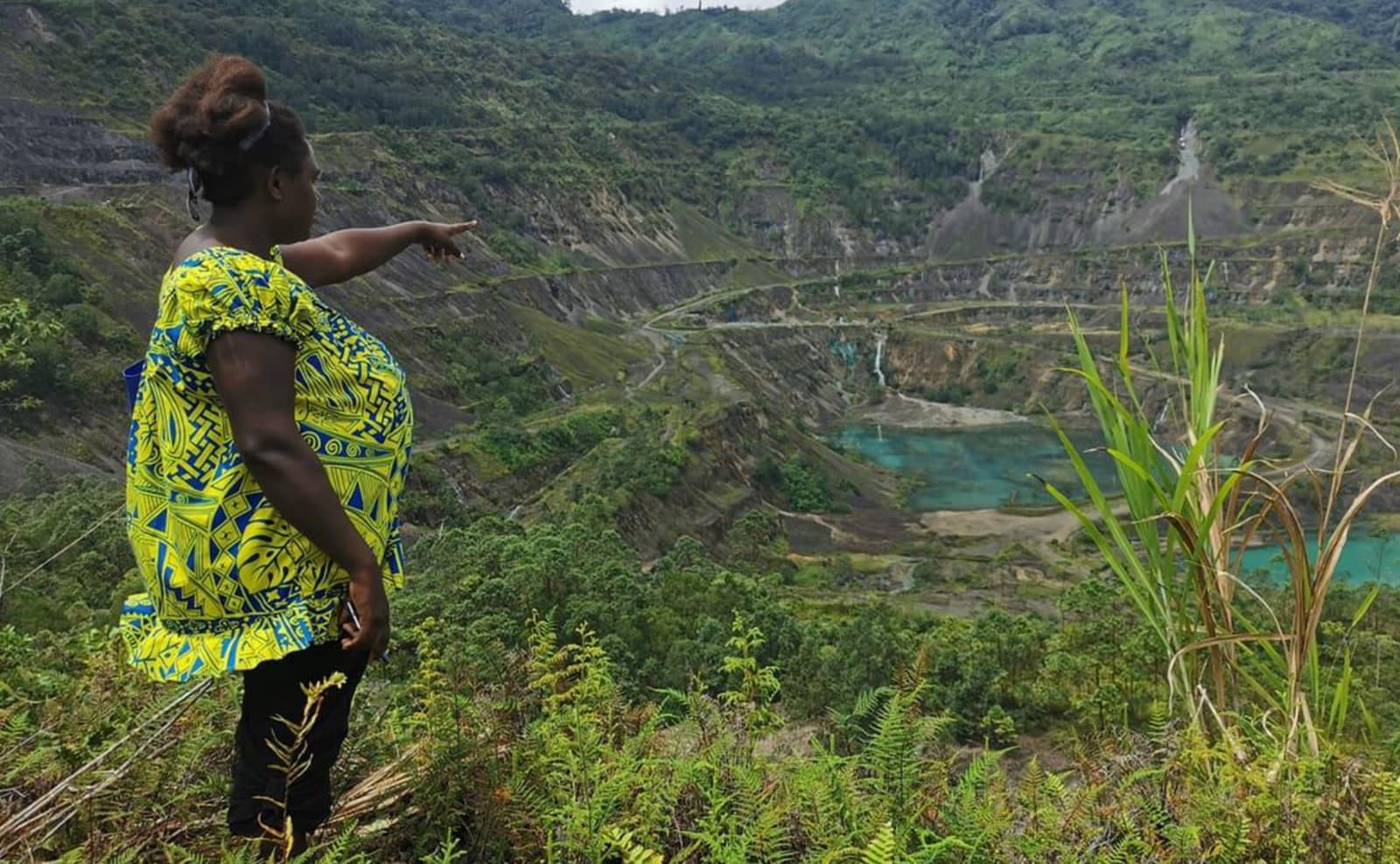
Rio Tinto has agreed to contribute US$250 million towards addressing the environmental and social damage left by the abandoned Panguna copper and gold mine on Bougainville island in Papua New Guinea, more than three decades after operations stopped.
The mining group announced the commitment on 16 November 2026, following an agreement involving Bougainville Copper Limited (BCL), the Autonomous Bougainville Government (ABG) and community leaders. The contribution will be paid over the coming years into a fund designed to support practical responses to impacts identified through the Panguna Mine Legacy Impact Assessment.
The fund will focus on affected river and delta areas, alongside social programmes for communities around the former mine, port and town areas. Its structure, governance and delivery arrangements will be developed through further consultation with affected communities and the other parties.
An environmental legacy dating back to 1989
Bougainville Copper Limited operated Panguna from 1972 until mining stopped in 1989 amid an uprising that developed into a civil war lasting until 1998. Environmental damage, landowner grievances and disputes over the distribution of mining revenues were central to the conflict.
The mine left behind extensive waste deposits, polluted waterways and unstable infrastructure. The resulting risks include river contamination, flooding, sediment movement, unstable landforms and potential failures involving ageing structures and levees.
Rio Tinto was historically the majority shareholder in BCL, holding a 53.8% stake before transferring its interest in 2016 to the governments of Papua New Guinea and Bougainville.
Independent assessment sets out priorities
The funding agreement follows years of engagement with communities and work on the Panguna Mine Legacy Impact Assessment. An oversight committee established in 2021 brought together landowner representatives, community leaders, government officials, BCL, Rio Tinto and the Human Rights Law Centre.
The independent assessment was published in December 2024 after examining environmental damage and related social and human rights impacts.
Some remedial work is already underway. These activities include removing hazardous materials from the former Loloho Port, addressing ageing infrastructure, constructing bridges, reducing flood risks and improving access to water and sanitation.
A water and sanitation programme is also targeting communities and institutions in the former mine corridor.
Funding separate from mine redevelopment
The new fund is intended to move the process from identifying damage towards practical remedies. Its activities will be guided by further technical investigations and consultation, with the parties committing to align the work with the United Nations Guiding Principles on Business and Human Rights.
The agreement does not determine whether Panguna will reopen. Decisions on future mine and port redevelopment remain with the Autonomous Bougainville Government and the people of Bougainville.
Rio Tinto's US$250 million contribution is equivalent to approximately PGK1.1 billion. The fund will support responses to damage that has affected communities since mining ceased in 1989.
Was this useful?
More from MiningWrap
Rosh Pinah switches on new water treatment plant
The whole sector in one weekly read.
Deals, policy and markets — every Thursday.
Discussion
Loading comments…