Report finds Jagersfontein dam owner knew of cracks years before collapse
A technical investigation says the tailings facility was built without detailed engineering plans and its southern wall showed signs of instability from 2019
A technical investigation into South Africa's Jagersfontein tailings dam disaster has found that the facility's owner, Jagersfontein Developments, may have been aware of structural instability along the dam's southern wall as early as 2019, yet continued to raise the wall and deposit more tailings in the years before it failed. The findings were reported in late November 2025, more than three years after the September 2022 collapse.
The investigation, carried out by specialist engineers from the University of Pretoria and the University of the Witwatersrand, concluded that the Fine Tailings Storage Facility had been built using only conceptual designs rather than detailed engineering plans, and that no registered engineering professional had supervised its construction. The southern wall, the report found, had been built on the weak foundation of a pre-existing tailings dump, a design choice that likely contributed to the eventual failure.
What happened in 2022
The dam collapsed on 11 September 2022, releasing an estimated 5.9 million cubic metres of tailings through the town of Jagersfontein in the Free State. The disaster killed two people, left one person missing and presumed dead, destroyed or damaged hundreds of homes, and contaminated watercourses and farmland across roughly 1,600 hectares.
Why the findings matter
The report adds weight to long-standing criticism from affected residents and civil society groups, including Mining Watch Canada and South Africa's Bench Marks Foundation, that regulators failed to properly classify and monitor the Jagersfontein facility because it reprocessed historic diamond tailings rather than operating as a conventional, currently licensed mine. That distinction, campaigners argue, allowed the dam to grow without the scrutiny normally applied to active tailings storage facilities.
The findings are likely to feature prominently in the ongoing criminal case against five men linked to the engineering company that managed the facility, who face murder and health-and-safety charges over the collapse. They also strengthen the case being made by affected communities for compensation and for tighter regulation of legacy mine-waste reprocessing operations more broadly.
A pattern that keeps repeating
Jagersfontein is not an isolated case. In August 2026, a tailings dam at Samancor's Dikwena chrome operation near Brits failed after heavy rain, again raising questions about how well South Africa's aging and re-worked mine-waste facilities are monitored. Together, the two incidents have renewed pressure on the Department of Water and Sanitation to tighten dam-safety enforcement across the sector.
Sources
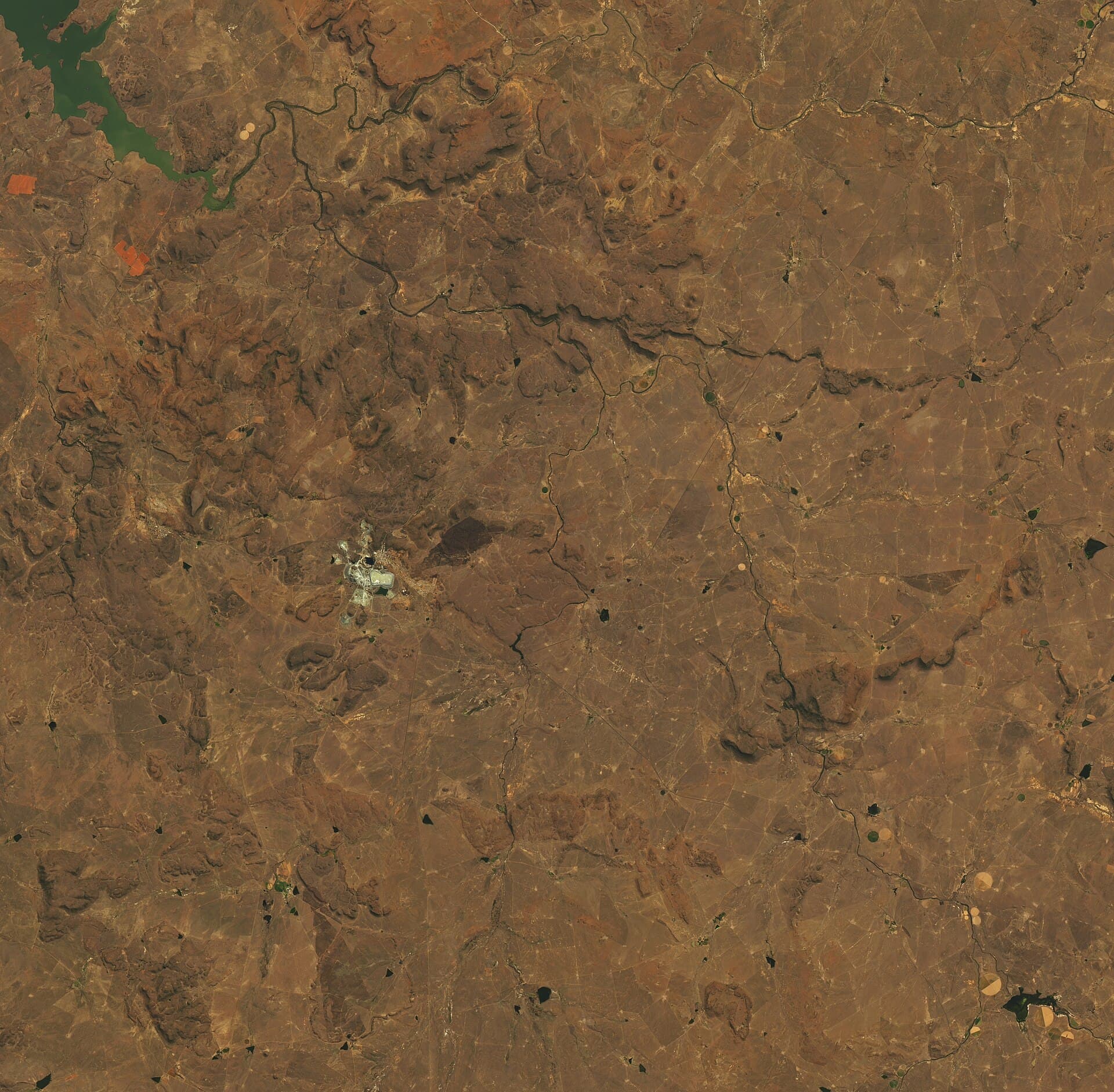
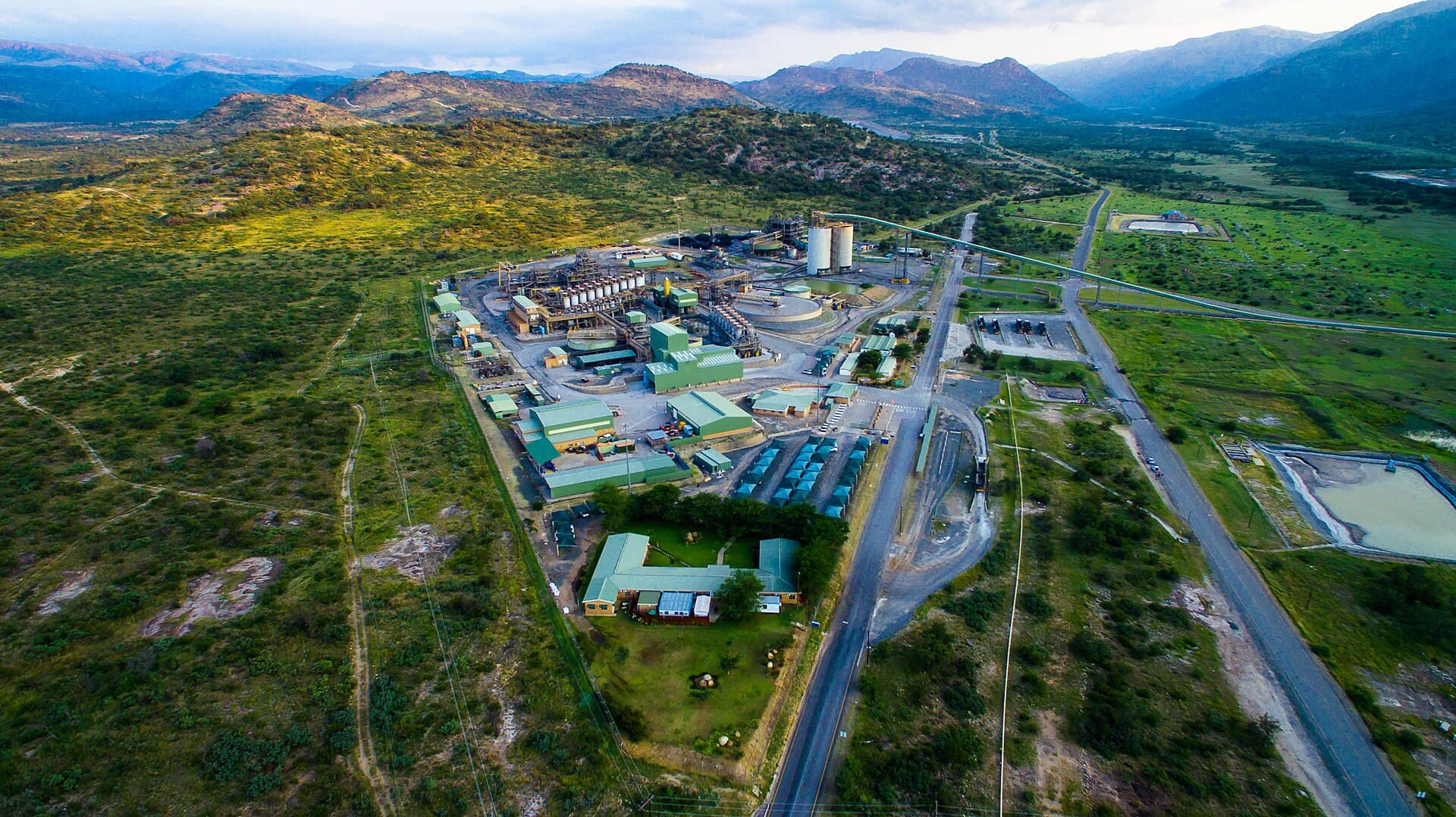
Photo: The Jagersfontein tailings dam before its 2022 collapse. NASA Earth Observatory image created by Lauren Dauphin, using Operational Land Imager (OLI) on Landsat 8; data provided , Wikimedia Commons, Public domain.
Was this useful?
More from MiningWrap
The whole sector in one weekly read.
Deals, policy and markets — every Thursday.
Discussion
Loading comments…