
Niger hands former Orano uranium ground to new state miner Tsumco
Cabinet awarded the In Azaoua permit near Arlit to a company created after the Somaïr nationalisation
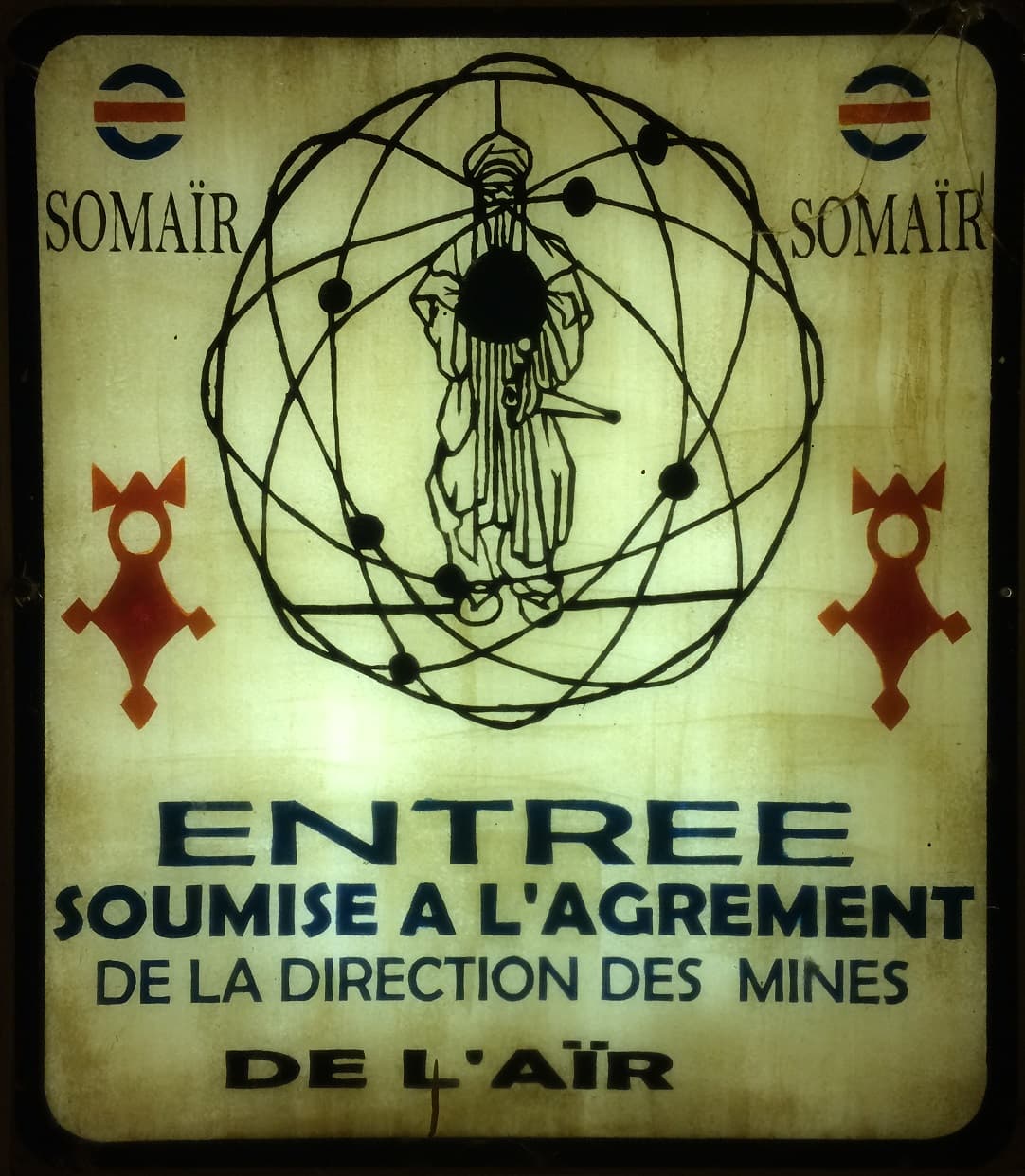
Niger's government awarded a uranium mining permit covering the In Azaoua perimeter, in the Arlit commune of the Agadez region, to Tsumco SA at a cabinet meeting on 21 August 2026. Tsumco was created by Niamey after it nationalised Société des Mines de l'Aïr — Somaïr — the uranium producer that had been controlled for decades by France's Orano.
Formalising ground already worked
According to Nigerien officials, Tsumco had already been exploiting the In Azaoua perimeter on an interim basis while awaiting a formal large-scale mining permit; the new decree simply regularises that arrangement. Local media also reported a second uranium permit granted in the same cabinet session to another state-linked company, Mamico, underlining the breadth of Niger's push to rebuild a uranium sector under domestic control.
Part of a wider restructuring
The permit award is the latest step in a restructuring of Niger's uranium industry that began in 2024, when the military government revoked the operating licence of Canadian junior GoviEx's Madaouela project, and accelerated in 2025 with the nationalisation of Somaïr and an escalating legal dispute with Orano over ownership of uranium stockpiles at the mine.
Why it matters
Niger was historically one of the world's most important uranium producers, and Arlit has been the centre of that industry since the 1970s. By channelling former Orano ground to newly created national companies, Niger's government is betting it can keep producing and exporting uranium — via new buyers willing to work outside the French nuclear supply chain — even as its dispute with Orano over the Somaïr stockpile remains unresolved through ICSID arbitration.
What happens next
Tsumco and Mamico will need financing, technical partners and export routes to turn permits into meaningful production, given that Orano's departure stripped the sector of decades of operating expertise and established customer relationships. How quickly Niger can attract new investment, and whether Western utilities are willing to buy uranium from the restructured sector, will determine whether the permit award marks a genuine revival or a prolonged period of reduced output.
Sources
- World Nuclear News: Niger awards Arlit uranium mining permit to state-owned company, 22 Aug 2026
- MINING.COM: Niger awards former Orano-operated uranium mine to state company, 22 Aug 2026
Photo: A building in Arlit, Niger, the town at the centre of the country's uranium mining industry. NigerTZai, Wikimedia Commons, CC BY-SA 4.0.
Was this useful?
More from MiningWrap
The whole sector in one weekly read.
Deals, policy and markets — every Thursday.
Discussion
Loading comments…