Kamoa-Kakula smelter starts up as hydropower imports climb
A 40% jump in imported hydroelectricity let Ivanhoe begin commissioning its direct-to-blister copper smelter
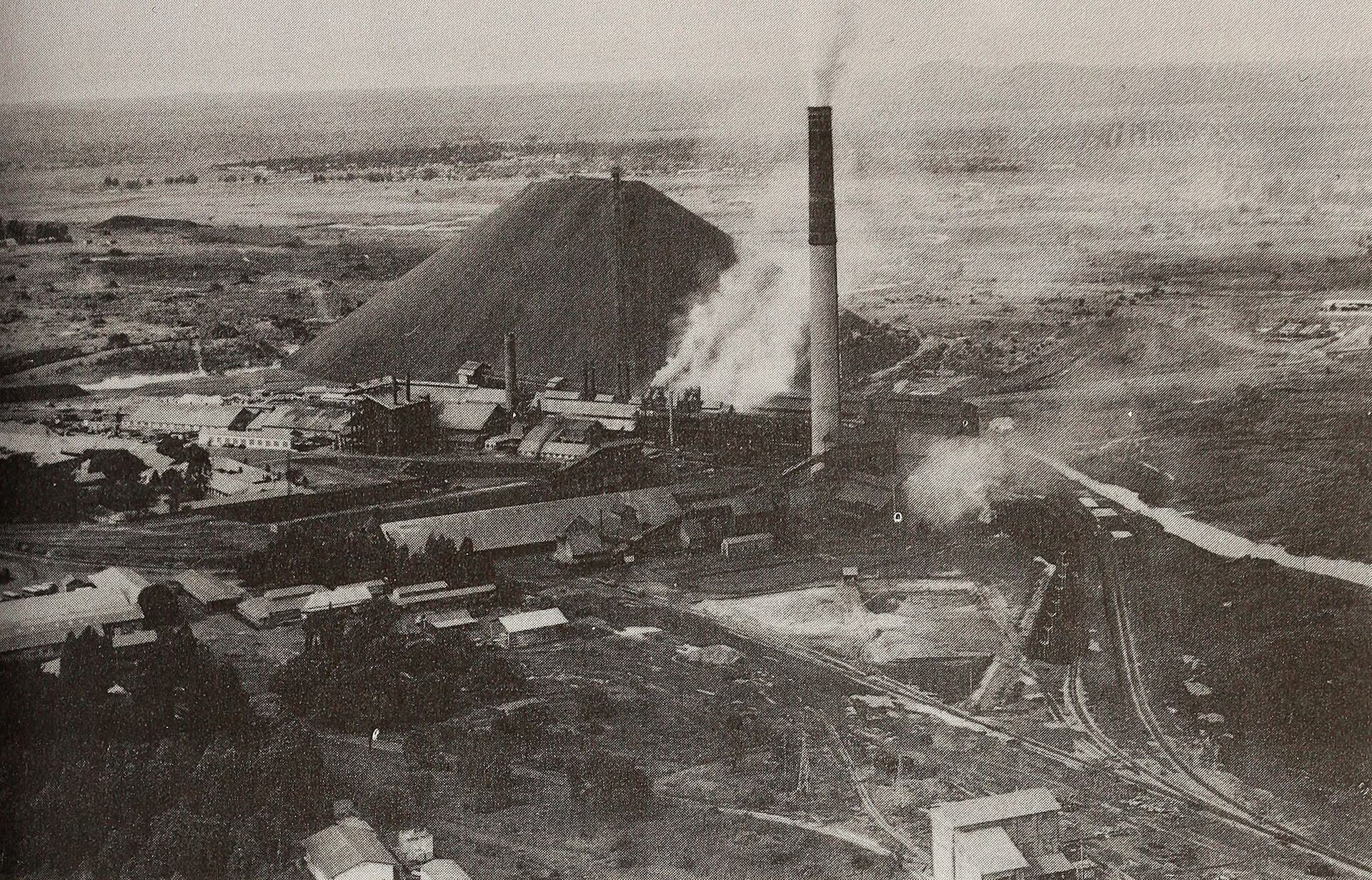
Ivanhoe Mines has begun commissioning the copper smelter at its Kamoa-Kakula complex in the Democratic Republic of Congo, after a sizeable increase in imported hydroelectric power removed one of the project's last major bottlenecks.
The company said imported hydroelectric power at Kamoa had risen 40%, or 20 megawatts, to 70MW in mid-March, with a further increase to 100MW expected in the following weeks. Kamoa-Kakula draws 50MW of domestically generated hydroelectricity and another 50MW of imports to run its three-phase operation, which requires 130 to 140MW in total, with the balance generated on site.
A 'major turning point'
The extra imported power allowed Ivanhoe to start the initial heat-up process for its 500,000-tonne-per-annum direct-to-blister smelter, with first production of 99.7%-pure copper anode targeted for July 2025 and a ramp-up to 80% capacity by year-end. Founder Robert Friedland said the new plant would cut the company's C1 cash costs significantly, thanks to a more than 50% reduction in transport costs once concentrate no longer needs to be trucked to third-party smelters. "We are delighted that Kamoa-Kakula's growing pains, which led to power challenges, are behind us," he said.
Why power mattered
Power availability has long been the binding constraint on mining growth in the DRC's Katanga copperbelt, where state utility SNEL's ageing hydropower fleet has struggled to keep pace with a construction boom. Kamoa-Kakula's reliance on a mix of domestic and imported hydroelectricity illustrates how even the best-endowed projects in the region have had to secure power years in advance of full production, often through direct investment in transmission and generation infrastructure alongside their host utility.
Once fully ramped, the smelter was expected to hold about 17,000 tonnes of copper within its processing circuit. The milestone would prove to be only the first of several: the smelter's actual heat-up would not occur until November, first anode production followed in December, and by the following January Ivanhoe was able to declare it operational — a reminder of how long the path from commissioning announcement to steady output can run, even before the seismic disruption that would soon test the project's timeline further.
Sources
Photo: A copper smelter in the DRC's Katanga copperbelt region. Gécamines (Zairian company), Wikimedia Commons, Public domain.
Was this useful?
More from MiningWrap

The whole sector in one weekly read.
Deals, policy and markets — every Thursday.
Discussion
Loading comments…