First Quantum's $500m wind-and-solar plan for its Zambian mines stays on track
The 430MW Kansanshi and Sentinel project pairs daytime solar with night-time wind to cut reliance on Zesco's drought-hit hydropower
First Quantum Minerals says development of its 430MW wind-and-solar power project for its Kansanshi and Sentinel copper mines in Zambia remains on track, as the company works with partners Total Eren and Chariot to reduce its reliance on hydropower from the drought-exposed national grid. The roughly $500 million project pairs a 230MW solar plant with a 200MW wind farm, designed so that solar generation during the day is complemented by wind output at night, providing more consistent supply than either technology alone.
The project is expected to create more than 1,200 jobs during construction, with a focus on local hiring in Zambia's North-Western Province, where both Kansanshi and Sentinel operate. First Quantum has said that by generating its own electricity, the company will reduce pressure on Zesco, the national utility, "allowing more power to be available for homes, schools, and small businesses" — an argument aimed at positioning the project as a benefit to the wider Zambian grid, not just to First Quantum's own mines.
A response to years of power insecurity
The project was first announced in 2022, but has taken on renewed urgency as Zambia's mining sector has repeatedly faced electricity shortages tied to drought-reduced output at the Kariba and Kafue hydropower stations. First Quantum's Kansanshi and Sentinel operations are among the largest single electricity consumers in Zambia's mining sector, and unreliable grid supply has previously forced the company to curtail output or rely on more expensive emergency power imports.
One of several mine-led power projects
First Quantum's wind-and-solar development sits alongside a broader wave of mining-company-led power investment in Zambia, including Vedanta's planned 300MW coal plant for Konkola Copper Mines and Copperbelt Energy Corporation's own renewable expansion. Together, these projects reflect a shift among Zambian copper producers toward directly securing their own power supply rather than depending solely on Zesco, even as the national utility reports improved hydropower generation and a more stable outlook for 2026. For First Quantum, the calculation is straightforward: with copper production increasingly dependent on continuous power for hoisting, processing and eventually smelting, the cost of building dedicated generation is preferable to the risk of further drought-driven outages.
Sources
Was this useful?
More from MiningWrap
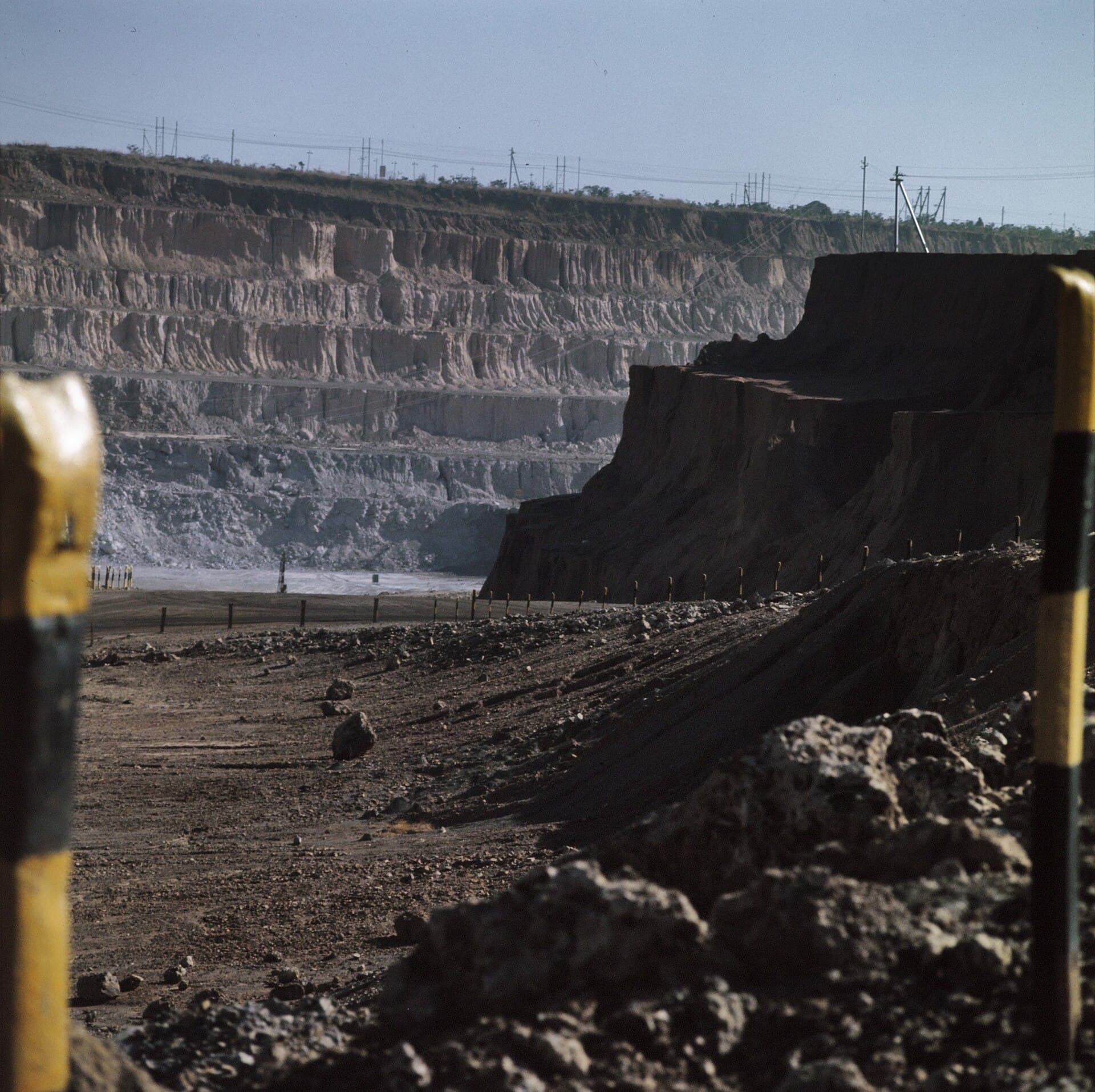
Kamoa-Kakula switches on Africa's first solar-and-battery baseload plant
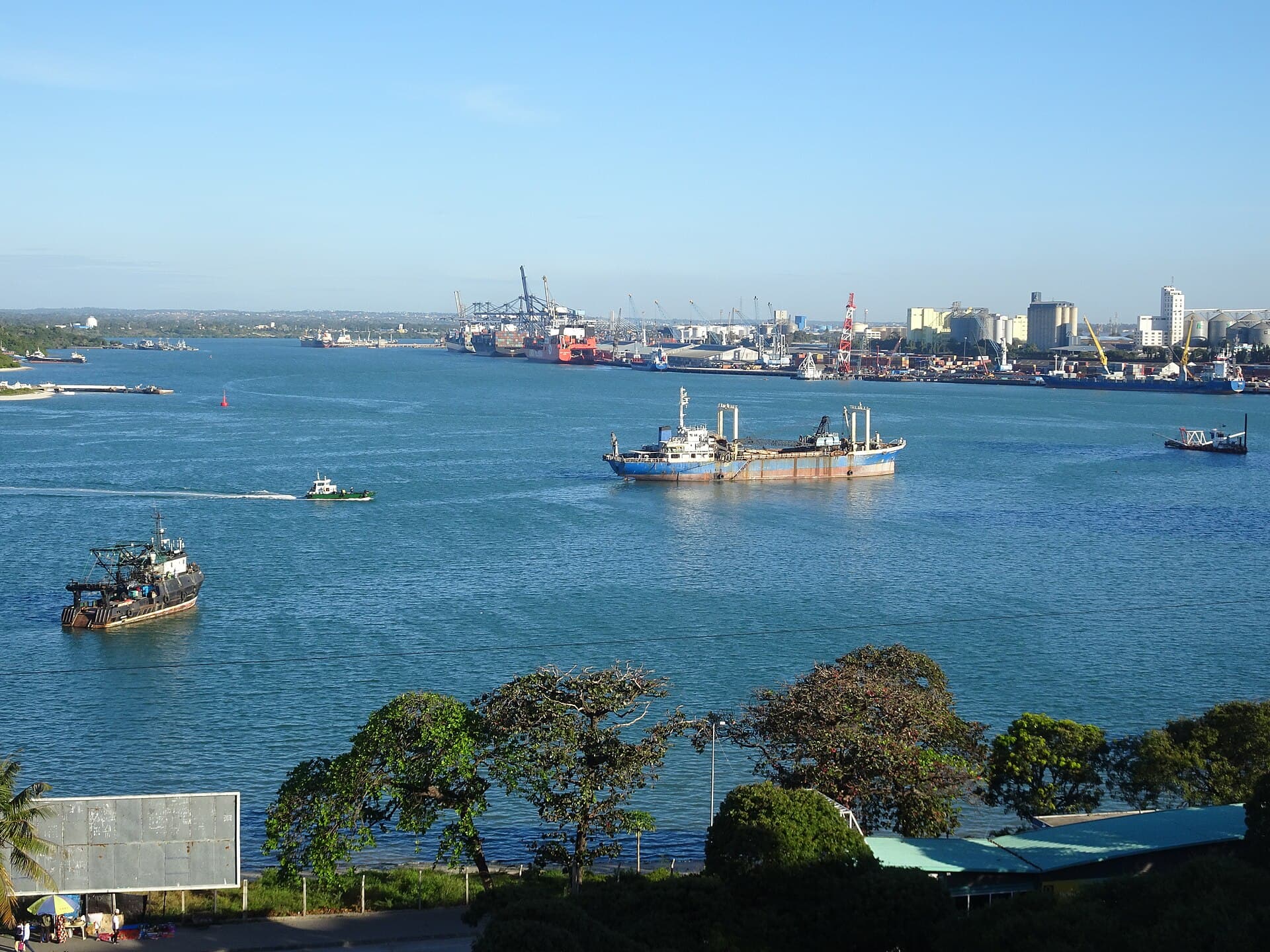
Tanzania expands Dar es Salaam port as DRC plans dedicated mineral dry port
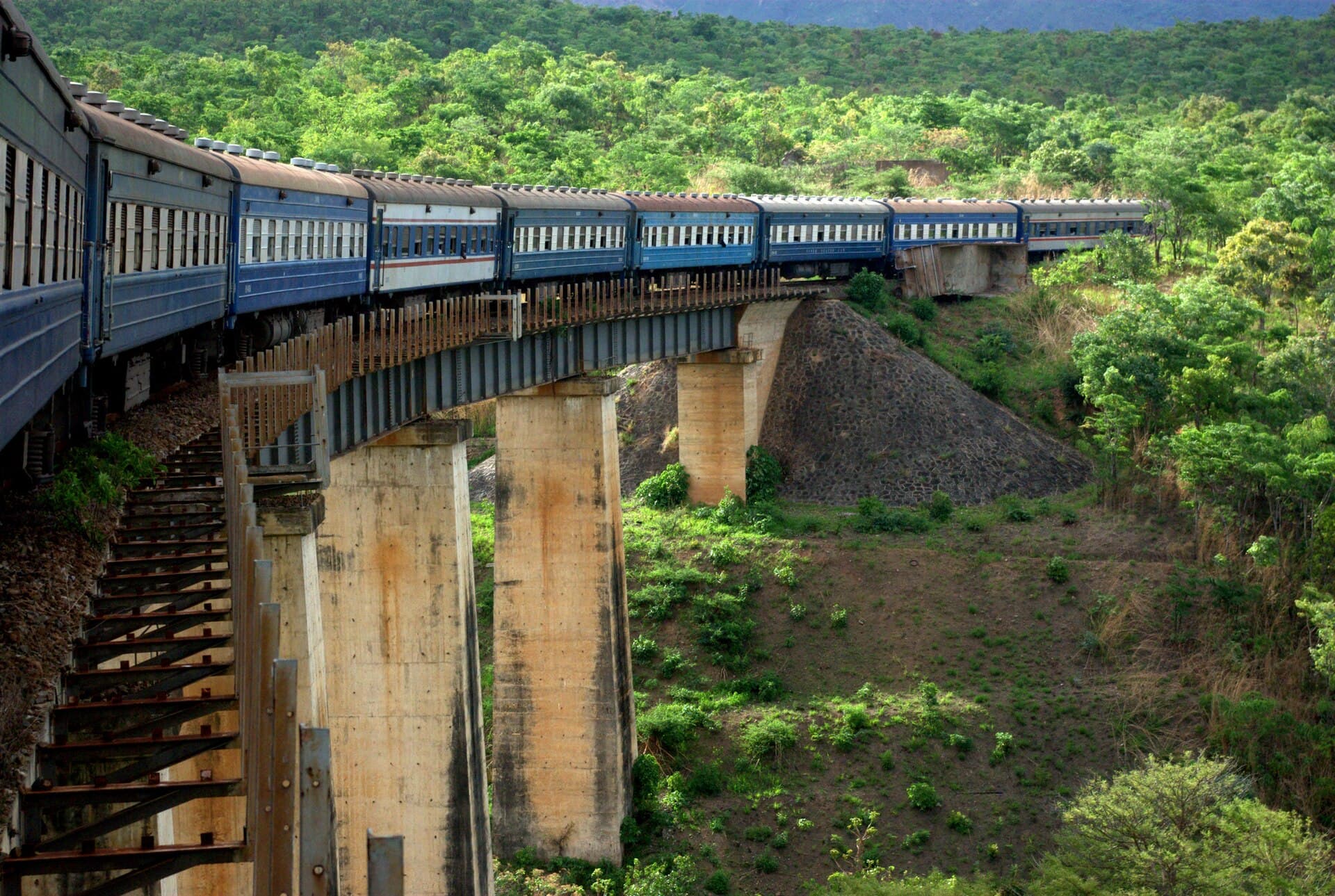
TAZARA revival breaks ground on Dar es Salaam control centre
Maamba Energy's 300MW expansion nears completion, doubling Zambia's biggest IPP
The whole sector in one weekly read.
Deals, policy and markets — every Thursday.
Discussion
Loading comments…