
Ethiopia Opens $50 Million Gold Refinery with Capacity to Process 600 Tonnes Annually
Ethiopia has opened a $50 million precious metals refinery in Addis Ababa, giving the country new capacity to refine gold locally and attract supplies from neighbouring countries.
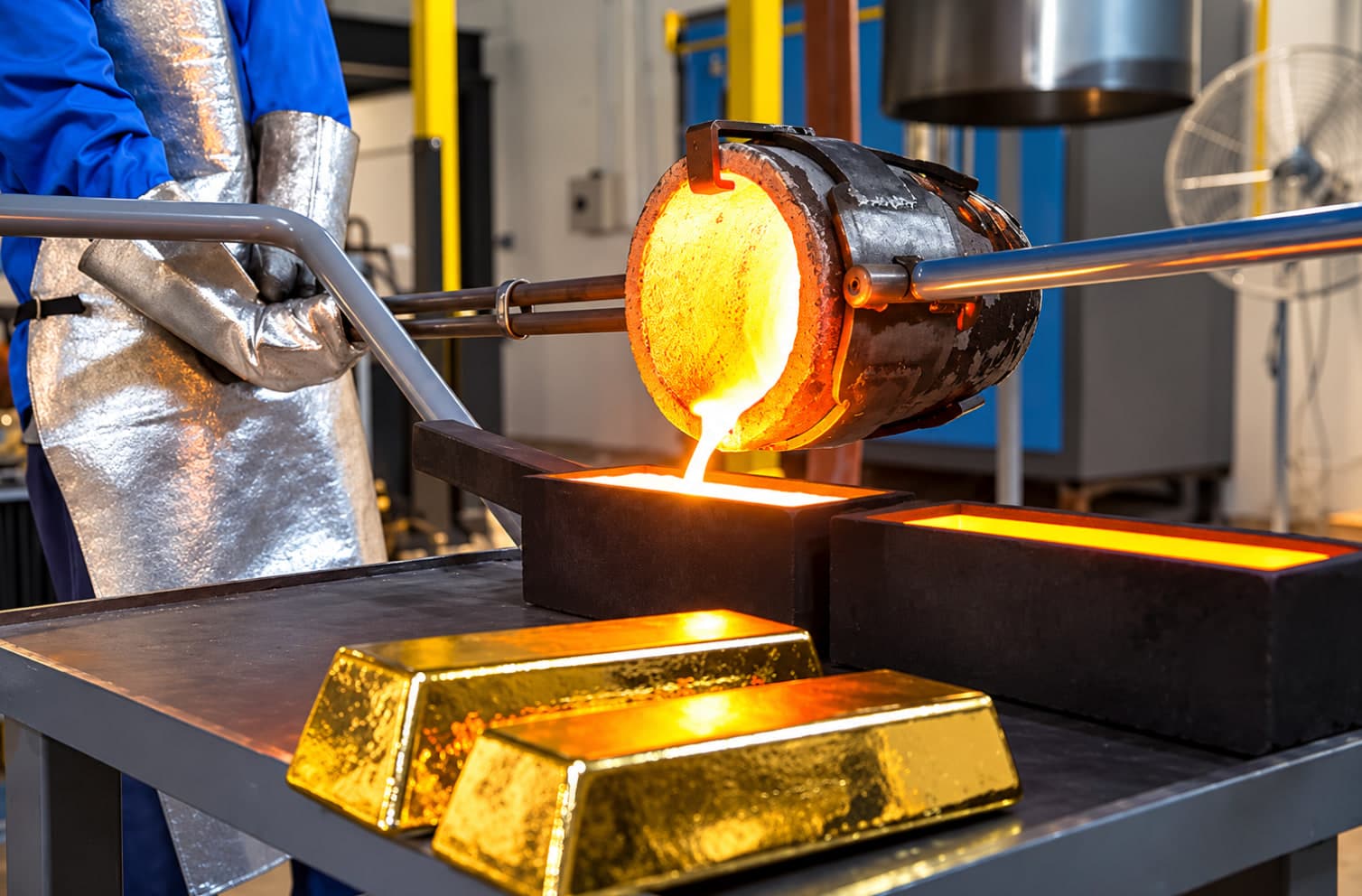
Ethiopia has opened a $50 million precious metals refinery in Addis Ababa, giving the country new capacity to refine gold locally and attract supplies from neighbouring countries.
The National Precious Metals Refinery was inaugurated on 10 October 2026 at the Bole Lemi Special Economic Zone. The facility is a joint venture between state-owned Ethiopian Investment Holdings (EIH), which owns 51%, and international investor Sam Precious Metals, which holds the remaining 49%.
The refinery is designed to process more than 600 tonnes of precious metals annually at full capacity. Its services include gold testing, refining, casting and the production of minted bars. It will also process silver.
Ethiopia Targets More Local Processing
Ethiopia wants to retain more value from its gold industry instead of exporting material for refining elsewhere. Prime Minister Abiy Ahmed said the facility would allow domestic producers and mining companies from neighbouring countries to bring their gold to Ethiopia for refining, certification and sale.
Gold has become an important source of foreign exchange for Ethiopia. The country earned approximately $5.6 billion from gold exports in 2025. The new refinery gives Ethiopia additional infrastructure to test gold purity, produce export-ready bullion and capture more value through advanced processing.
The facility could also serve regional mining companies that need refining and certification services. If it attracts enough external supply, Ethiopia could develop a larger role in the regional precious metals trade.
Capacity and Supply Will Determine Its Impact
The refinery’s announced annual capacity of more than 600 tonnes covers precious metals, rather than gold alone. Officials have not yet disclosed how much gold the facility will process in its first year or when it expects to reach full capacity.
Securing a steady supply of material will be important. The refinery will need to attract Ethiopian producers and regional mining companies while offering competitive processing services and meeting the quality standards required by international buyers.
The project could also create demand for laboratory testing equipment, refining technology, secure gold handling and traceability systems. Its contribution to the wider mining industry, however, will depend on actual throughput and the number of producers using its services.
Was this useful?
More from MiningWrap

The whole sector in one weekly read.
Deals, policy and markets — every Thursday.
Discussion
Loading comments…