
Zimbabwe's Redwing Mine Targets November Gold Restart as Policy Deadline Nears
Namib Minerals is bringing Redwing Mine back into production ahead of schedule, with the company targeting its first gold pour in November 2026. The accelerated restart follows Zimbabwe’s new rules for foreign-owned operators in the small- and medium-scale gold mining sector.
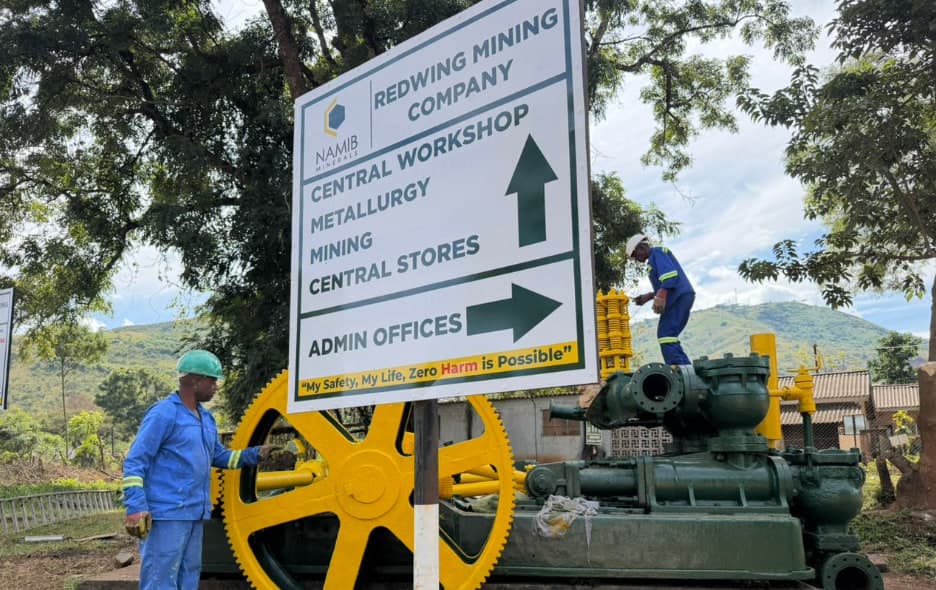
Namib Minerals is bringing Redwing Mine back into production ahead of schedule, with the company targeting its first gold pour in November 2026. The accelerated restart follows Zimbabwe’s new rules for foreign-owned operators in the small- and medium-scale gold mining sector.
Namib Minerals has moved to accelerate the restart of Redwing Mine in Zimbabwe after completing several major rehabilitation activities, including dewatering, refurbishment of the South Shaft winder and the resumption of crushing operations.
The company announced on 3 November that it expects to begin producing gold in November, with the remaining processing work focused on commissioning the milling, elution and carbon-in-pulp circuits during the first half of the month.
The announcement marks a change from the timetable Namib outlined earlier in the year. Its previous plan placed production after completion of a Definitive Feasibility Study, which was expected to conclude in early 2027. The company is now pursuing the initial restart alongside the ongoing feasibility and resource-definition programmes.
Mine rehabilitation brings production closer
Redwing’s restart has progressed through several infrastructure milestones. Namib restored grid power to the mine in June 2026, allowing work on dewatering and the rehabilitation of underground and surface facilities to advance.
The company completed dewatering in September, giving it access to the underground workings. During the same month, it refurbished and recommissioned the South Shaft winder, which provides access for workers and transports ore and materials.
The crushing plant was refurbished and recommissioned in October, with crushing activities subsequently resuming. Milling, elution and carbon-in-pulp processing remain the key steps before the mine can produce its first gold.
Redwing has a substantial production history. It produced approximately 650,000 ounces of gold between 1981 and 2023, and Namib is seeking to use its existing mine and processing infrastructure to support the return to operations.
Zimbabwe's new mining rules influence the timeline
The accelerated restart follows a policy introduced by Zimbabwe’s Ministry of Mines and Mining Development that reserves the small-scale gold mining sector for Zimbabwean citizens and wholly Zimbabwean-owned entities.
Under the framework, small- and medium-scale gold operations are defined as those producing up to 20 kilograms of gold per month and/or involving capital investment of up to US$15 million. Existing foreign-controlled operators in this category must regularise their operations by 1 January 2027, including by moving beyond the prescribed production or investment thresholds.
The policy has implications for foreign-owned companies operating mines that have remained under care and maintenance. Namib previously indicated that Redwing and its Mazowe mine did not meet the new requirements while inactive.
The company has therefore brought forward Redwing’s initial production plans. Its proposed increase to 835 ounces per month would put output above the policy’s 20-kilogram monthly production threshold, although the company has not presented the restart announcement as confirmation that all regulatory requirements have been met.
Production expected to increase in 2027
Namib initially expects Redwing to process approximately 3,600 tonnes of ore per month, producing around 338 ounces of gold monthly.
The company plans to increase throughput to approximately 10,000 tonnes per month and gold production to 835 ounces by the second quarter of 2027. That expansion depends on additional underground winding capacity.
Namib has ordered a higher-capacity winder, which it expects to receive by the end of the first quarter of 2027. Its installation and commissioning will be important for increasing the volume of ore transported to the surface and supporting higher processing rates.
The November restart is an initial production phase rather than the completion of Redwing’s wider redevelopment. The mine’s longer-term development programme remains linked to the feasibility study and further resource-definition work. Read About More Like This HERE
Was this useful?
More from MiningWrap
The whole sector in one weekly read.
Deals, policy and markets — every Thursday.
Discussion
Loading comments…