Zimbabwe's first lithium rail shipment reaches Maputo via Beitbridge
A 1,000-tonne consignment from Tsingshan's Gwanda mine opens a 1,000km rail alternative to trucking concentrate to port
Zimbabwe's National Railways of Zimbabwe (NRZ) has moved its first rail consignment of lithium concentrate to the Mozambican port of Maputo, transporting 1,000 metric tonnes from Tsingshan Holding Group's Gwanda Lithium Mine in southern Zimbabwe along a newly assembled, roughly 1,000-kilometre rail route. The shipment travelled 180 kilometres from Gwanda to Beitbridge on the Beitbridge Bulawayo Railway (BBR), a subsidiary of South Africa's Grindrod, before continuing more than 300 kilometres on NRZ track to the Chicualacuala border crossing and a further 522 kilometres to Maputo on the Limpopo line.
The service was assembled through a partnership between NRZ, BBR and Zimbabwean logistics firm Silvergill, giving lithium producers a rail-based alternative to the road haulage that has dominated the export of concentrate from Zimbabwe's fast-growing lithium sector.
A big enough industry to justify a dedicated corridor
Zimbabwe exported 1.13 million tonnes of lithium concentrate to China in 2025, equivalent to roughly 15% of global lithium concentrate imports, making the country one of the most significant sources of hard-rock lithium feedstock for Chinese battery supply chains. That volume has strained the road network between Zimbabwe's lithium mines and the ports historically used for export, prompting NRZ and its partners to formalise a rail option specifically tailored to the concentrate's flow from mine to coast.
A template beyond Gwanda
Tsingshan's Gwanda operation is one of several Chinese-owned lithium mines that have driven Zimbabwe's rapid rise as a lithium supplier since the country moved to ban the export of unprocessed lithium ore and require greater local beneficiation. If the rail corridor proves reliable, other Zimbabwean lithium producers — many of them also Chinese-owned, including operations at Bikita, Arcadia and elsewhere — could shift volumes from road to rail along the same route, easing pressure on the road network and potentially cutting transport costs for an industry increasingly central to Zimbabwe's export earnings. NRZ officials have said they are already in talks with other lithium miners about extending similar rail arrangements once capacity on the Beitbridge-Maputo route is confirmed to be reliable at scale.
Sources
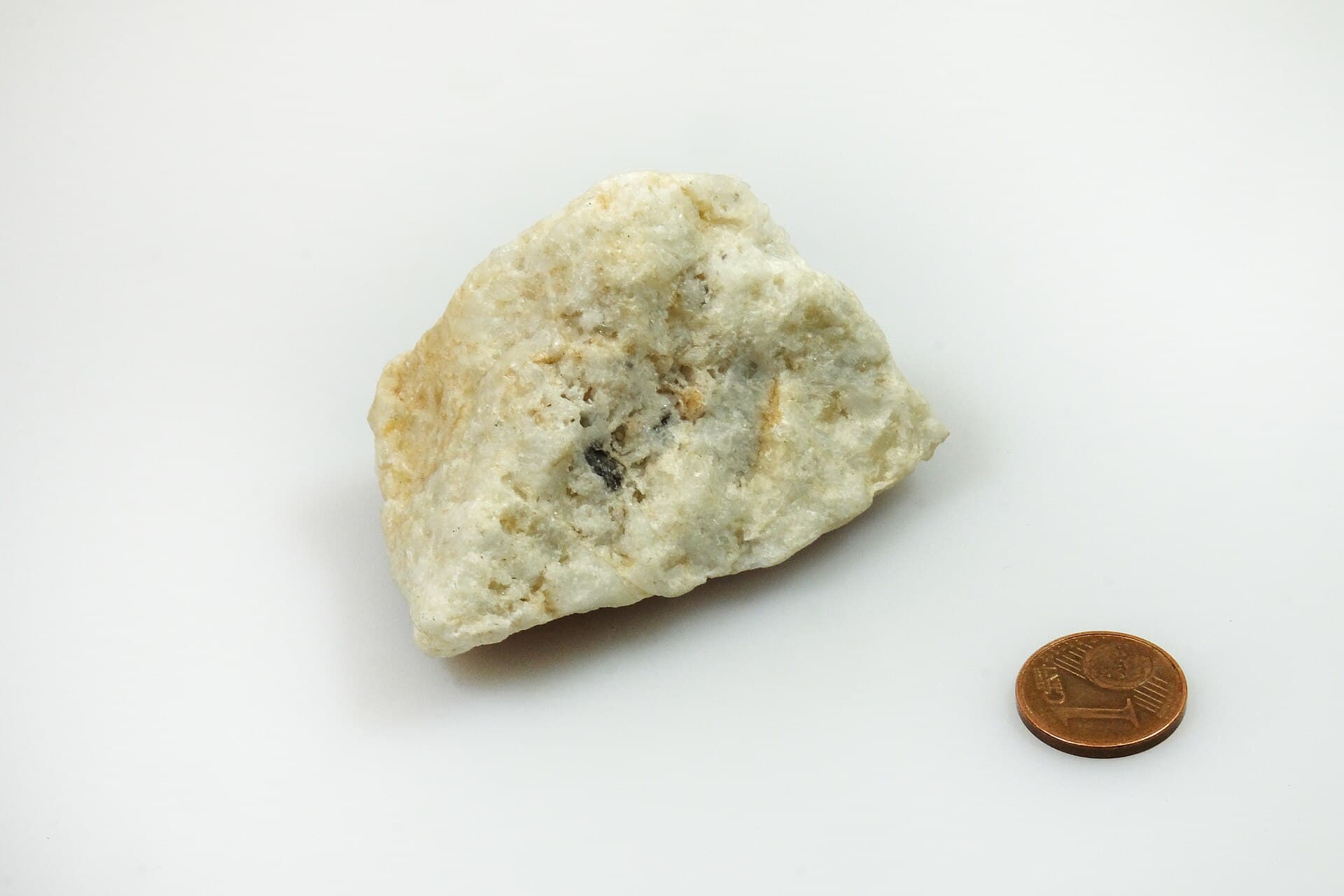
Photo: Lithium-bearing minerals from Bikita, Zimbabwe, part of the country's growing hard-rock lithium sector. Kaethe17, Wikimedia Commons, CC BY-SA 4.0.
Was this useful?
More from MiningWrap

The whole sector in one weekly read.
Deals, policy and markets — every Thursday.
Discussion
Loading comments…