Wesizwe Platinum to cut 70% of staff as it abandons phased ramp-up plan
The Chinese-backed Bakubung mine will move straight to 3.5 million tonnes a year of throughput after its gradual commissioning approach failed
Wesizwe Platinum, the 45%-Chinese-owned developer of the Bakubung mine in South Africa's North West province, said it would cut around 70% of its workforce, affecting roughly 497 of its 706 employees, as it abandoned a gradual ramp-up plan that had failed to successfully commission the operation. The company said maintaining current staffing levels while the old plan stalled would not address its "operational challenges," and that the restructuring was necessary to implement efficiency measures and restore a path to profitability.
From gradual ramp-up to a single leap
Wesizwe's original strategy called for a gradual increase to one million tonnes of ore a year, working toward an eventual target of 420,000 oz of PGMs annually. That approach has now been abandoned in favour of moving directly to 3.5 million tonnes a year of throughput, a far larger single step that the company believes offers a more viable path to sustainable production than the incremental approach that preceded it.
A troubled history
Bakubung's problems were not limited to commissioning difficulties. The mine had experienced three strikes between 2022 and 2025, including an illegal underground sit-in, alongside technical changes to its mining method and persistent problems at its concentrator plant. Financial and governance issues, including a JSE suspension for late reporting, further complicated the project, whose development had by mid-2026 stretched over more than 17 years since it was first conceived.
Wesizwe's difficulties stood in sharp contrast to the broader optimism sweeping South Africa's platinum sector at the same point in the price cycle. While Implats, Valterra and Northam were reporting record dividends and considering new growth projects, Bakubung illustrated that higher PGM prices alone could not rescue a project undermined by years of technical, governance and labour problems. The scale of the staff reduction, and the decision to abandon a carefully staged ramp-up in favour of a single large step, reflected a company running out of easier options and betting that a bigger, faster commitment was now less risky than continuing to limp toward its original targets. Industry observers said Bakubung's struggles served as a cautionary example of how difficult it remains to commission a new PGM mine even when metal prices are supportive.
Sources
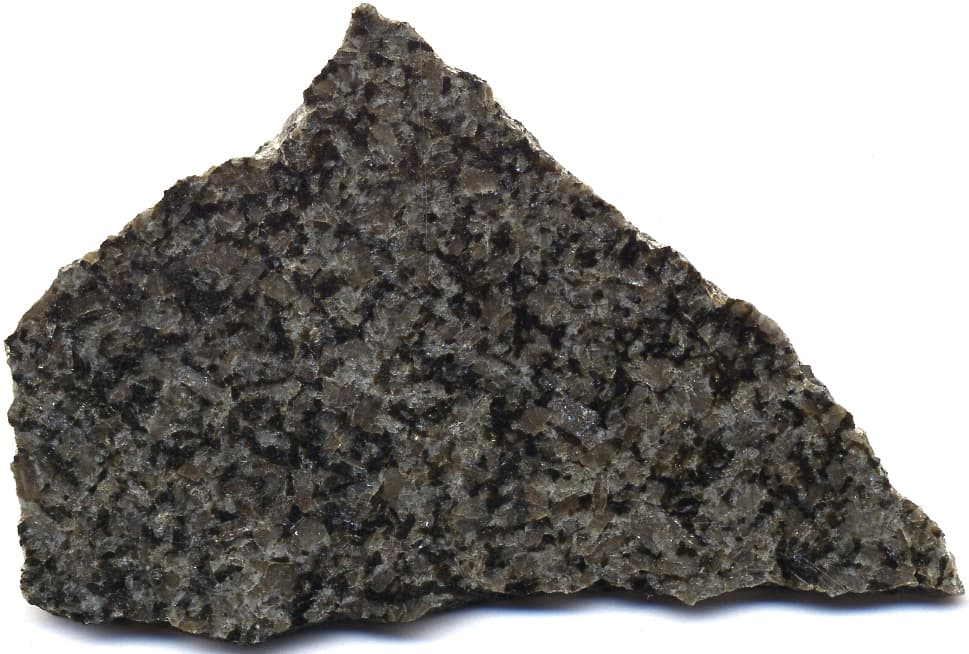
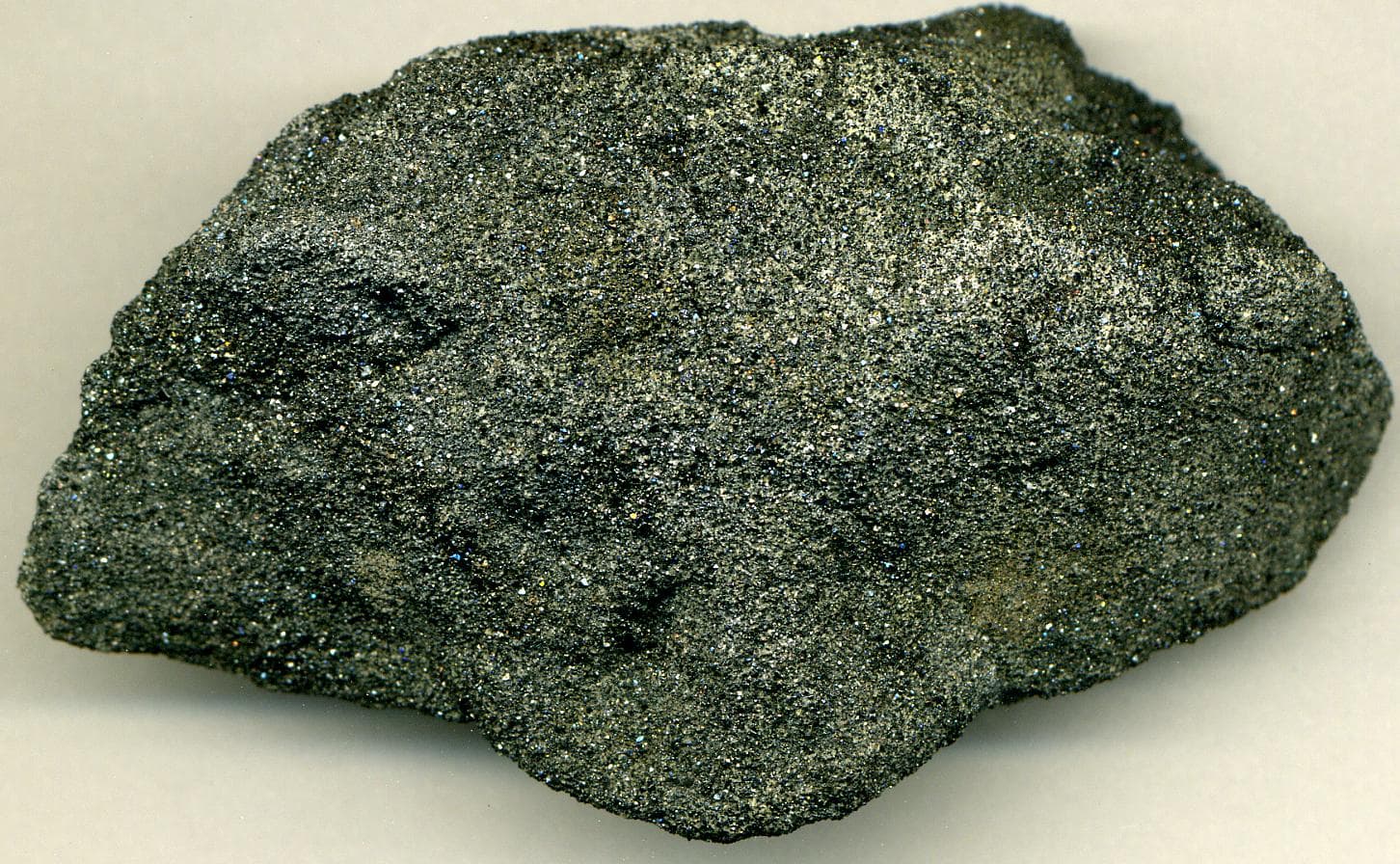
Photo: Bushveld Complex rock from North West province, where Wesizwe's troubled Bakubung mine is located. James St. John, Wikimedia Commons, CC BY 2.0.
Was this useful?
More from MiningWrap
The whole sector in one weekly read.
Deals, policy and markets — every Thursday.
Discussion
Loading comments…