
Senegal’s Mining Reform Plans Face Funding Test After Committee Rejects 2027 Budget
Senegal’s plans to strengthen control over its mineral resources and expand local processing face an early funding hurdle after parliament’s Finance and Budgetary Control Committee rejected the mining ministry’s proposed CFA7.46 billion budget for 2027.
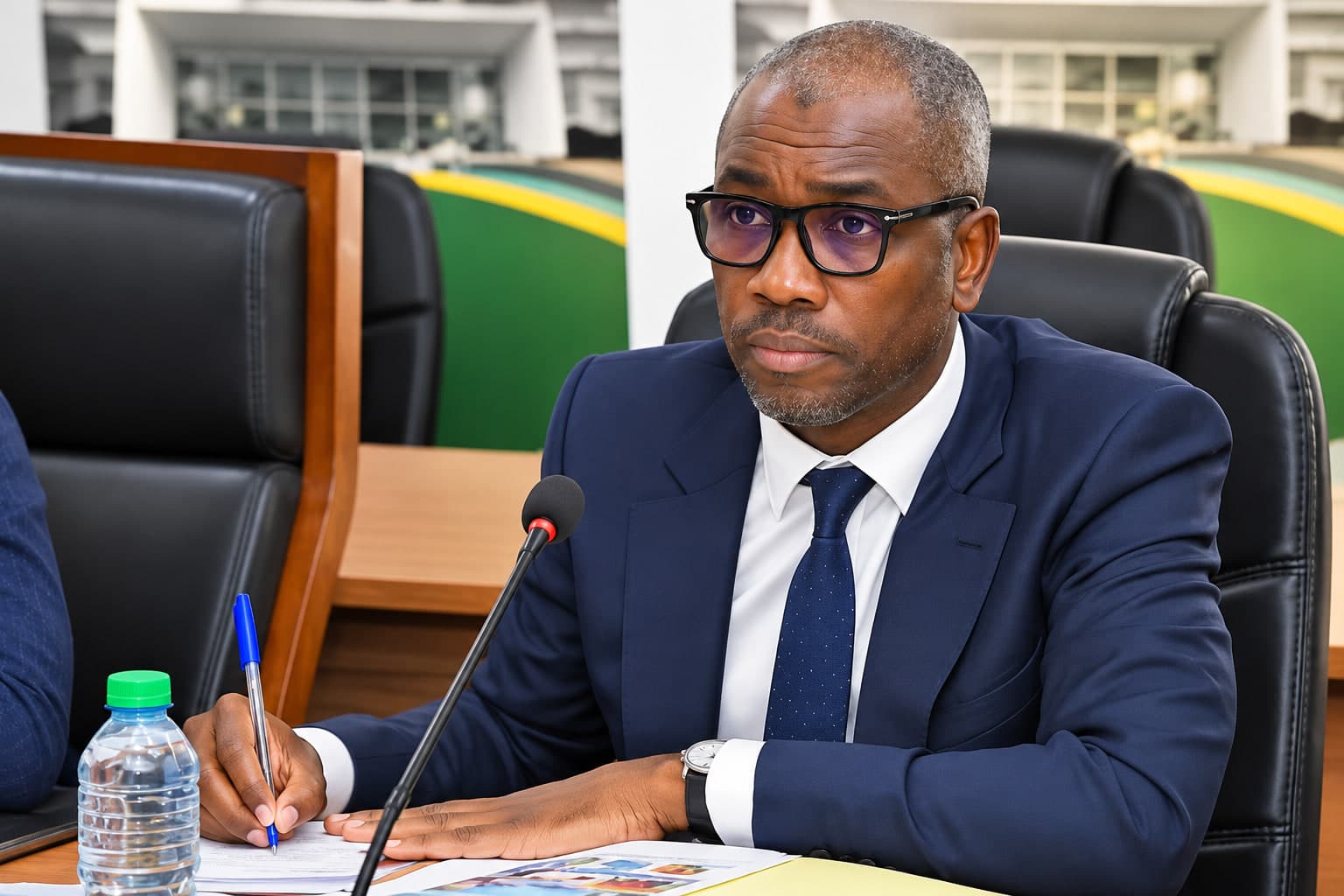
Senegal’s plans to strengthen control over its mineral resources and expand local processing face an early funding hurdle after parliament’s Finance and Budgetary Control Committee rejected the mining ministry’s proposed CFA7.46 billion budget for 2027.
Mines Minister Cheikhou Oumar Seck presented the allocation on 11 November, outlining a programme centred on improving geological data, tightening oversight of artisanal gold mining and increasing the economic value retained from mineral production.
The committee’s decision came only hours after the presentation. It does not end the budget process, however, as the proposal must still go before Parliament in a plenary session.
Geological mapping and environmental oversight take priority
The proposed spending provides a clearer picture of the government’s priorities. The ministry has allocated CFA1.8 billion to geological mapping and identifying mineral materials that could support construction projects. Better geological information is intended to improve the understanding of Senegal’s resource base and inform future development decisions.
A further CFA3.72 billion is earmarked for sustainable mineral resource management. This includes monitoring artisanal gold mining, rehabilitating abandoned mining sites and strengthening environmental oversight.
Local gold processing is another priority. Senegal wants more value from its mineral production to remain within the country rather than leaving the economy through the export of minimally processed resources.
Senegal targets higher mining revenue and formalisation
These spending plans form part of a wider effort to overhaul the sector. The government has started reviewing mining licences and is preparing a new Mining Code to update the rules governing mineral development. Authorities are also seeking stronger control over artisanal gold mining, where informal operations make it harder to monitor production, enforce environmental standards and capture revenue.
The government has set a target of increasing annual mining revenue to CFA600 billion by 2029, up from CFA370 billion in 2019. It also wants at least half of artisanal gold miners operating formally by that year, bringing more production into regulated channels.
The proposed budget is therefore more than an annual allocation. It is intended to finance some of the administrative, geological and environmental work required to meet those targets.
Parliamentary rejection leaves funding decision open
The committee's rejection came amid wider disagreements between lawmakers and the government over the 2027 finance bill, with several ministries facing similar setbacks. The mining ministry’s proposed funding now moves to the plenary stage, where parliamentarians will consider the national budget before its adoption.
Was this useful?
More from MiningWrap
The whole sector in one weekly read.
Deals, policy and markets — every Thursday.
Discussion
Loading comments…