
DRC Residents Sue Zijin Controlled COMMUS Mine Over US$6.3m Pollution Claims
Twenty seven Kolwezi residents are suing Zijin-controlled COMMUS for US$6.3 million over alleged mining pollution, citing independent findings of elevated air pollution and contaminated water near the company's operations.
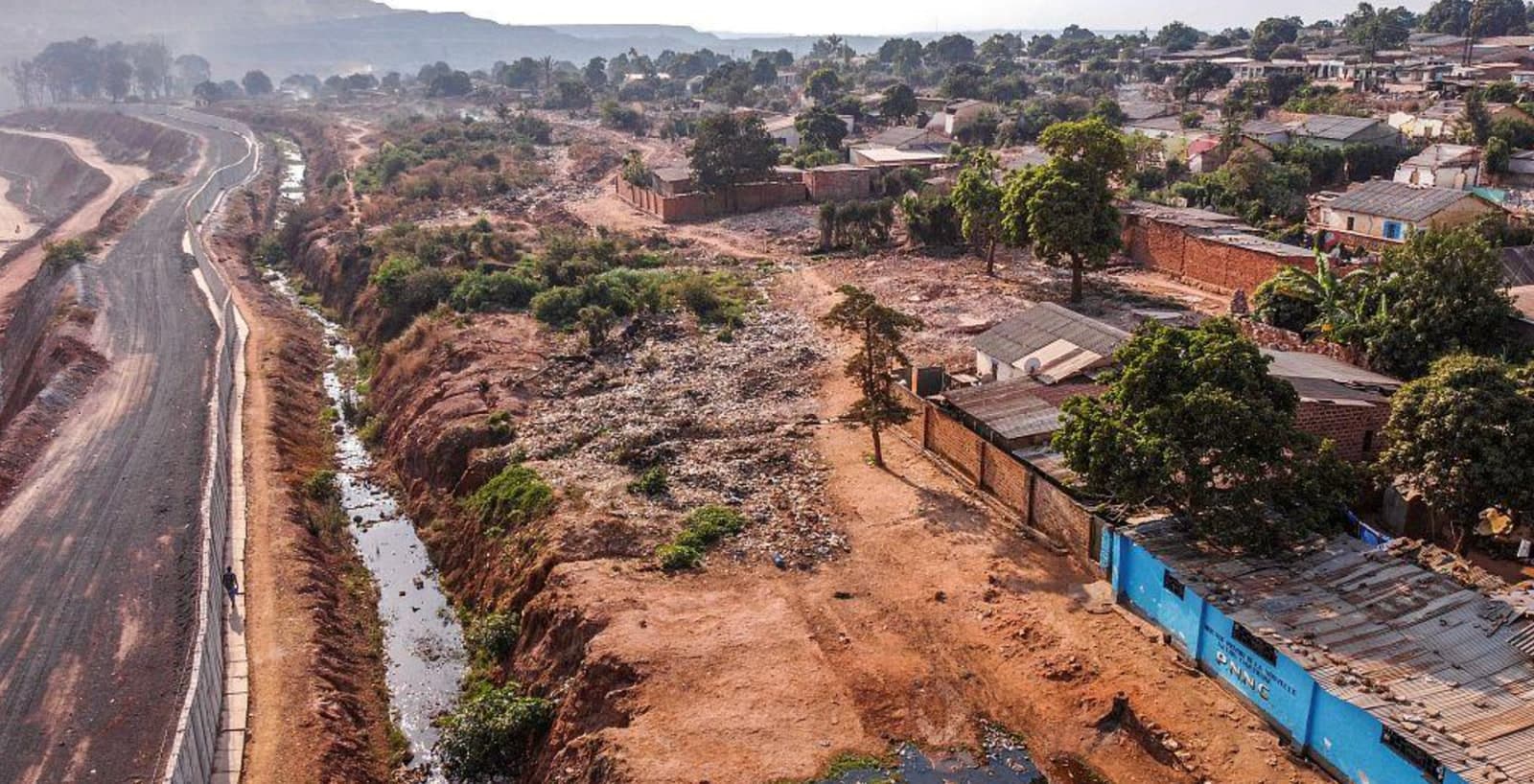
Twenty-seven residents of Kolwezi in the Democratic Republic of Congo (DRC), including eight children, have taken copper and cobalt producer COMMUS to court over alleged air, water and soil pollution linked to its mining operations.
The lawsuit, filed before the Commercial Court of Kolwezi, seeks approximately US$1.3 million in compensation and a further US$5 million for environmental restoration. The claimants also want the company to stop the alleged pollution, clean up contaminated land and water, provide safe drinking water and fund an independent assessment of health risks in surrounding communities.
COMMUS, formally known as Compagnie Minière de Musonoie Global, is controlled by China's Zijin Mining. The case also names the Congolese government and the Congolese Environment Agency (ACE), which residents accuse of failing to adequately monitor the mine and enforce environmental regulations.
The first public hearing took place on 3 November 2026, but proceedings focused on procedural matters. The court has not yet examined the merits of the allegations or determined liability.
Independent Studies Support Residents' Claims
The legal action draws on environmental investigations conducted by Source International in collaboration with UK-based RAID and Congolese organisation AFREWATCH.
At Galaxy School, which serves approximately 1,500 pupils and is located less than 500 metres from a mining waste dump linked to COMMUS, researchers recorded a daily PM2.5 concentration of 44 micrograms per cubic metre. This was almost three times the World Health Organization's recommended daily guideline of 15 micrograms.
Further monitoring in Musonoi between 5 and 30 September recorded an average PM2.5 concentration of 77 micrograms per cubic metre, with all 26 daily averages exceeding the WHO guideline. Investigators also found highly acidic water and elevated metal concentrations in a community well near a mine tailings facility.
These findings document pollution indicators in the area, although the court must still determine whether COMMUS is responsible for the specific harm claimed.
Mining Company Disputes Pollution Allegations
COMMUS has maintained that its operations comply with Congolese environmental regulations. In a July 2026 response to RAID and AFREWATCH, the company argued that pollution in Kolwezi could have several sources, including historical mining activity and natural geological conditions. It also cited measures to control dust and manage wastewater and pledged further independent monitoring.
The claimants are relying on provisions of the DRC's mining legislation, including Article 285 bis, which places an evidentiary burden on mining companies to demonstrate that environmental damage was not caused by their operations in certain circumstances.
The case puts the company's environmental controls and the oversight responsibilities of Congolese authorities before the Commercial Court of Kolwezi.
Was this useful?
More from MiningWrap
The whole sector in one weekly read.
Deals, policy and markets — every Thursday.
Discussion
Loading comments…