Mali grants B2Gold the Menankoto permit, unlocking Fekola Regional
The satellite deposits near Fekola are expected to add more than 150,000oz a year from 2028, with the state holding 35%
The government of Mali has granted B2Gold's local subsidiary the Menankoto exploitation permit, the approval the Canadian miner needed to develop the Fekola Regional deposits in the west of the country. The company announced the award on 7 August 2026.
Fekola Regional covers satellite deposits on the Menankoto and Dandoko permits about 20km from the Fekola mine. B2Gold plans to truck ore from them to the existing Fekola processing plant. The permit was issued under Mali's 2023 mining code, and the ownership split reflects the tougher terms of that code: B2Gold will hold 65% of Fekola Regional and the state 35%, compared with the 80/20 structure at the Fekola mine itself.
Production outlook
B2Gold now expects Fekola Regional to ramp up through the end of 2027 and then produce more than 150,000oz a year from 2028 until the mid-2030s. Pre-stripping and the completion of a tolling agreement with the Fekola plant are the next steps. Chief executive Mike Cinnamond said the permit secures the operation's future into the late 2030s.
The approval ends a long wait. The satellite deposits contributed nothing in 2025 because the permit had not been granted, and B2Gold's February guidance had assumed an award in the first quarter of 2026. That delay, combined with lower grades, meant the company guided the Fekola complex to 410,000oz to 460,000oz for 2026, down on the previous year.
Fekola is outperforming
The main mine has nonetheless been running well. In its second-quarter results, released on 6 August, B2Gold reported Fekola output of 116,281oz for the quarter and 233,731oz for the first half, at a half-year AISC of $2,098/oz. Underground development at Fekola continues after Mali approved underground mining in 2025.
Across the group, which also operates Masbate in the Philippines, Otjikoto in Namibia and the Goose mine in Canada, B2Gold produced 203,648oz in the quarter. It narrowed its 2026 production guidance to 820,000oz to 920,000oz and trimmed its AISC range to $2,370/oz to $2,550/oz.
Why it matters
Fekola is one of Mali's largest gold mines, and the Menankoto award is one of the most significant new permits issued under the 2023 code. It comes after a period in which relations between Bamako and foreign miners were strained by disputes over tax and ownership, most visibly at Barrick's Loulo-Gounkoto complex.
B2Gold says it has invested about $2bn in Mali since 2014 and employs more than 3,300 people there, nearly all of them Malian. For the state, the higher 35% stake in Fekola Regional gives it a larger share of the cash flow as the satellite pits come on stream. For B2Gold, it gives Fekola a second life at a time when high gold prices make every additional ounce valuable.
Sources
- GlobeNewswire (B2Gold release): B2Gold Granted Fekola Regional Exploitation Permit by the State of Mali, 07 Aug 2026
- Stock Titan: B2Gold Reports Q2 2026 Results, 06 Aug 2026
- B2Gold: B2Gold Receives Approval from the State of Mali to Commence Underground Mining at Fekola, and a Defined Path Forward for the Fekola Regional Exploitation Permit
- Ecofin Agency: Mali Eyes Higher Gains From B2Gold's Fekola Regional in 2026, 20 Feb 2026
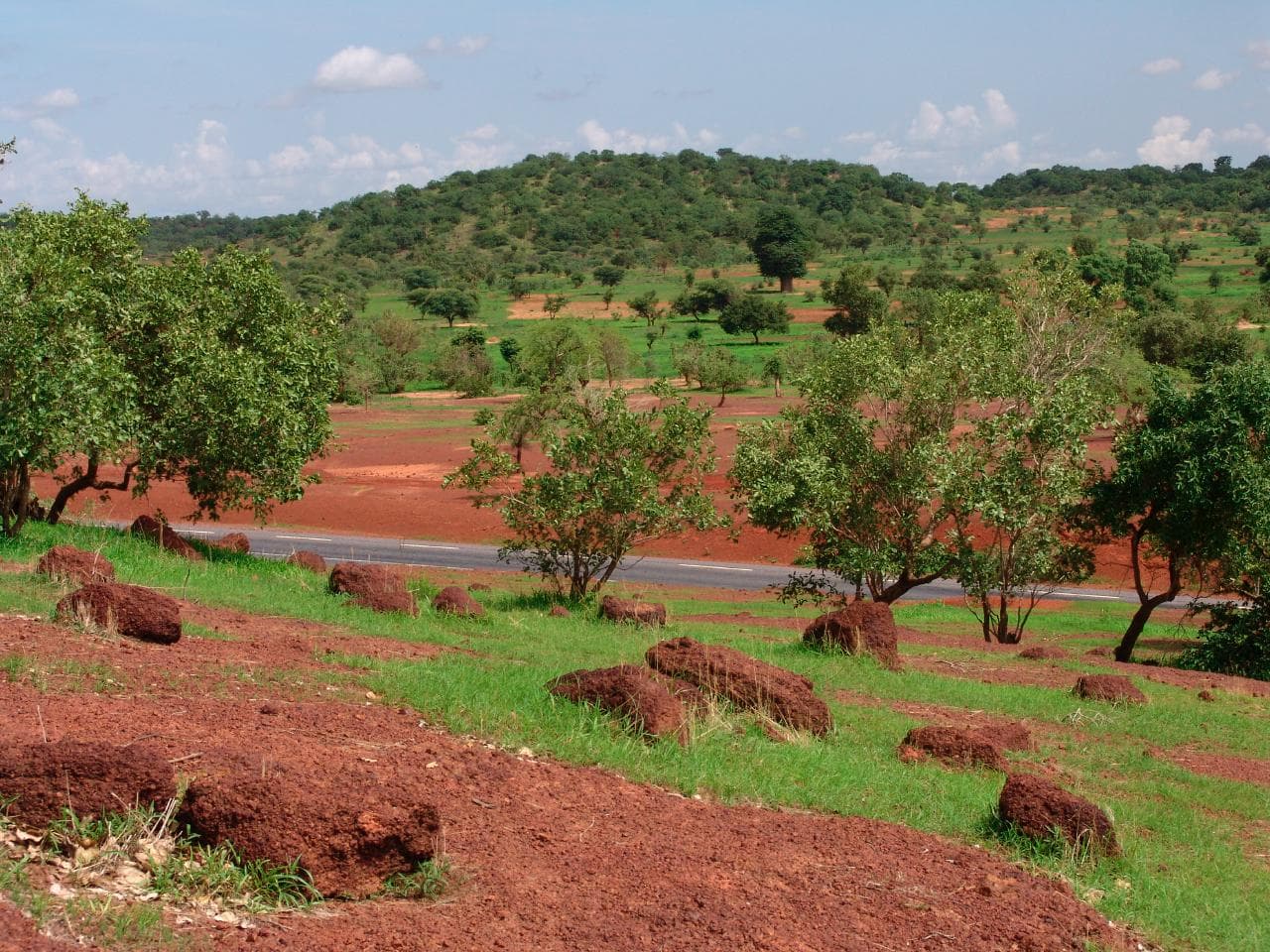
Photo: Sahel woodland near Kayes in western Mali, the region that hosts the Fekola gold mine. NOAA, US Gov, Unidentified, Wikimedia Commons, Public domain.
Was this useful?
More from MiningWrap


The whole sector in one weekly read.
Deals, policy and markets — every Thursday.
Discussion
Loading comments…