Barrick and Mali agree deal to end Loulo-Gounkoto dispute
Operational control returns to Barrick, charges are dropped, and the Loulo permit is set for a ten-year renewal
Barrick said on Monday it had entered into an agreement with Mali's government to end its long-running dispute over the Loulo-Gounkoto gold complex, in the clearest sign yet that the near two-year standoff is drawing to a close.
Under the deal, Loulo-Gounkoto will be taken out of provisional administration and operational control returned to Barrick. All charges brought against Barrick, its subsidiaries and its employees by the Malian government will be dropped, and legal steps will be taken to secure the release of any employees still detained. “As a result of the settlement, Barrick's subsidiaries will withdraw the arbitration claims currently pending before the International Centre for Settlement of Investment Disputes,” the company said, adding that the agreement would “pave the way for a constructive path forward.”
Barrick accepts the mining code it once resisted
In return, Barrick has agreed to accept Mali's 2023 mining code, which it had previously resisted, and will pay a settlement to the government, Bloomberg News reported, citing people familiar with the matter. The Loulo mining permit, which had been due to expire in February 2026, will be renewed for a further decade under the deal, according to the newswire.
The dispute dates back almost two years to the implementation of Mali's revised mining code, which gave the state a bigger share of gold-mining revenue. During the standoff, Mali seized three tonnes of gold from Loulo-Gounkoto and installed a provisional administrator to run the complex, forcing Barrick to write off $1bn in mine revenue and contributing to the departure of former chief executive Mark Bristow.
What it means
News of the settlement lifted Barrick shares more than 6% on the Toronto Stock Exchange, reflecting relief among investors that one of the company's most valuable but troubled assets is returning to its books. Loulo-Gounkoto produced 723,000 ounces of gold last year and remains one of Barrick's most important mines, so restoring full operational control removes a significant source of uncertainty around the group's production guidance and cash flow.
For Mali, the settlement secures a permit renewal that keeps its largest gold producer operating and paying royalties and taxes under the new code, rather than risking a drawn-out legal fight that could have deterred other investors.
What's next
Implementation will be the real test: Barrick must resume normal operations at Loulo-Gounkoto, the government must formally drop its charges and free any detained staff, and the arbitration claims before the World Bank's dispute body must be withdrawn. Barrick has said it expects the ten-year permit renewal to be finalised in the new year.
Sources
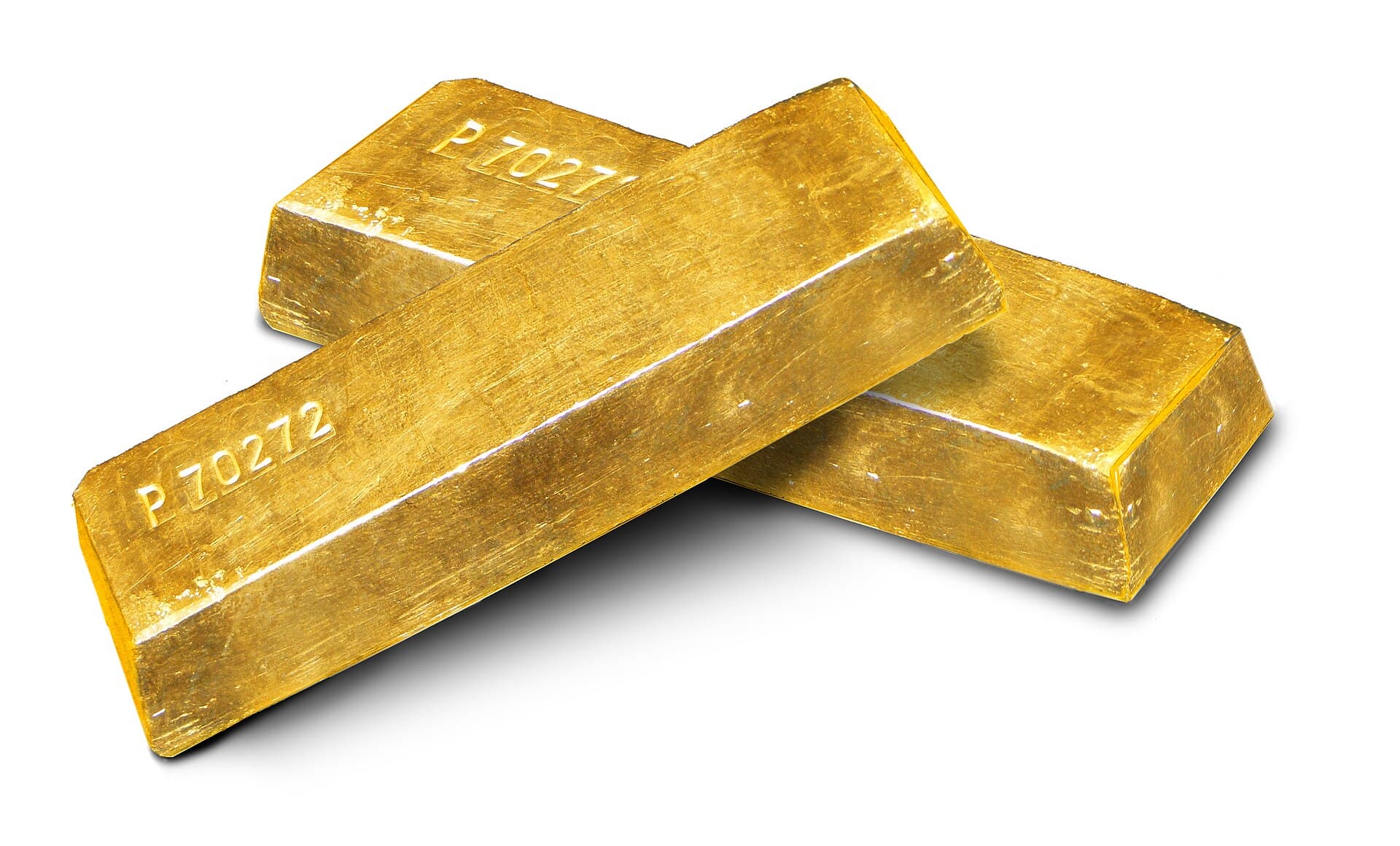
Photo: Gold ingots, illustrative of the bullion at the centre of the Barrick-Mali gold mine dispute. Szaaman, Wikimedia Commons, Public domain.
Was this useful?
More from MiningWrap

The whole sector in one weekly read.
Deals, policy and markets — every Thursday.
Discussion
Loading comments…