
Kenya Issues New Guidelines for Artisanal Mining and Environmental Oversight
Kenya has introduced new guidelines for artisanal mining committees and environmental assessments, targeting a sector that supports more than 800,000 livelihoods. The reforms also form part of the government's preparations for a national mining summit scheduled for March 2027.
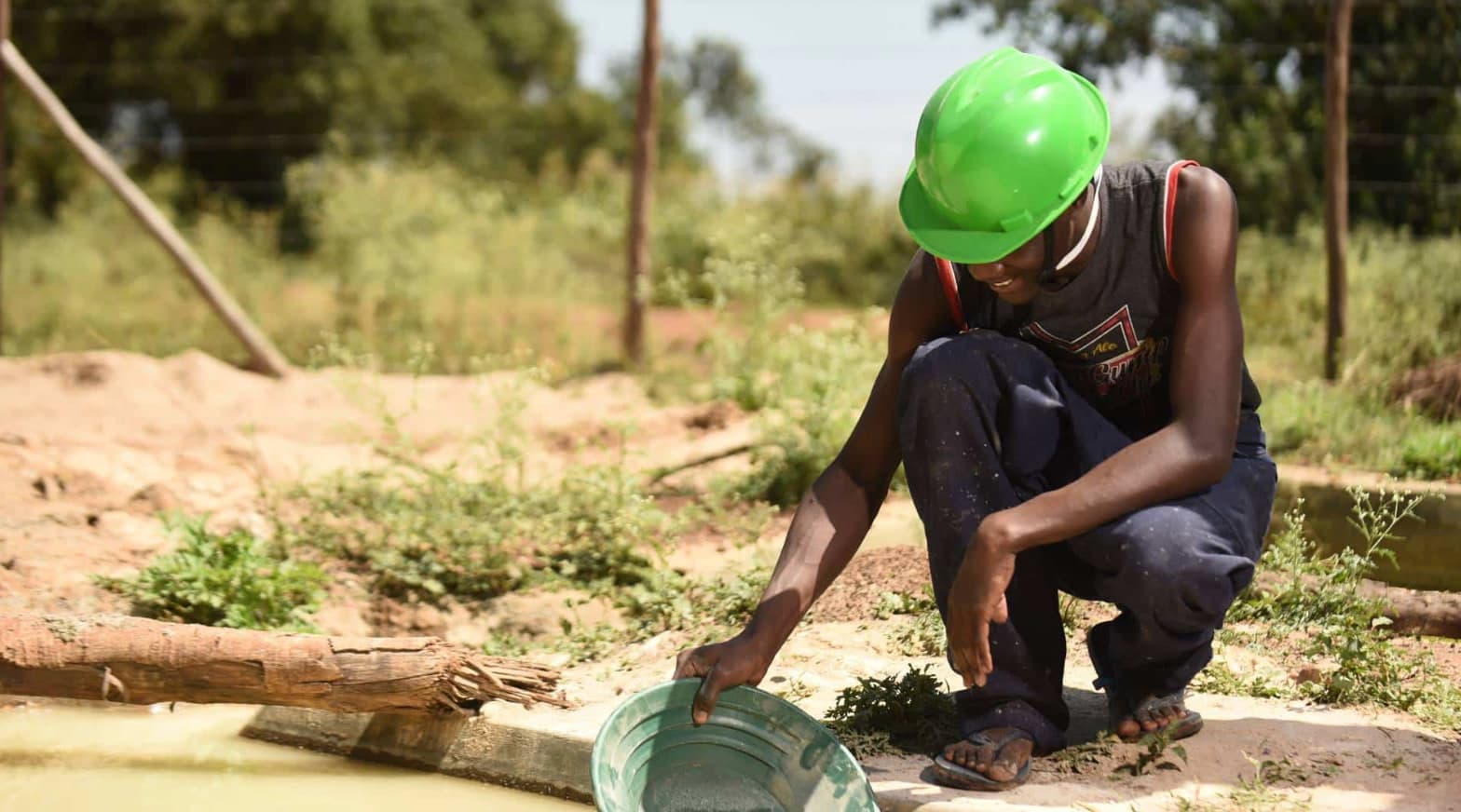
Kenya has introduced new guidelines to strengthen the management of artisanal and small-scale mining, improve environmental assessments and increase community participation in the sector.
The government launched the Artisanal Mining Committee Manual and the Environmental and Social Impact Assessment Guidelines for the Mining Sector during the 2026 Annual Mining Policy Brief and Stakeholders Forum in Nairobi on 10 November.
Developed under the Environmental Governance Programme (EGP), the documents provide practical guidance for mining committees, regulators and operators. The reforms target a sector that supports more than 800,000 livelihoods in Kenya, according to the United Nations Development Programme.
The Artisanal Mining Committee Manual focuses on strengthening grassroots governance, accountability and coordination between miners, communities and government institutions. It is also intended to improve dispute resolution, workplace safety and the organisation of small-scale operators.
The ESIA Guidelines provide a framework for identifying, assessing and managing environmental and social risks associated with mining activities. They cover public participation, environmental management plans, worker safety, human rights considerations, monitoring and mine rehabilitation.
Government Targets Formalisation of Small Scale Mining
Kenya's artisanal and small scale mining sector remains an important source of rural employment and income, particularly in gold and gemstone-producing areas. However, informal operations, unsafe working conditions, limited access to finance and environmental degradation continue to affect the sector.
Mining Cabinet Secretary Hassan Ali Joho said the guidelines would support the government's efforts to formalise small scale mining and improve the participation of artisanal operators in mineral value chains.
The government has also set an ambition to increase mining's contribution to gross domestic product from less than 1% to as much as 10% by 2030. Joho said achieving this target would require stronger regulation and more responsible mining practices.
The UNDP, working with the National Environment Management Authority (NEMA), the State Department for Mining and county governments, has supported efforts to strengthen artisanal mining committees, introduce participatory environmental monitoring and improve occupational health assessments.
Implementation Remains the Key Test
The guidelines form part of wider efforts to improve coordination between national and county governments and reduce institutional bottlenecks in mining regulation.
Principal Secretary for Mining Harry Kimtai said the government was working towards a more coordinated approach to sector policy and regulation, with discussions expected to feed into a national mining summit planned for March 2027.
The government also plans to support implementation through training for regional mining committees, county level dissemination and capacity building for regulators and miners.
Was this useful?
More from MiningWrap

Epiroc Launches Drill Bit Recycling Programme
The whole sector in one weekly read.
Deals, policy and markets — every Thursday.
Discussion
Loading comments…